
The midsize sedan segment in India continues to face pressure from the rising popularity of SUVs. Despite this shift, the Hyundai Verna has managed to retain relevance by adapting to changing consumer expectations. The 2026 iteration reflects this approach clearly.
Instead of relying on legacy appeal, Hyundai has repositioned the Verna as a modern, technology-oriented sedan aimed at younger buyers, particularly those who prioritize connectivity, design, and everyday usability.
This updated model does not attempt to replicate SUV characteristics. Rather, it builds on the traditional strengths of a sedan while integrating features that align with contemporary lifestyles.
Design
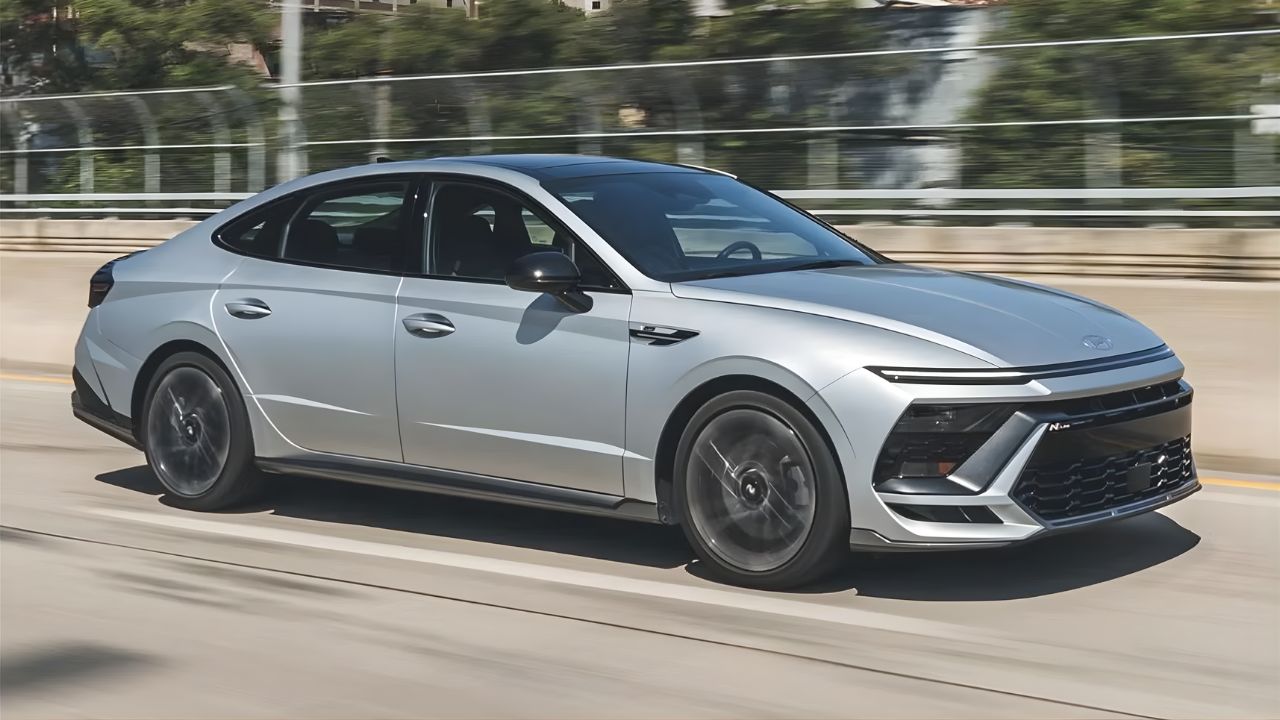
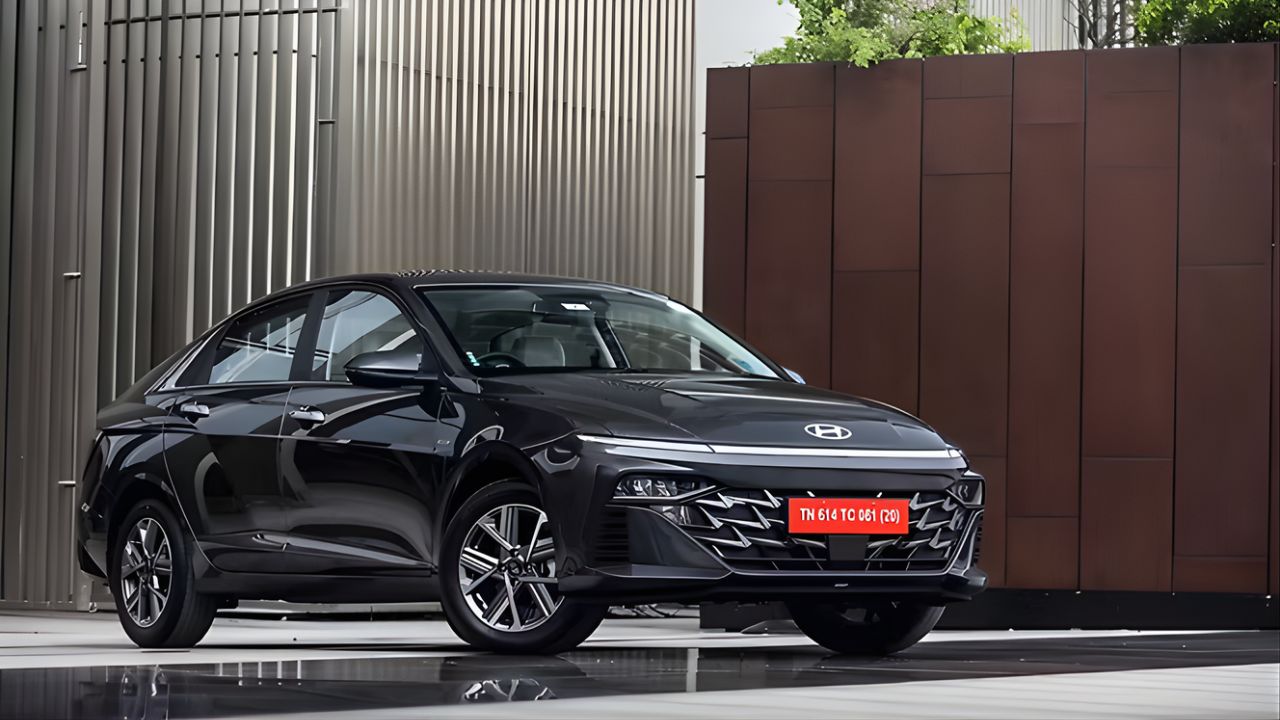
The exterior design of the 2026 Verna reflects a sharper and more assertive visual identity. The front fascia is defined by a black chrome radiator grille, flanked by dual LED projector headlamps. The redesigned bumper adds width and a more planted stance.

From the side, the car retains its streamlined silhouette. The addition of 16-inch diamond-cut alloy wheels contributes to a slightly sportier appearance without altering its overall character.
New colour options, including Classy Blue and Titan Grey Matte, provide additional choices for buyers seeking subtle differentiation.
The design changes are measured rather than dramatic, ensuring that the car remains visually distinct while maintaining broad appeal.
Space
Dimensions continue to play an important role in the Verna’s positioning within the segment. The car measures 4,565 mm in length and has a wheelbase of 2,670 mm, allowing for a spacious cabin layout.
A brief overview is provided below:
| Feature | Measurement |
|---|---|
| Length | 4,565 mm |
| Wheelbase | 2,670 mm |
| Width | 1,765 mm |
The Verna is among the widest in its class, which translates into improved shoulder room for occupants. Rear seat comfort remains a key strength, making the vehicle suitable for both daily commuting and longer journeys.
Interior
The cabin has been revised with a focus on practicality and modern design. Materials such as leatherette upholstery contribute to a more refined environment, while the D-cut steering wheel adds a mild sporting element.
The driver’s seat offers eight-way electrical adjustment with memory function, a feature not commonly found in this segment.
A welcome retract function enhances ease of entry and exit. The front passenger seat includes four-way electrical adjustment along with a walk-in function to facilitate rear seat access.
Additional features such as rear AC vents, Type-C charging ports, adjustable headrests, a sliding front armrest with storage, and a rear centre armrest with cupholders improve overall comfort and usability. A rear window sunshade also contributes to maintaining cabin temperature in warmer conditions.
Tech
Technology integration is one of the defining aspects of the 2026 Verna. The dashboard is anchored by dual 10.25-inch displays that combine the infotainment system and instrument cluster into a single, cohesive interface.
Hyundai’s Bluelink platform supports more than 70 connected features. It enables remote vehicle operations, location tracking, and remote lighting control while also supporting over 350 voice commands across multiple languages.
The car also includes wireless Android Auto and Apple CarPlay, a wireless smartphone charging system, ventilated front seats, and a Bose eight-speaker audio system that enhances in-cabin entertainment.
A switchable control interface allows users to move between infotainment and climate functions using the same panel. This layout reduces visual clutter while maintaining ease of use.
Engine
The Verna continues to offer two petrol engine options, catering to varied driving requirements.
| Engine Type | Power | Torque | Transmission Options |
|---|---|---|---|
| 1.5L MPi Petrol | 115 PS | 144 Nm | Manual / IVT |
| 1.5L Turbo GDi | 160 PS | 253 Nm | Manual / DCT |
The naturally aspirated engine is tuned for efficiency and smooth performance, making it suitable for routine commuting.
The turbocharged engine delivers stronger performance and remains among the more powerful options in this category. Buyers can choose between manual and automatic transmissions depending on preference.
Drive
On the road, the Verna maintains a balanced driving character. The suspension setup is designed to handle varied road conditions, including uneven city roads and highway surfaces, without excessive firmness.
The steering remains light at lower speeds, which helps during urban manoeuvring, while gaining weight at higher speeds to provide improved stability. This ensures that the car remains manageable in traffic and composed on open roads.
Cabin insulation is effective, with controlled levels of road and wind noise. The petrol engines operate smoothly, contributing to a refined driving experience over longer distances.
Safety
Safety features have been expanded significantly in the 2026 Verna. The model includes more than 75 safety elements, along with Hyundai SmartSense Level 2 advanced driver assistance systems.
The vehicle is equipped with seven airbags, including a centre side airbag, along with systems such as blind spot monitoring and a surround view monitor.
Additional features include electronic stability control, tyre pressure monitoring, rain-sensing wipers, and an electronic parking brake with auto hold.
These elements contribute to a comprehensive safety package that aligns with current expectations in the segment.
Appeal
The 2026 Hyundai Verna is positioned as a sedan that aligns with current expectations rather than relying on traditional formulas.
It integrates design updates, modern technology, and practical features in a manner that reflects the preferences of a younger and more digitally inclined customer base.
At the same time, it retains the fundamental advantages of a sedan, including ride comfort, interior space, and efficiency. This balance allows it to remain relevant even as market trends continue to evolve.
The Verna does not attempt to compete directly with SUVs in form or function. Instead, it offers an alternative that emphasizes refinement, connectivity, and ease of use.
For buyers considering a midsize sedan in India, it presents a well-rounded option that reflects current automotive priorities without departing from its core strengths.
FAQs
Is the 2026 Verna suitable for daily driving?
Yes, it offers comfort and efficiency for daily use.
Does the Verna include ADAS features?
Yes, it comes with Level 2 ADAS systems.
Which engine offers better performance?
The 1.5L turbo petrol engine is more powerful.
Is the cabin spacious?
Yes, it is among the widest in its segment.
Does it support wireless connectivity?
Yes, it supports Android Auto and Apple CarPlay.