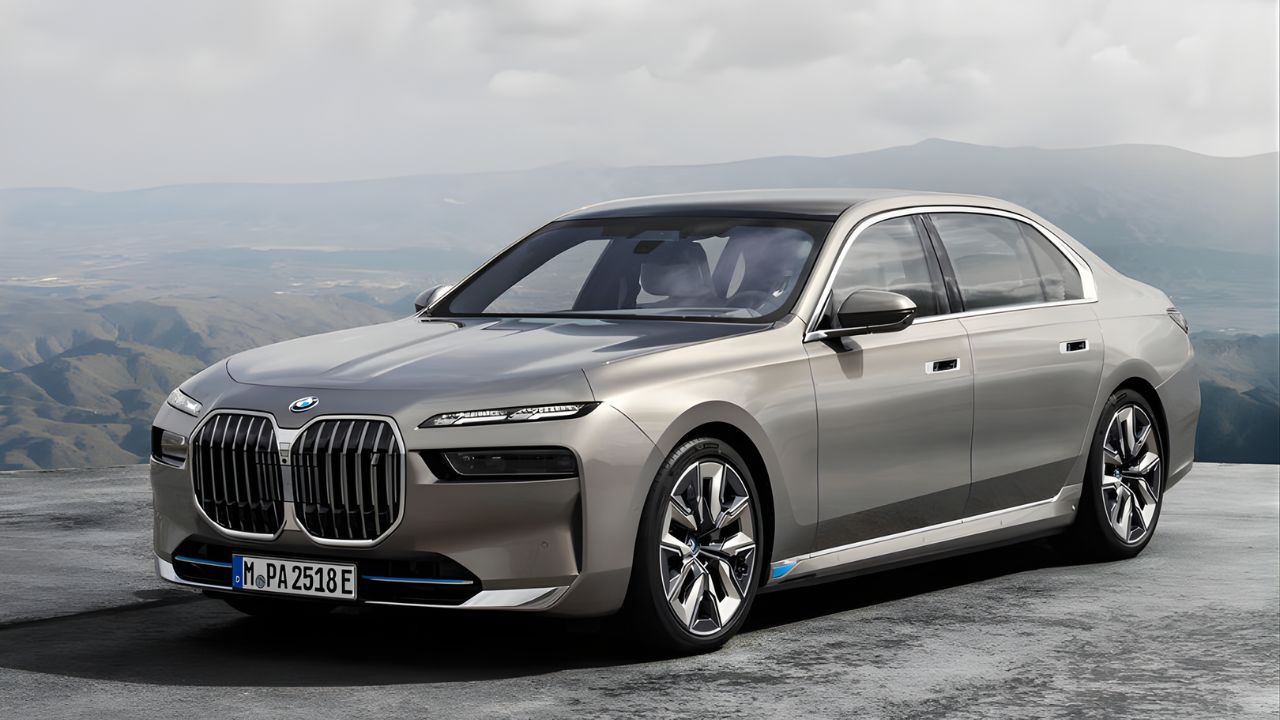


Volkswagen India is gearing up for an exciting year in 2026 with multiple launches planned, but one of the most anticipated models is the Volkswagen Virtus facelift. Slated to hit showrooms before Diwali, this refreshed sedan aims to combine sharp design, advanced safety features, and improved comfort.
If you’re eyeing a premium sedan this year, here’s everything you should know about the updated Virtus.
Design
The 2026 Virtus facelift sticks to its tried-and-tested sedan silhouette, but with subtle cosmetic upgrades. Volkswagen has wisely chosen not to mess with the winning proportions of the Virtus—instead, they’ve polished up the details.
Up front, expect a new front grille design and sharper LED headlamps, giving the face a more aggressive and premium vibe. The reworked front and rear bumpers will help the car look fresher while maintaining its elegant character. The rear will likely feature updated LED tail-lamps with a new light signature to distinguish it from the outgoing version.

To complete the visual makeover, Volkswagen is expected to introduce new alloy wheels—possibly with a dual-tone or machined finish. These design tweaks won’t radically transform the Virtus, but they’ll definitely add to its contemporary appeal.
Cabin
Step inside, and you’ll find an interior that feels more refined than before. The overall layout will remain similar, but the facelifted Virtus is expected to benefit from new colour schemes and improved materials—soft-touch elements, better textures, and a more premium ambiance.
The existing 10.1-inch touchscreen infotainment system and digital driver’s display are likely to continue but may receive software improvements for smoother operation.
Features like ventilated front seats, which have already been a hit with buyers, will likely remain standard on higher variants. Additionally, electrically adjustable front seats might be introduced for added convenience in top trims.

These interior tweaks are subtle yet effective—Volkswagen’s focus is clearly on improving the tactile and visual quality of the cabin rather than reinventing it.
ADAS
Here’s where the Virtus facelift truly levels up—Volkswagen is expected to introduce Level 2 ADAS (Advanced Driver Assistance Systems), making the sedan significantly safer and smarter.
Expected ADAS features include:
- Adaptive Cruise Control
- Lane Keep Assist
- Autonomous Emergency Braking
- Driver Attention Alert
These features are already making their way into mid-size sedans in India, and the Virtus stepping into this space shows VW’s commitment to safety innovation. Additionally, a 360-degree surround-view camera is likely to be offered, especially useful for urban driving and tight parking situations.

Six airbags will remain standard across the range, continuing Volkswagen’s strong focus on occupant protection.
Sunroof
If there’s one feature Indian buyers keep asking for, it’s a panoramic sunroof. The current Virtus offers a single-pane sunroof, which feels a bit dated compared to rivals. Fortunately, the 2026 facelift might address this with the introduction of a panoramic glass roof.
This update could significantly elevate the cabin experience, offering a sense of openness and luxury. Whether you’re stuck in city traffic or cruising on the highway, a panoramic sunroof is a small touch that makes a big difference.
Engines
Mechanically, Volkswagen is sticking to its strengths. The 1.0-litre TSI and 1.5-litre TSI petrol engines will remain unchanged in terms of output. That means:
- 1.0L TSI – ~115 PS
- 1.5L TSI – ~150 PS
But there’s a small yet important change coming to the 1.0L automatic variant—the existing 6-speed torque converter could be replaced with a new 8-speed automatic transmission. This means smoother gear shifts and potentially improved fuel efficiency.
The 1.5L engine will continue with the popular 6-speed manual and 7-speed DSG gearbox, which driving enthusiasts still prefer for its quick responses.
Here’s a quick summary:
| Engine Variant | Power Output | Transmission Options |
|---|---|---|
| 1.0L TSI | ~115 PS | 6-MT / 8-AT (New) |
| 1.5L TSI | ~150 PS | 6-MT / 7-DSG |
Rivals
With the upgrades in place, the Virtus facelift will go head-to-head with strong competitors like:
- Hyundai Verna
- Honda City
- Skoda Slavia
- Maruti Suzuki Ciaz
While the competition is stiff, the Virtus now packs more tech, better comfort, and standout safety features. ADAS, panoramic sunroof, and upgraded interiors give it a premium edge, while the proven engines ensure a fun driving experience.
Volkswagen hasn’t completely reinvented the Virtus—but it didn’t need to. Instead, the brand has improved what matters most to buyers in this segment.
With the 2026 facelift, the Virtus is more premium, safer, and smarter—all while staying true to its performance roots. If you’re considering a mid-size sedan, this could be the one to watch this festive season.
FAQs
When is the Virtus facelift launching?
It is expected to launch before Diwali 2026 in India.
Will Virtus get ADAS in 2026?
Yes, a Level 2 ADAS package is expected in the facelift.
Is a panoramic sunroof confirmed?
It’s likely, though not officially confirmed yet.
What engine options will be offered?
Same 1.0L and 1.5L TSI petrol engines as current model.
Will automatic gearbox be updated?
Yes, the 1.0L AT may get a new 8-speed torque converter.