
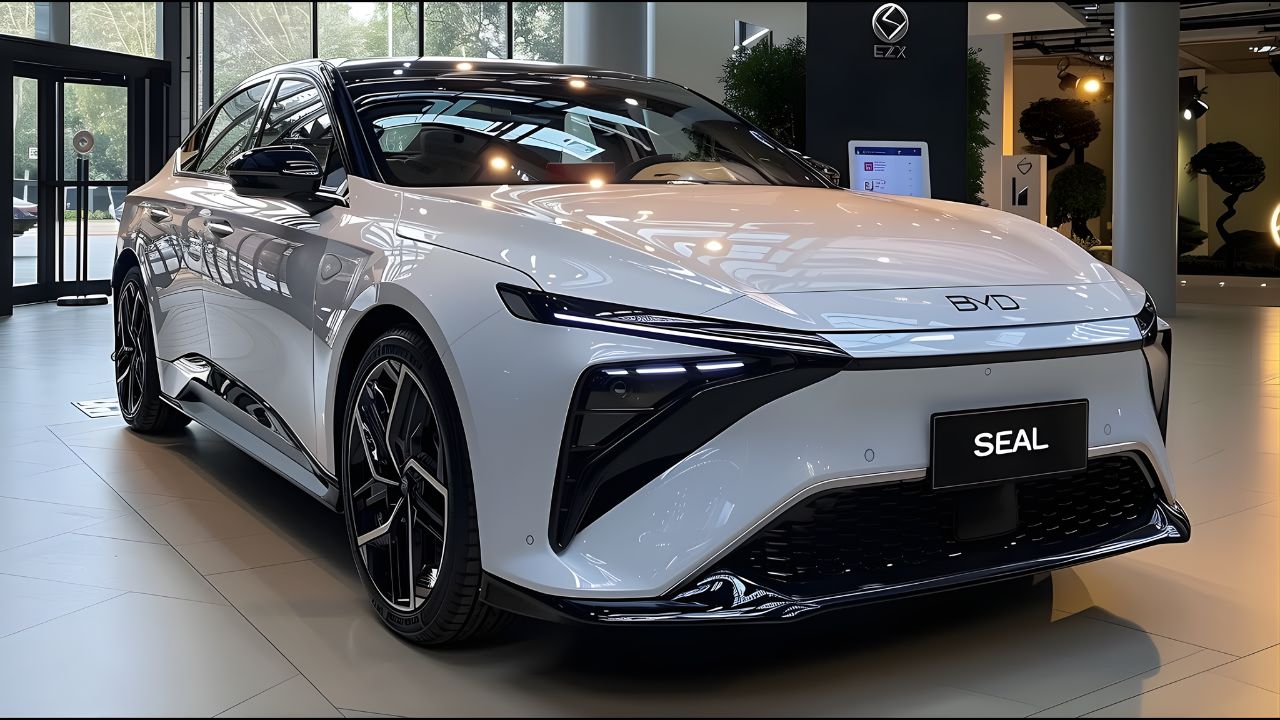
India’s electric vehicle journey is just picking up speed, but hiccups like these remind us that even top players can face technical bumps. BYD India has voluntarily recalled its Seal electric sedan due to a potential issue with its high-voltage Blade battery.
While it’s not a mass panic situation, it does raise questions around safety and quality control — especially when it comes to new energy vehicles in a growing market like India.
Let’s break down what’s really happening with the BYD Seal.
Recall
First things first — the recall is voluntary, which means BYD initiated it proactively. That’s a good thing. According to service centre technicians, the issue seems to stem from individual battery cells that may have been manufactured with faults. While the company hasn’t revealed how many cars are affected, this move is clearly aimed at prioritizing safety before anything goes wrong.
BYD India has reached out to Seal owners across the country, advising them to bring their cars to authorised service centres for a check-up. During the inspection, the vehicle undergoes an On-Board Diagnostics (OBD) scan to identify any potential battery cell issues.
Battery
Let’s talk about the tech in question — the Blade battery. This isn’t your standard lithium-ion setup. It’s BYD’s proprietary innovation built around Lithium Iron Phosphate (LFP) chemistry.
These batteries are known for their high thermal stability, long life, and most importantly, structural safety. BYD claims their Blade battery can withstand nail penetration, crash tests, and even fire.
But here’s the catch: even the best battery tech is vulnerable to flaws if there are inconsistencies during cell manufacturing. It’s not a systemic design failure — it’s most likely a quality control issue at the cell level. And since even one faulty cell can pose a risk, BYD isn’t taking any chances.
If a fault is detected during the diagnostics, the entire battery pack will be replaced for free.
Process
Worried about getting your car inspected? BYD’s made it pretty convenient.
Owners can simply book an appointment at any authorised BYD service centre. Once there, the staff will run the OBD scan and evaluate the battery pack. If any issue pops up, the team will proceed with a complete battery replacement — and yes, it’s fully covered by BYD.
But here’s what makes it better — for owners who can’t make it to a service centre, BYD has arranged pickup and drop-off services. That’s a thoughtful move, especially considering how new EV service infrastructure still is in many cities.
Most vehicles, the company claims, will be inspected and returned the same day, keeping downtime to a minimum.
Models
Worried if this affects your BYD car? Here’s some relief — this recall only affects the BYD Seal. Other models like the Atto 3 or the e6 MPV are not part of this exercise.
The BYD Seal was launched in India with two battery options and three variants. Here’s a quick look:
| Variant | Battery Size (kWh) | Range Type | Drive Type | Price (Ex-showroom) |
|---|---|---|---|---|
| Dynamic | 61.44 | Standard Range | RWD | ₹41 lakh |
| Premium | 82.56 | Extended Range | RWD | ₹45.55 lakh |
| Performance | 82.56 | Performance (AWD) | AWD | ₹53.15 lakh |
Regardless of which variant you drive, it’s best to get the check done. Safety first, right?
Safety
Here’s the bigger picture. As EVs become more mainstream, battery safety is coming under intense scrutiny. And rightly so — batteries are the heart of electric vehicles. One issue, and the whole car’s integrity is at stake.
BYD has a solid reputation globally for its Blade battery, and this recall doesn’t necessarily tarnish that. In fact, the voluntary nature of the move shows the brand is serious about customer safety and brand trust.
It’s a reminder to all carmakers in the EV space: top-tier innovation still requires top-tier quality control. And customers? They just want peace of mind when buying a ₹40–50 lakh electric car.
Outlook
To sum it up, BYD’s recall is more of a precaution than a panic. There haven’t been any reported accidents or incidents because of the battery. The company is just staying ahead of the curve — which, let’s be honest, is rare in the auto industry.
It’s a lesson for both manufacturers and consumers. For companies, early detection and honest communication go a long way. And for EV owners, regular diagnostics and timely servicing are essential.
If you drive a BYD Seal, now’s the time to book that service visit. With EVs becoming a big part of the future, these bumps in the road are part of the learning curve — for everyone involved.
FAQs
Why is BYD Seal recalled in India?
Due to possible cell faults in the Blade battery pack.
Is the BYD Seal battery replacement free?
Yes, the battery will be replaced free of charge if needed.
Does this recall affect other BYD cars?
No, only the Seal sedan is affected by this recall.
How do I check if my BYD Seal is affected?
Visit an authorised service centre for an OBD check.
What if I can’t visit the service centre?
BYD offers pick-up and drop-off services for affected cars.