
Speculation around the Maruti Suzuki Ignis potentially nearing discontinuation has surfaced once again, with several reports pointing in that direction. However, there has been no official confirmation from Maruti Suzuki.
The model continues to be listed on the company’s official website, indicating that it remains on sale for now, with a starting price of Rs 5.35 lakh, ex-showroom.
This uncertainty provides an opportunity to examine the Ignis’ journey in India, including its positioning, strengths, and the reasons behind its long market presence in a highly competitive segment.
Overview
The Maruti Suzuki Ignis was introduced in India in 2017. It entered the market as a replacement of sorts for the Ritz, though it followed a different approach in terms of design and positioning. Over time, it established itself as a unique offering within Maruti’s portfolio.
Unlike mainstream hatchbacks, the Ignis was designed to cater to a specific set of buyers looking for something unconventional. Its continued presence in the lineup reflects a strategy that goes beyond pure sales volume.
Positioning
The Ignis was never intended to compete directly with high-volume models like the Swift or Baleno. Sold through Maruti Suzuki’s Nexa retail network, it was positioned as a niche product aimed at urban buyers.
This limited positioning may have contributed to its longevity. Without the pressure to deliver high sales numbers, the Ignis was able to maintain a steady presence in the market. It effectively occupied a small but distinct space within the brand’s portfolio.
Design
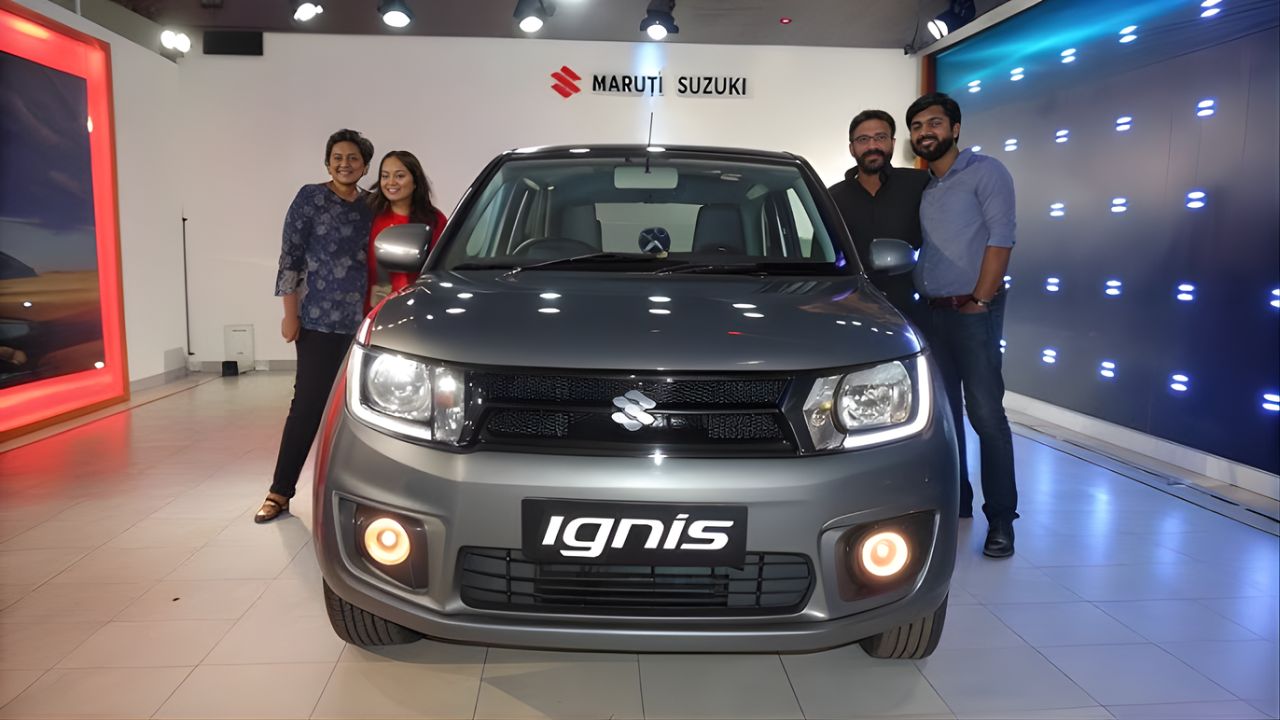
One of the defining characteristics of the Ignis has been its design. The car adopted a boxy and upright stance, combined with SUV-inspired styling elements. At a time when the term micro-SUV was not widely used, the Ignis already reflected many of those attributes.
It offered higher ground clearance than conventional hatchbacks and a distinctive visual identity. This design appealed to a segment of buyers seeking a compact yet unconventional vehicle for city use.
While global versions included all-wheel drive options, the Indian model remained front-wheel drive to maintain affordability.
Engine
The Ignis has consistently been powered by Maruti Suzuki’s 1.2-litre K-Series petrol engine. Known for its reliability and refinement, this engine has been a key factor in the model’s sustained relevance.
In its latest BS6 Phase-2 configuration, the engine produces 83 HP and 113 Nm of torque. Transmission options include a 5-speed manual and an AMT, providing flexibility for different driving preferences.
A brief specification overview is provided below:
| Specification | Details |
|---|---|
| Engine | 1.2-litre petrol |
| Power | 83 HP |
| Torque | 113 Nm |
| Transmission | Manual and AMT |
The engine’s smooth performance, combined with low maintenance requirements, has made the Ignis a practical choice for urban commuting.
Challenges
Despite its strengths, the Ignis has not achieved widespread popularity. One of the primary reasons is internal competition within Maruti Suzuki’s own lineup. Models such as the Swift and Baleno have consistently attracted a larger customer base due to their broader appeal.
The Ignis’ unconventional design has also been a limiting factor. While it appealed to some buyers, it did not resonate with the majority, restricting its overall market reach.
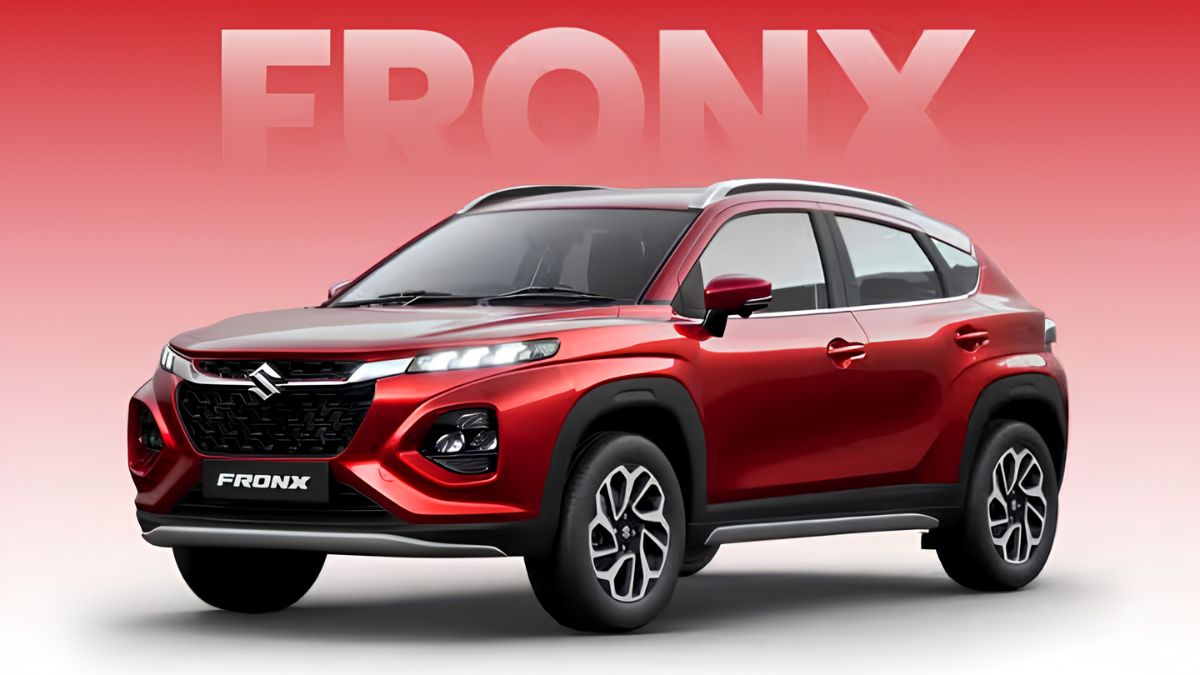
In recent years, the expansion of Maruti’s portfolio with models like the Fronx and other compact SUVs has further reduced the space available for the Ignis.
Discounts
Pricing flexibility has played an important role in keeping the Ignis relevant. The model has frequently been offered with discounts, improving its value proposition for budget-conscious buyers.
Currently, benefits include cash discounts of up to Rs 20,000 and exchange bonuses of up to Rs 15,000. Additional corporate and scrappage benefits may also be available, depending on eligibility.
These incentives have made the Ignis an attractive option for buyers seeking a reliable and compact vehicle at a competitive price point.
Outlook
Questions about the Ignis’ future are influenced by several factors, including stricter emission norms, evolving safety requirements, and changing consumer preferences. The increasing popularity of compact SUVs has also shifted demand away from niche hatchbacks.
However, without an official announcement from Maruti Suzuki, its discontinuation remains speculative. The model continues to be part of the company’s lineup and serves a specific purpose within its portfolio.
If and when the Ignis is eventually phased out, it is likely to be remembered for its distinct identity rather than its sales performance.
It demonstrated that even in a volume-driven market, there is space for products that prioritise character and differentiation.
FAQs
Is Ignis discontinued in India?
No, it is still on sale.
What is the Ignis price?
Starts at Rs 5.35 lakh.
Which engine does Ignis use?
1.2L petrol engine.
Why is Ignis not popular?
Due to niche design appeal.

Are discounts available?
Yes, up to Rs 20,000.