Apple is positioning artificial intelligence as a practical tool for everyday users rather than a technology built primarily for enthusiasts chasing superintelligence. The company believes AI should make its products more useful, personal and accessible instead of simply showcasing advanced capabilities.
Apple Senior Vice President of Worldwide Marketing Greg Joswiak discussed this approach in a recent interview with TIME, alongside Apple executive John Ternus. Joswiak also expressed confidence in Apple’s ability to compete with emerging AI hardware companies, including OpenAI, by combining its devices, software and services into a more integrated user experience.
The comments highlight Apple’s broader strategy as competition intensifies across the AI industry and technology companies explore new ways to bring AI into people’s daily lives.
Strategy
Apple’s AI philosophy focuses on solving everyday problems rather than catering exclusively to users who closely follow developments in artificial intelligence. While some companies emphasise increasingly powerful models and futuristic AI capabilities, Apple appears to be concentrating on how the technology can improve familiar tasks.
In the TIME interview with Andrew R. Chow, Joswiak reportedly said that dedicated AI enthusiasts are welcome to use Apple’s products, but they are not the company’s primary target audience.
“We love them, and they can use it too, but that’s not our target,” he said, according to the report. “It’s how to make it better for everyday people.”
This approach reflects Apple’s established product philosophy. The company typically presents technology through the experiences it enables, rather than expecting customers to understand the underlying technical systems.
For example, AI features can be useful when they help people organise information, write messages, find relevant content or complete tasks more efficiently. From Apple’s perspective, the technology becomes more valuable when it fits naturally into products people already use.
The strategy also helps Apple address consumers who may be interested in AI’s benefits without wanting to learn complicated tools or follow every new development in the industry.
Integration
Joswiak also expressed confidence in Apple’s ability to compete with companies pursuing AI-focused hardware. His remarks addressed the possibility of rivals such as OpenAI entering markets traditionally dominated by established consumer technology brands.
“We don’t feel threatened. The fact that we can do the integration that we can means we can create just a better experience than anybody else,” Joswiak reportedly said.
Integration is central to Apple’s competitive position. The company designs its hardware, operating systems and services to work together, allowing it to build features across products such as the iPhone, Mac, iPad and Apple Watch.
This approach could be particularly important as AI becomes more closely connected to personal devices. Instead of requiring users to purchase an entirely new category of hardware, Apple can introduce AI-powered experiences through products already familiar to its customers.
A well-integrated AI feature may also feel more convenient because it can operate within existing apps and workflows. Users may not need to switch between several services or learn a separate interface to benefit from it.
However, integration alone does not guarantee success. Apple’s ability to compete will also depend on the usefulness, reliability and availability of its AI features, as well as how effectively it addresses privacy and performance concerns.
Privacy
Privacy is another important part of Apple’s approach to artificial intelligence. The TIME report described the company’s vision as a more personalised and privacy-conscious form of AI designed to help ordinary people.
This positioning fits Apple’s longstanding emphasis on protecting personal information. AI systems can process sensitive details about users’ communications, schedules, interests and daily routines, making data handling a significant consideration when these tools become part of everyday life.
For consumers, the practical question is not simply whether an AI assistant can complete a task. It is also how the system processes personal information, where that information goes and what safeguards are in place.
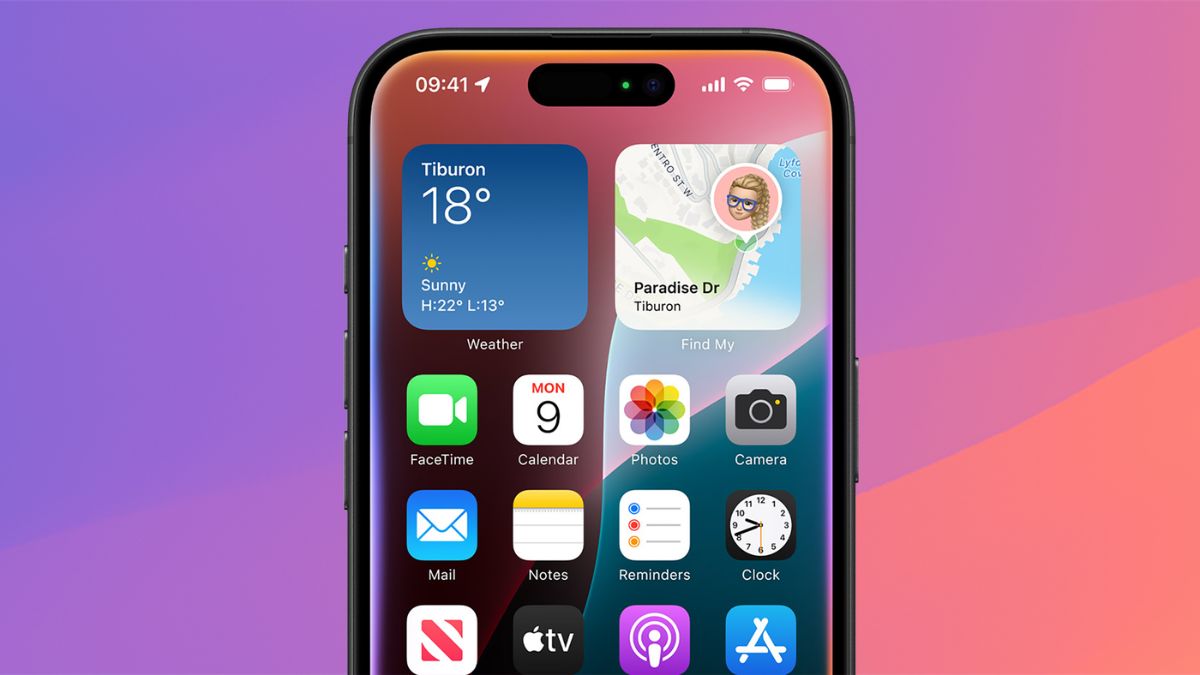
Apple has promoted privacy-focused approaches to AI, including its Apple Intelligence initiative. The company has described a combination of on-device processing and Private Cloud Compute for supported tasks, although the specific method depends on the feature and its requirements.
Maintaining user trust could help Apple differentiate its products in a crowded market. Still, privacy claims need to be evaluated alongside the actual capabilities and limitations of individual features.
Competition
Apple’s comments come amid growing competition between established technology companies and newer AI businesses. OpenAI, widely known for ChatGPT, has been exploring opportunities beyond software as the AI industry expands into consumer hardware.
The relationship between Apple and OpenAI has also faced legal tensions. According to the supplied report, Apple filed a lawsuit earlier in 2026 alleging that OpenAI conspired to misappropriate trade secrets to accelerate its hardware ambitions. OpenAI reportedly responded with a court filing accusing Apple of copying more than 100 confidential files relating to unreleased hardware products.
These are competing allegations, and they should not be treated as established findings unless confirmed by a court. The dispute nevertheless illustrates the commercial importance of AI hardware, product design and intellectual property as companies seek to establish positions in the next phase of the technology market.
The movement of experienced designers between major technology companies adds another dimension to this competition. Talent, industrial design and the ability to turn complex technology into accessible products may all influence which companies succeed.
Outlook
Apple’s focus on everyday users offers a different perspective from the race to develop increasingly advanced AI systems. Rather than presenting superintelligence as the central goal, Joswiak’s reported comments emphasise making AI useful, accessible and closely connected to the products consumers already own.
That strategy could play to Apple’s strengths if the company can deliver meaningful improvements without adding unnecessary complexity. Its established hardware ecosystem and emphasis on privacy may help it appeal to people who want practical benefits rather than experimental technology.
At the same time, competition from OpenAI and other AI developers means Apple will need to keep improving its products and demonstrating that its integrated approach offers real advantages. Ultimately, consumers are likely to judge these strategies by how well the technology works in daily life, not simply by how ambitious a company’s AI vision sounds.