
The Bajaj Pulsar 180 has been reintroduced in the Indian market after a gap of nearly three years. Priced at Rs 1.22 lakh (ex-showroom), the motorcycle marks the return of a well-known name in Bajaj Auto’s performance commuter lineup.
Discontinued in 2022, the Pulsar 180 has now been brought back with subtle updates while retaining its core mechanical identity.
The 2026 iteration focuses on design refinements and feature additions rather than a complete overhaul. Bajaj has chosen to preserve the characteristics that made the Pulsar 180 popular, while aligning it with current expectations in terms of lighting and instrumentation.
Overview
The Pulsar 180 has historically occupied a middle ground between entry-level commuters and more performance-oriented motorcycles. With its return, Bajaj aims to re-establish that balance, positioning the bike between the Pulsar 150 and the Pulsar 220F.

The reintroduction reflects continued demand for motorcycles that offer a mix of everyday usability and relatively stronger performance without moving into higher price brackets.
Engine
The motorcycle continues to be powered by the same 178.61cc single-cylinder, air and oil-cooled engine. This unit has been a key part of the Pulsar 180’s identity and remains unchanged in the latest version.
| Specification | Details |
|---|---|
| Engine | 178.61cc, single-cylinder |
| Cooling | Air and oil-cooled |
| Power | 16.77 bhp @ 8,500 rpm |
| Torque | 15 Nm @ 6,500 rpm |
The engine is known for its mid-range performance, which makes it suitable for both city commuting and occasional highway riding. The power delivery remains consistent with what earlier versions offered, focusing on usability rather than outright performance gains.
Design
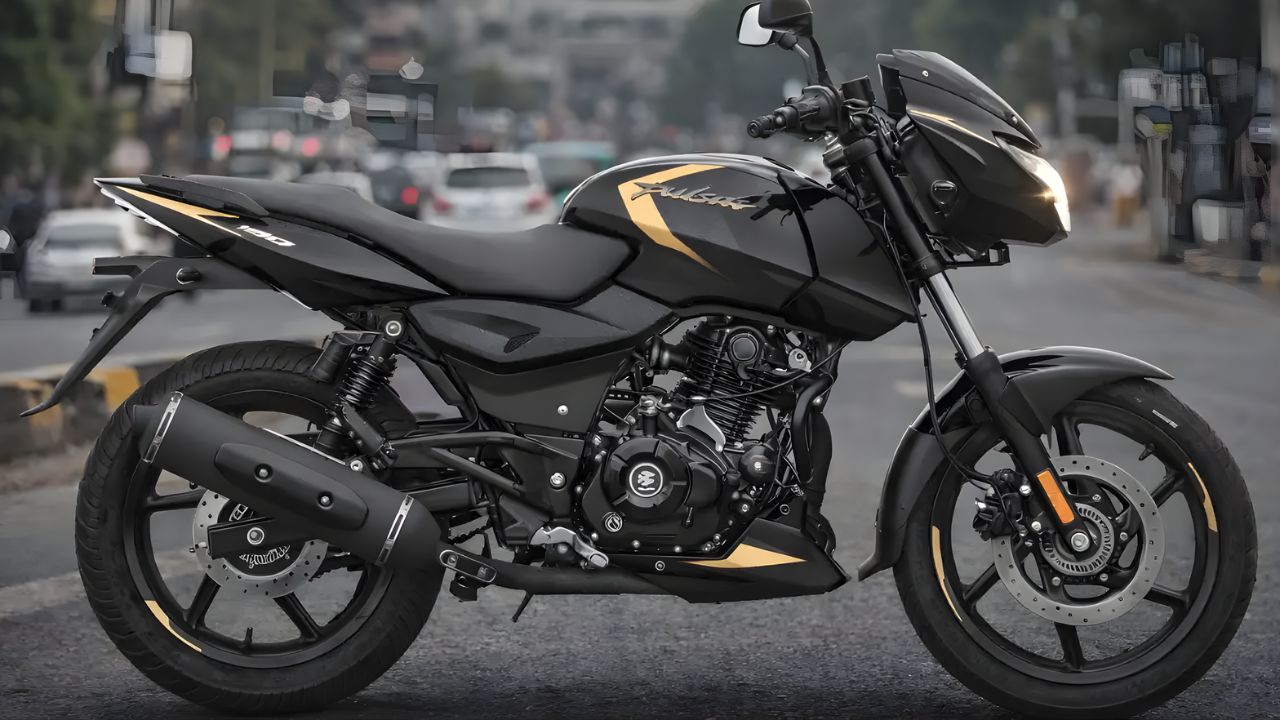
Bajaj has retained the familiar Pulsar design language. The muscular fuel tank, sharp extensions, and overall stance remain largely unchanged. This continuity helps maintain the model’s recognisable identity among long-time users.

At the same time, the 2026 model introduces subtle updates. The motorcycle now features a blacked-out theme across most components, complemented by contrasting graphics. These changes provide a slightly more modern appearance without altering the original design significantly.
Another addition is the carbon-fibre-style finish on the front mudguard. While primarily cosmetic, it adds a marginally sportier touch to the motorcycle’s front profile.
Lighting
One of the key updates on the new Pulsar 180 is the transition to LED lighting. The earlier halogen headlamp has been replaced with a new LED unit.
This change serves two purposes. First, it aligns the motorcycle with current segment standards. Second, it is expected to improve visibility during night riding, which can enhance overall usability.

In addition to the headlamp, the turn indicators have also been updated to LED units. This contributes to a cleaner and more contemporary look while maintaining functional efficiency.
Features
The Pulsar 180 now comes equipped with a fully digital LCD instrument cluster. This unit is similar to the ones seen on other Pulsar models, such as the Pulsar 150 and Pulsar 220F.
The display provides essential riding information in a clear format, improving readability compared to older analogue-digital setups. While the feature set remains straightforward, it reflects a shift towards more modern instrumentation within the segment.
Position
With its current pricing and feature set, the Pulsar 180 is positioned strategically within Bajaj’s lineup.
| Model | Approx Price (ex-showroom) | Positioning |
|---|---|---|
| Pulsar 150 | Lower | Entry-level commuter |
| Pulsar 180 | Rs 1.22 lakh | Mid-level performance commuter |
| Pulsar 220F | Higher | Higher performance segment |
This placement allows the Pulsar 180 to cater to riders who want more performance than a 150cc motorcycle but may not require or prefer the higher output of the 220F.
Context
The return of the Pulsar 180 also reflects a broader trend in the Indian two-wheeler market, where manufacturers are revisiting established models with incremental updates. Instead of introducing entirely new products, brands are leveraging existing platforms to meet current expectations.
For Bajaj, reintroducing the Pulsar 180 helps fill a gap in its portfolio while capitalising on the model’s legacy and brand recall.
At the same time, competition in this segment has evolved, with newer models offering additional features and updated platforms. The Pulsar 180’s approach remains relatively conservative, focusing on familiarity and proven performance.
In summary, the Bajaj Pulsar 180 returns as a familiar offering with measured updates. It retains its core strengths while incorporating essential modern features such as LED lighting and a digital display.
For buyers seeking a balanced motorcycle with an established track record, the Pulsar 180 continues to present a relevant option in the current market.
FAQs
What is the Pulsar 180 price?
Rs 1.22 lakh ex-showroom.
Is the engine new in the 2026 model?
No, same 178.61cc engine retained.
Does it get LED lights?
Yes, LED headlamp and indicators.
What display does it have?
Fully digital LCD cluster.
Where does it sit in the lineup?
Between Pulsar 150 and 220F.