
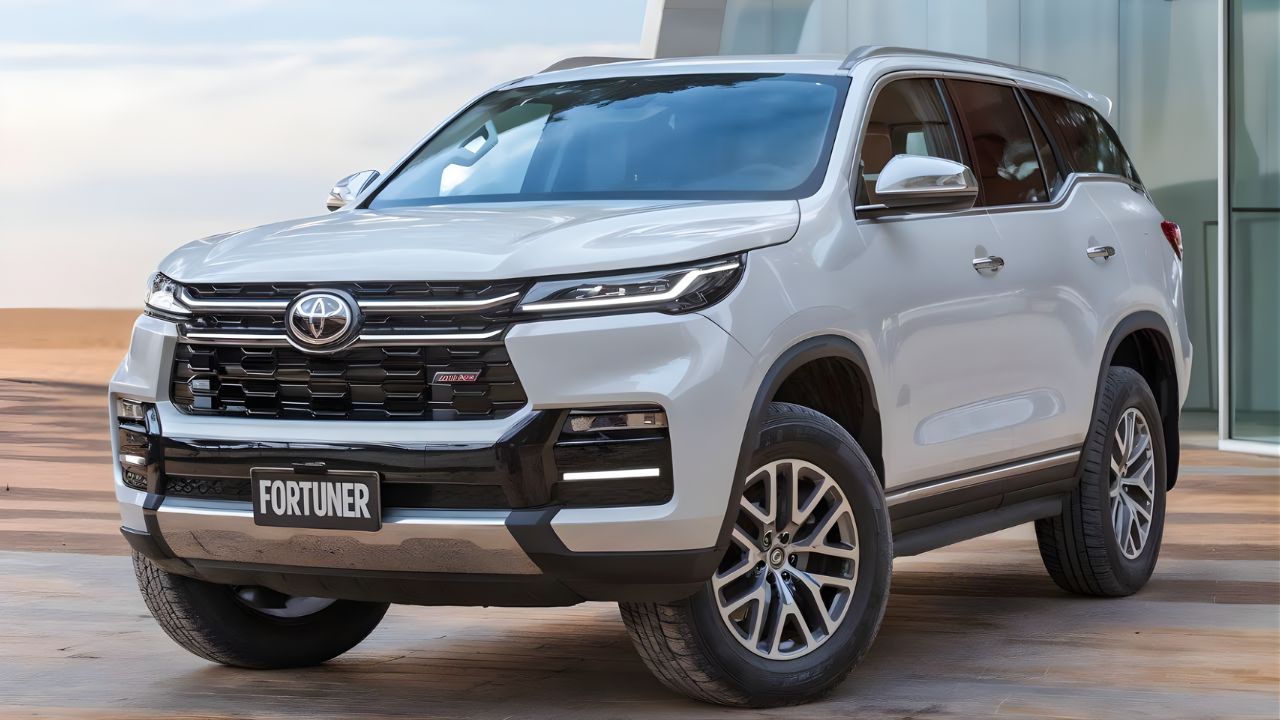
The Toyota Fortuner has maintained a strong position in the premium SUV segment for years, particularly in markets like India. Known for its durability, road presence, and off-road ability, the model has seen incremental updates over time. However, the upcoming generation marks a more comprehensive shift.
The next-gen Toyota Fortuner is expected to debut globally between late 2026 and early 2027, bringing updates across platform, technology, design, and comfort.
This transition reflects broader changes in the SUV segment, where buyers increasingly expect a balance of performance, safety, and in-cabin technology alongside traditional strengths.
Platform
A key change in the upcoming Fortuner is its move to Toyota’s TNGA-F ladder-frame platform. This architecture already supports models such as the Toyota Hilux and Land Cruiser in global markets.

The TNGA-F platform is designed to improve structural rigidity while reducing noise and vibrations. For users, this typically translates into better ride comfort on paved roads and improved stability in off-road conditions.
The ladder-frame construction remains, ensuring that the Fortuner retains its core strength and durability.
Below is a comparison of the current and expected platform characteristics:
| Feature | Current Fortuner | Next-Gen Fortuner |
|---|---|---|
| Platform | IMV Ladder Frame | TNGA-F Platform |
| Ride Comfort | Adequate | Improved |
| Off-road Capability | Strong | Enhanced |
| Structural Rigidity | Moderate | Higher |
This update indicates a shift toward a more refined driving experience without compromising the SUV’s established capabilities.

Tech
The next-generation Fortuner is also expected to receive a notable upgrade in technology and in-cabin features. Reports suggest the inclusion of dual 12.3-inch displays, with one serving as the infotainment system and the other as a digital instrument cluster.
Additional features may include connected car technology, over-the-air updates, and a 360-degree camera system. These additions align the Fortuner with current expectations in the premium SUV segment.




One of the more significant anticipated updates is the introduction of Advanced Driver Assistance Systems, or ADAS. This could include features such as adaptive cruise control, lane-keeping assist, and automatic emergency braking.
These systems are increasingly becoming standard in higher-end vehicles and are likely to improve both safety and convenience.
Design
In terms of exterior design, the next-gen Fortuner is expected to adopt a more contemporary look while retaining its recognizable proportions.
The front fascia may feature slimmer LED headlamps, a wider grille, and a revised bumper design. These changes are likely to give the SUV a more defined and modern appearance. Updated alloy wheel designs and sharper body lines could further enhance its visual stance.
At the rear, a full-width LED light bar connecting the tail lamps is expected. This design element is becoming common in newer SUVs and may contribute to a more cohesive rear profile.
Additional elements such as prominent Fortuner badging and revised cladding may reinforce its identity as a rugged SUV.
Overall, the design changes appear to focus on refinement rather than a complete departure from the current model.
Comfort
Interior updates are expected to focus on improving comfort and perceived quality. The next-gen Fortuner may include features such as a panoramic sunroof, upgraded seat materials, and improved cabin insulation.
The SUV is likely to retain its seven-seat configuration, but with enhancements in space utilization and passenger comfort. Improvements in second and third-row seating could address feedback from current users, particularly regarding long-distance travel.
Climate control systems may also see upgrades, along with better ergonomics and visibility. These changes aim to make the vehicle more suitable for both daily commuting and extended journeys.
Timeline
Development of the next-generation Fortuner appears to be at an advanced stage, with multiple test vehicles already observed in international markets.
The global debut is expected between late 2026 and early 2027. Following this, the model is likely to be introduced in key markets such as India within a short timeframe, given the vehicle’s strong demand and established customer base.
While exact launch dates and specifications may vary by region, the overall direction of the update is becoming clearer through ongoing reports and test sightings.
Positioning
The upcoming Fortuner will enter a segment that has become increasingly competitive, with several manufacturers offering feature-rich SUVs with advanced safety systems and modern interiors.
By incorporating a new platform, updated technology, and improved comfort, Toyota appears to be aligning the Fortuner with evolving market expectations. At the same time, maintaining its ladder-frame construction suggests that the company intends to preserve the model’s traditional strengths.
This balance between capability and modernization will likely play a key role in how the next-gen Fortuner is received across different markets.
The next-generation Toyota Fortuner represents a significant step forward for the model. With updates spanning performance, safety, design, and comfort, it reflects a broader shift in the premium SUV category.
While final specifications will only be confirmed closer to launch, current indications suggest a more refined and technologically equipped version of a well-established vehicle.
FAQs
When will the next-gen Fortuner launch?
Expected between late 2026 and early 2027.
What platform will it use?
It will use Toyota’s TNGA-F platform.
Will ADAS be available?
Yes, advanced safety features are expected.
Will the design change significantly?
It will be updated with a more modern design.
Is a sunroof expected in the new model?
A panoramic sunroof is likely to be offered.