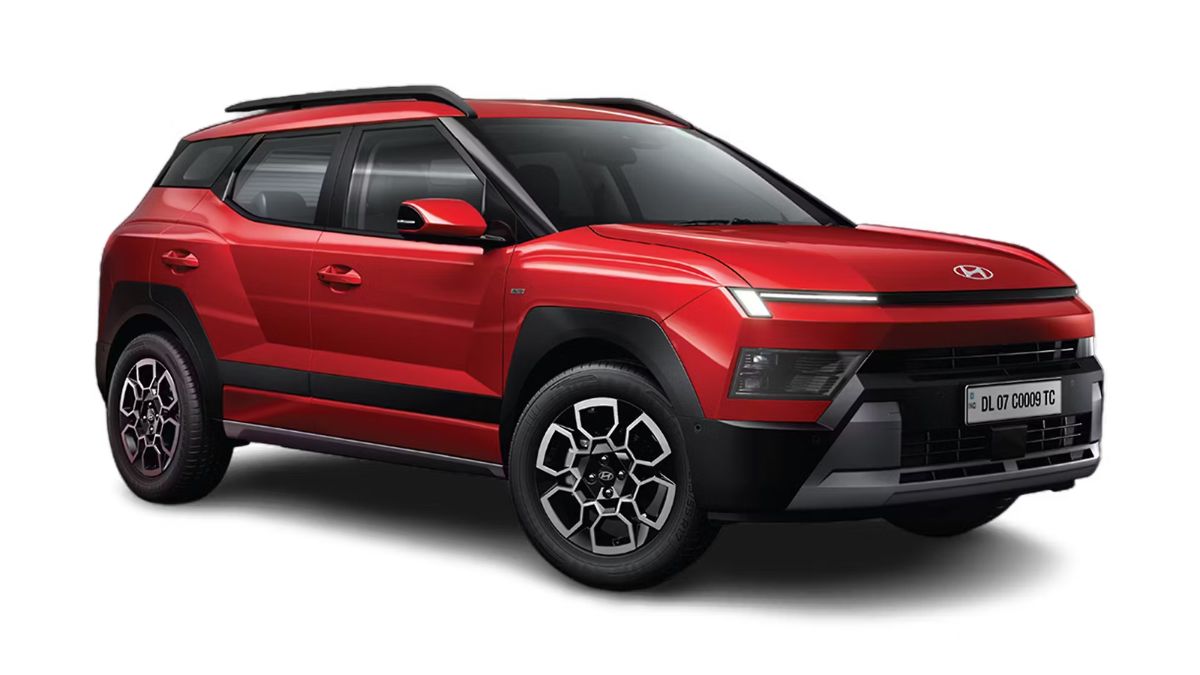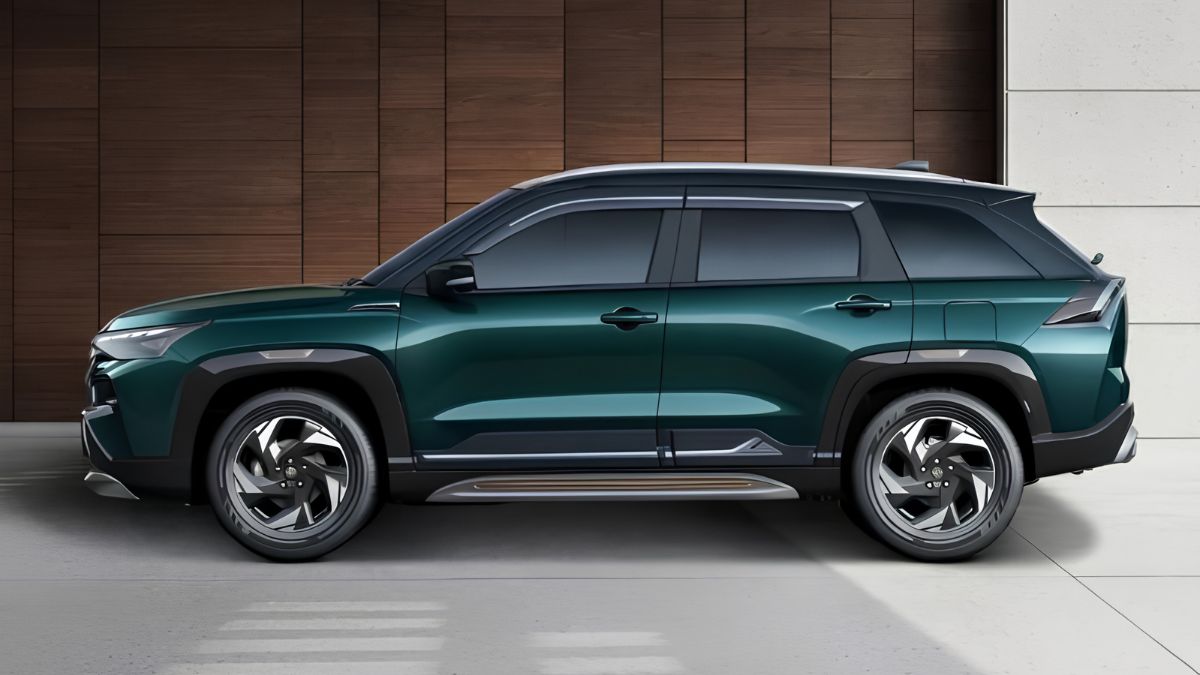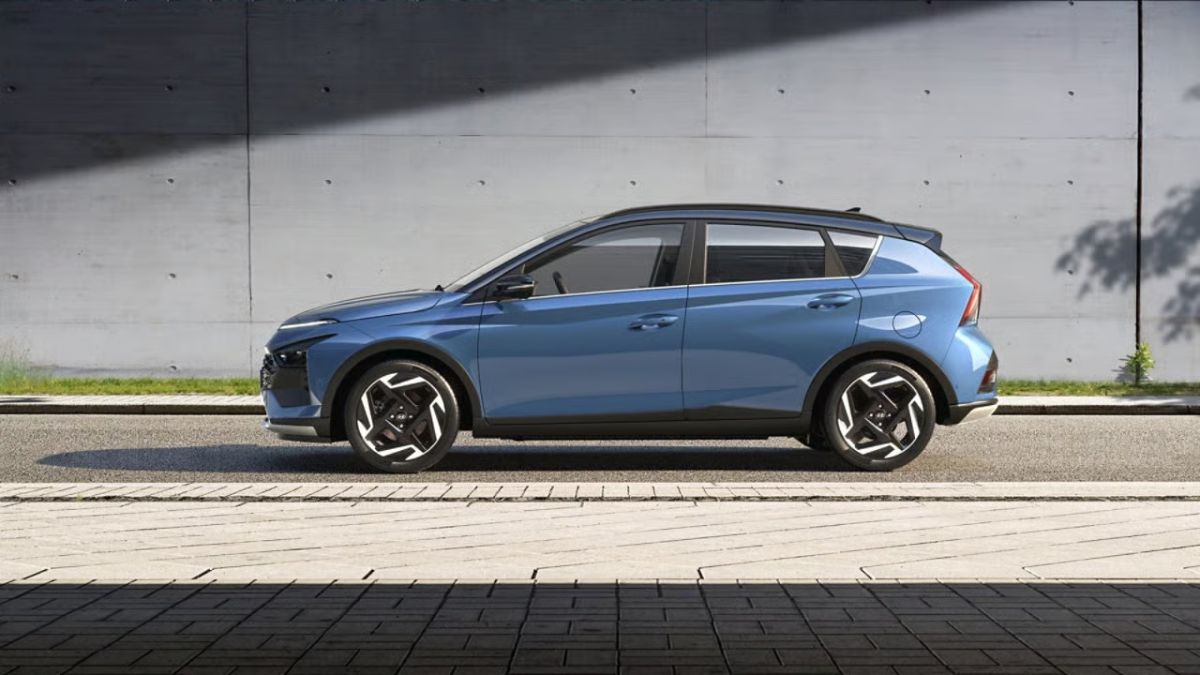
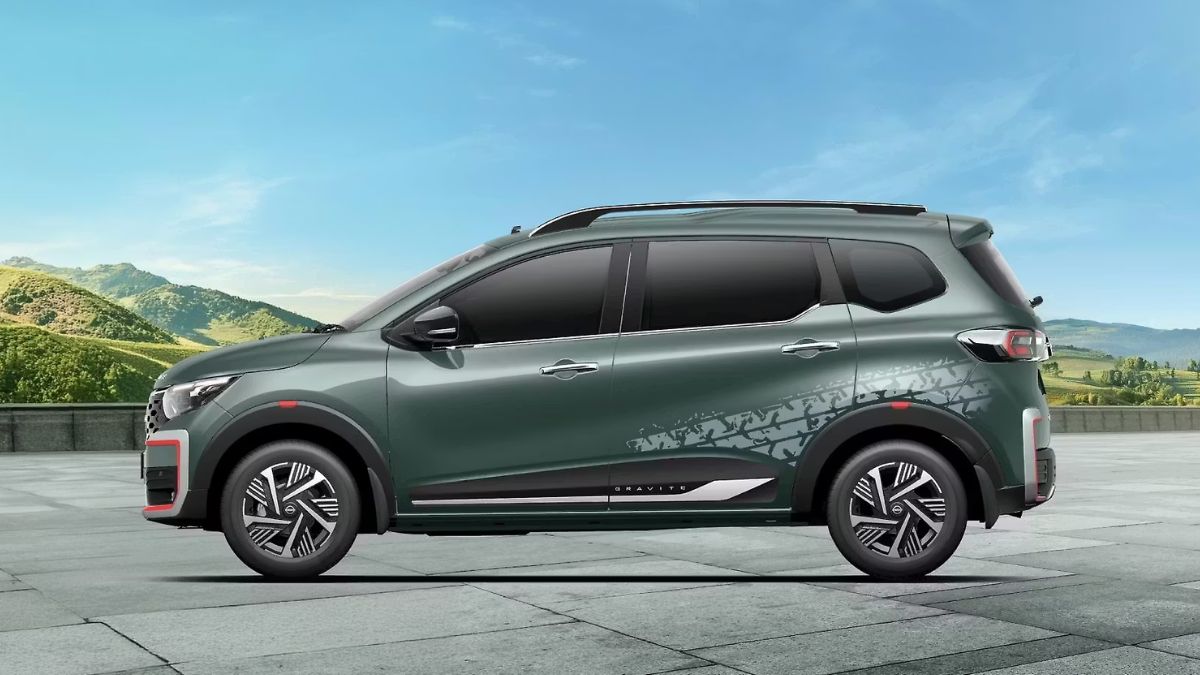
Nissan India has introduced a CNG option for the Gravite MPV, expanding its appeal in a market increasingly focused on cost-efficient mobility. Rather than a factory-fitted variant, the company is offering the CNG system as a dealer-level retrofit kit. This approach allows buyers to choose their preferred variant and then opt for CNG compatibility.
The development reflects a broader trend in India’s automotive sector, where rising fuel costs and environmental considerations are driving demand for alternative fuel solutions. The Gravite CNG aims to address this demand while maintaining the vehicle’s existing mechanical setup.
Launch
The CNG retrofit kit has been introduced at an additional cost of Rs. 83,000 over the selected variant. Availability begins from 4 May 2026 and will initially cover 60 cities across 16 states through Nissan’s authorised dealership network.
This phased rollout suggests a measured strategy, allowing Nissan to assess demand and operational feasibility before expanding availability further.
| Feature | Details |
|---|---|
| Launch Date | 4 May 2026 |
| Kit Price | Rs. 83,000 |
| Availability | 60 cities, 16 states |
| Installation | Dealer-level retrofit |
Engine
The introduction of the CNG kit does not alter the Gravite’s core powertrain. The vehicle continues to be powered by a 1.0-litre naturally aspirated petrol engine, which has been a consistent offering in the lineup.
Transmission options remain unchanged:
- 5-speed manual gearbox
- Automated manual transmission (AMT)
The dual-fuel setup enables the vehicle to run on both petrol and CNG, offering operational flexibility. This is particularly relevant in regions where CNG infrastructure may still be developing, ensuring that users are not entirely dependent on a single fuel source.
Design
A notable aspect of the Gravite CNG is its twin-cylinder configuration. The system includes two cylinders, each with a capacity of 25 litres (water equivalent). These cylinders are positioned vertically within the boot space.
This configuration differs from traditional single-cylinder layouts and is intended to improve weight distribution. However, it has a direct impact on storage capacity, as the placement occupies most of the luggage area.
Nissan has integrated the CNG filling point under the standard fuel lid. This design choice ensures a cleaner exterior appearance and aligns with factory-level finish standards, despite the retrofit nature of the installation.
Features
The CNG kit is designed to meet safety and usability expectations associated with manufacturer-supported installations. It includes several functional elements aimed at ensuring reliability and ease of use.
Key highlights include:
- Integrated fuel filling system
- Twin-cylinder setup for balanced load distribution
- Three-year or 1 lakh km warranty
- Installation through authorised dealerships
The warranty coverage is intended to provide assurance to buyers who may otherwise have concerns about aftermarket modifications.
Space
The placement of the twin cylinders significantly reduces available boot space. For users who regularly require luggage capacity, this may present a limitation.
In practical terms, the configuration prioritises fuel efficiency over storage convenience. This trade-off is common in retrofit CNG systems, particularly in vehicles not originally designed for integrated CNG layouts.
However, there are indications of future improvements. Renault, which shares platform elements with Nissan, is developing an underbody CNG tank system. Such a design could relocate the cylinders beneath the vehicle, thereby preserving cabin and boot space. While there is no official confirmation for the Gravite, the possibility remains relevant for future updates.
Market
The introduction of the Gravite CNG aligns with growing demand for alternative fuel vehicles in India. CNG continues to gain traction due to its relatively lower running costs and reduced emissions compared to conventional petrol.
| Fuel Type | Running Cost (Approx.) | Availability | Emissions |
|---|---|---|---|
| Petrol | Higher | Widely | Moderate |
| CNG | Lower | Expanding | Lower |
This positioning makes the Gravite CNG particularly relevant for urban users, fleet operators, and families seeking economical daily transportation.
At the same time, the retrofit model allows Nissan to enter the segment without significant changes to its manufacturing process, offering flexibility in both production and distribution.
Future
The current CNG setup can be seen as an interim solution. With advancements such as underbody tank integration under development, future iterations of the Gravite or related models may address the limitations associated with storage space.
Such improvements would enhance overall practicality, making CNG variants more viable for a wider range of use cases. For now, the existing configuration provides a balance between cost savings and functional compromise.
The Nissan Gravite CNG represents a practical step towards expanding fuel options within the MPV segment. While the retrofit approach and reduced boot space may influence buying decisions, the lower running costs and dual-fuel capability offer clear advantages for specific user groups. As infrastructure and technology continue to evolve, such offerings are likely to become more refined and widely adopted.
FAQs
What is the price of Gravite CNG kit?
It costs Rs. 83,000 extra.
Is Gravite CNG factory-fitted?
No, it is dealer-installed.
How many cylinders does it have?
It has two CNG cylinders.
Does it affect boot space?
Yes, boot space is minimal.

What engine does it use?
A 1.0L petrol engine.