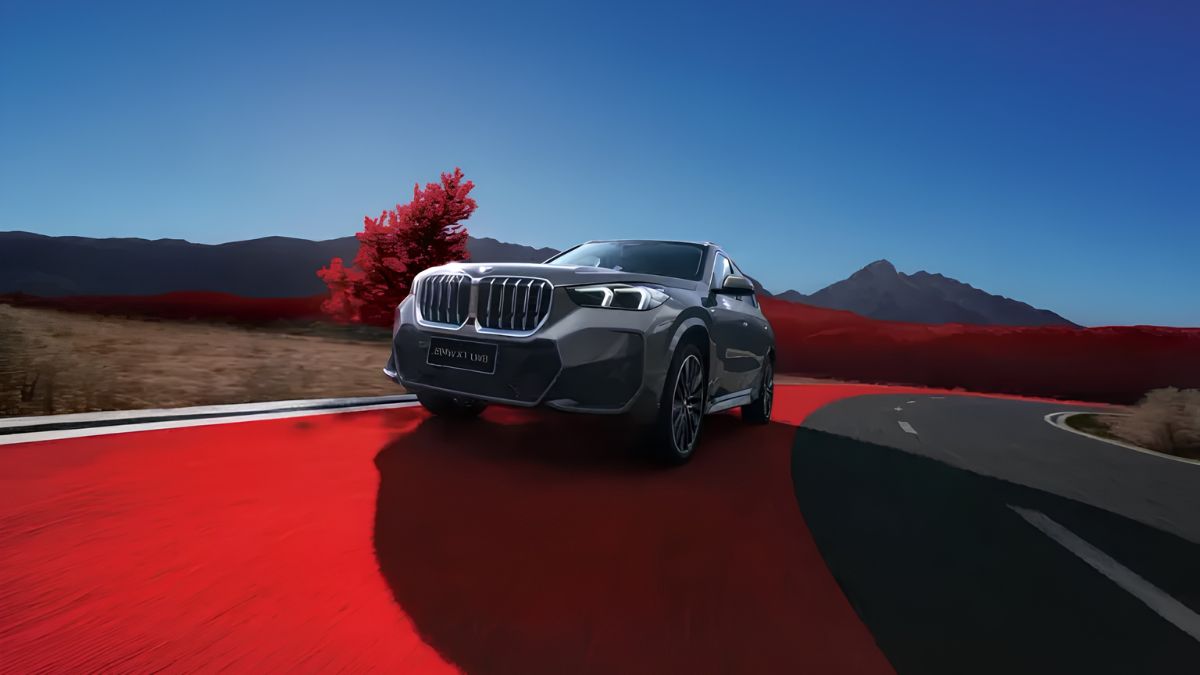
India’s luxury compact SUV market is heading toward an interesting comparison as BMW has introduced the X1 Long Wheelbase while Audi prepares to bring the third-generation Q3. Both SUVs are aimed at buyers looking for a premium family vehicle, but their priorities are noticeably different.
BMW has extended the X1 to focus on rear-seat comfort and cabin space, while Audi has put greater emphasis on digital features and technology. For buyers considering either model, the choice could ultimately come down to what matters more in a luxury SUV – extra room or a more technology-focused cabin.
Space
The biggest talking point of the BMW X1 LWB is its extended wheelbase.
The SUV gets a 2,800mm wheelbase, making it the longest model in its segment. Compared with the standard X1, the wheelbase has increased by 108mm. BMW has used that additional length primarily to improve space for rear passengers.
Rear legroom increases by 150mm, while kneeroom rises by 109mm. These are substantial gains for a compact luxury SUV and could make a noticeable difference for families that regularly use the rear seats.
The rear seats can also recline by up to 28.5 degrees, giving passengers another way to adjust their seating position on longer journeys.
This approach reflects the priorities of many luxury-car buyers in India, where rear-seat comfort can be an important part of the ownership experience.
Design
The X1 LWB retains the basic character of the X1 but uses its longer proportions to create a more spacious cabin.
BMW’s approach is relatively straightforward. Instead of making the vehicle significantly larger overall, the company has concentrated on increasing the wheelbase. This allows the SUV to offer additional rear-seat room while remaining within the compact luxury SUV category.
For buyers who frequently travel with family or use a chauffeur, the longer rear compartment could be one of the X1 LWB’s strongest advantages.
Audi’s new Q3 follows a different philosophy. Rather than focusing primarily on rear-seat dimensions, the new-generation SUV places considerable attention on its cabin technology and equipment.
Technology
The new Audi Q3’s cabin is built around several digital displays and driver-assistance features.
It gets an 11.9-inch digital instrument display and a 12.8-inch MMI touchscreen. There is also a dedicated touchscreen display for the front passenger.
This gives the Q3 a more technology-oriented interior, with the screens becoming a major part of the cabin experience.
Audi has also equipped the new Q3 with features such as Matrix LED headlights, OLED taillights, smart parking technology and reverse assist.
For buyers who associate modern luxury with digital interfaces, advanced lighting and automated convenience features, the Q3 could have a strong appeal.
Interiors
The difference between the two SUVs becomes clearer when their interiors are compared.
The BMW X1 LWB’s major advantage is the amount of space available to passengers in the second row. The longer wheelbase should make the rear compartment more comfortable, particularly for taller passengers.
The Audi Q3 instead puts greater emphasis on the technology surrounding the occupants. Its multiple displays and electronic features give the cabin a more digitally focused character.
Neither approach is necessarily better for every buyer. A person who spends considerable time in the back seat may place more value on legroom and seat comfort. Someone who drives the car regularly may be more interested in the dashboard, infotainment system and driver-assistance features.
Features
The two SUVs therefore take different approaches to premium equipment.
| Feature | BMW X1 LWB | New Audi Q3 |
|---|---|---|
| Wheelbase | 2,800mm | Not specified here |
| Rear legroom | Increased by 150mm | Not specified here |
| Rear kneeroom | Increased by 109mm | Not specified here |
| Rear seat recline | Up to 28.5 degrees | Not specified here |
| Instrument display | Not specified here | 11.9-inch |
| Infotainment screen | Not specified here | 12.8-inch |
| Passenger display | Not specified here | Dedicated touchscreen |
| Headlights | Not specified here | Matrix LED |
| Taillights | Not specified here | OLED |
| Parking technology | Not specified here | Smart parking and reverse assist |
The BMW’s feature story is centered on passenger comfort and usable cabin space. Audi’s is more strongly tied to digital technology and convenience.
Choice
For buyers choosing between the BMW X1 LWB and the new Audi Q3, the decision may depend on how they intend to use the vehicle.
The X1 LWB makes a strong case for buyers who prioritize rear-seat comfort. Its 2,800mm wheelbase and significant increases in legroom and kneeroom give it a clear space advantage, particularly for families and chauffeur-driven owners.
The Q3 takes a different direction. Its large displays, passenger touchscreen, advanced lighting systems and parking technologies make technology a central part of its luxury proposition.
That makes this comparison less about identifying one universally better SUV and more about understanding two different interpretations of premium motoring. The BMW X1 LWB emphasizes what passengers can experience physically inside the cabin, while the Audi Q3 focuses heavily on what the occupants can interact with digitally.
As both models compete for attention in India’s luxury compact SUV market, buyers will have a fairly clear choice to make – prioritize the additional space of the BMW or the technology-led cabin of the Audi. The final decision will likely depend on whether rear-seat comfort or connected features matter more to the individual buyer.
FAQs
Which has more rear-seat space?
The BMW X1 LWB is designed with significantly more rear space.
What is the X1 LWB wheelbase?
The BMW X1 LWB has a 2,800mm wheelbase.
What screens does the new Q3 get?
It gets an 11.9-inch cluster and a 12.8-inch MMI display.
Does the Q3 have Matrix LED lights?
Yes, the new Q3 offers Matrix LED headlights.
Which SUV focuses more on technology?
The new Audi Q3 places greater emphasis on cabin technology.