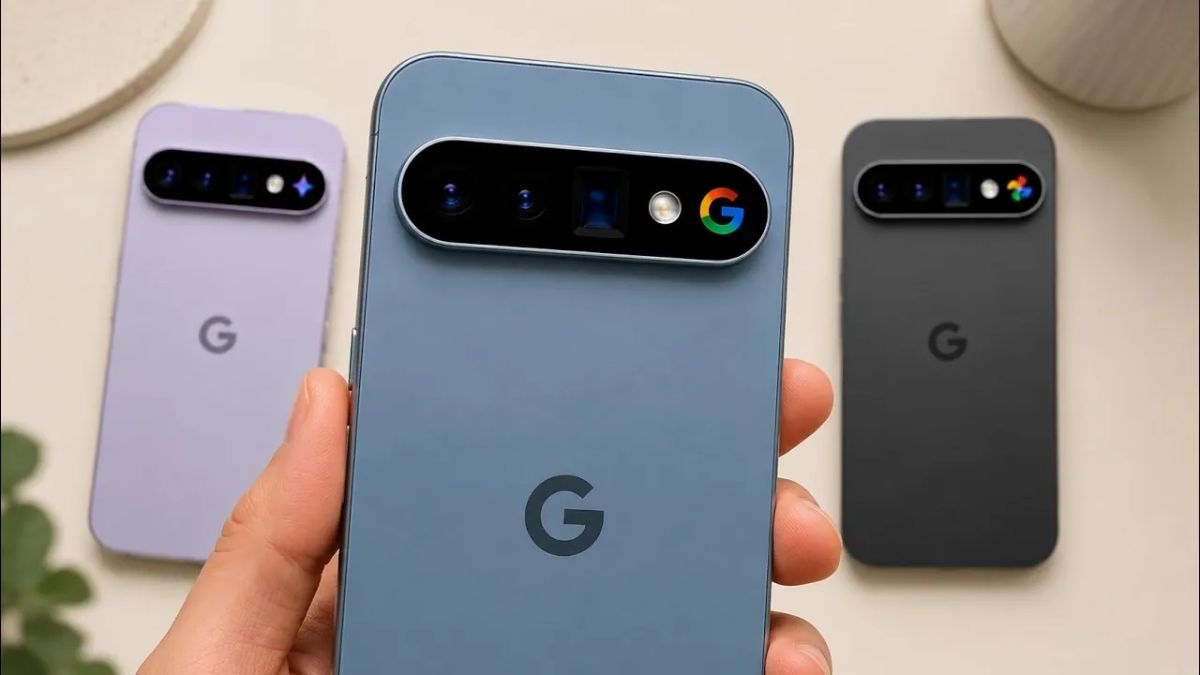
Google’s next flagship smartphone generation is expected to arrive soon, and a new Geekbench listing has provided an early look at the possible performance of the Pixel 11 Pro XL.
The listing names Google’s upcoming flagship directly and reveals details about its processor, memory and operating system. If accurate, the Pixel 11 Pro XL could feature the Tensor G6 chipset, up to 16GB of RAM and Android 17.
The benchmark results also suggest a moderate improvement over the previous-generation Pixel 10 Pro XL, particularly in multi-core performance.
Listing
The Geekbench entry identifies the device as the Google Pixel 11 Pro XL. The handset is listed under the codename “Kodiak”, while the motherboard is also identified as “kodiak”.
The processor is named Google Tensor G6, giving us one of the clearest indications yet of the chipset expected to power Google’s next flagship lineup.
The benchmark device is shown running Android 17, which would be consistent with the Pixel 11 series launching with Google’s next major Android version.
As with any pre-launch benchmark, however, the specifications and scores should be treated as preliminary. Final retail hardware can differ from engineering or test units.
Processor
The Geekbench listing describes the Tensor G6 as a seven-core processor. That matches earlier reports suggesting Google could move to a hepta-core CPU configuration for its next-generation Tensor platform.
The reported configuration includes two ARM C1-Pro efficiency cores running at 2.65GHz, four ARM C1-Pro performance cores clocked at 3.38GHz and one ARM C1-Ultra prime core reaching 4.11GHz.
If these figures are accurate, the 4.11GHz peak clock speed would be one of the notable changes in the new Tensor platform.
The seven-core design also indicates that Google may be taking a different approach from conventional smartphone processors that commonly use eight CPU cores.
Memory
The benchmark listing reportedly shows 15.29GB of RAM on the tested Pixel 11 Pro XL.
That figure would normally be marketed as 16GB of RAM in a retail smartphone, since the usable amount reported by benchmarking software can differ from the advertised capacity.
A 16GB memory configuration would put the Pixel 11 Pro XL firmly in the high-end smartphone category and could provide additional headroom for demanding applications, multitasking and on-device artificial intelligence features.
Google has increasingly emphasized AI capabilities in its Pixel phones, making memory capacity an important consideration for future software features.
Graphics
The Tensor G6 is reportedly paired with a PowerVR C-Series CXTP-48-1536 GPU.
The appearance of PowerVR graphics would represent an important detail about Google’s next-generation mobile platform. GPU performance will be particularly relevant for gaming, graphics-heavy applications and the increasing number of AI workloads handled directly on smartphones.
However, a Geekbench listing alone does not provide enough information to determine how the Pixel 11 Pro XL will perform in sustained gaming or other graphics-intensive workloads.
Those results will require additional benchmarks after the device becomes commercially available.
Benchmark
The Pixel 11 Pro XL reportedly scored 2,112 points in Geekbench’s single-core test and 5,196 points in the multi-core test.
For comparison, the Pixel 10 Pro XL recorded 2,082 points in single-core performance and 4,577 points in multi-core testing in Gadgets 360’s tests.
| Device | Single-core | Multi-core |
|---|---|---|
| Pixel 11 Pro XL | 2,112 | 5,196 |
| Pixel 10 Pro XL | 2,082 | 4,577 |
Based on these figures, the newer handset shows a relatively small improvement in single-core performance but a more noticeable increase in multi-core performance.
The multi-core score is approximately 13.5% higher than the Pixel 10 Pro XL’s result in the cited comparison. Single-core performance is only around 1.4% higher.
It is important not to treat these differences as definitive until multiple retail units have been tested under comparable conditions.
Launch
The Pixel 11 series is expected to be unveiled at Google’s upcoming Made by Google hardware event.
The lineup is reportedly expected to include four models: the Pixel 11, Pixel 11 Pro, Pixel 11 Pro XL and Pixel 11 Pro Fold. All four are expected to use the Tensor G6 platform, although their specifications may vary.
Google is also expected to introduce the Pixel Watch 5 and other hardware during the event.
The Geekbench appearance provides an early indication of what the Pixel 11 Pro XL could offer, particularly in terms of processing hardware and memory. The reported Tensor G6 configuration, 16GB-class RAM and improved multi-core score suggest Google is continuing to develop its custom silicon for its flagship Pixel range.
More importantly, the final performance picture will depend on retail hardware, software optimisation, thermal management and real-world testing after launch.
FAQs
What chip will Pixel 11 Pro XL use?
It is expected to use the Google Tensor G6 chipset.
How much RAM does Pixel 11 Pro XL have?
The listing reports about 15.29GB, likely marketed as 16GB.
What was its Geekbench score?
It scored 2,112 single-core and 5,196 multi-core points.
Which Android version does it run?
The Geekbench listing shows Android 17.

How many CPU cores does Tensor G6 have?
The reported Tensor G6 configuration has seven CPU cores.