
Mini has opened pre-bookings for the Countryman C in India, marking an important step in its strategy to expand within the premium compact SUV segment.
The upcoming model will be locally assembled, which is expected to make it more competitively priced compared to fully imported versions.
With this move, Mini is aiming to strengthen its presence in a market that is steadily growing in demand for luxury vehicles with practical appeal.
The Countryman C is positioned as a petrol-powered offering that balances everyday usability with the brand’s established design identity and driving characteristics. It also reflects Mini’s effort to provide a broader mix of internal combustion and electric options in India.
Launch
Pre-bookings for the Mini Countryman C have commenced across authorised dealerships in India. Customers can reserve the vehicle by visiting showrooms or contacting dealers directly. While the exact launch date has not been officially confirmed, the rollout is expected in the near term.
The model will be assembled at the BMW Group Plant in Chennai. This development is significant because local assembly generally reduces import duties, allowing manufacturers to price their vehicles more competitively. It also indicates a long-term commitment to the Indian market.
Position
Within Mini’s India portfolio, the Countryman C will serve as a more accessible petrol variant. It is expected to be positioned below the performance-oriented Mini JCW Countryman All4. At the same time, it complements Mini’s electric offerings, including the Countryman E and SE All4.
This layered lineup allows Mini to address different customer preferences. Buyers seeking conventional petrol engines now have a new option, while those inclined towards electric mobility can consider the existing EV range.
Design
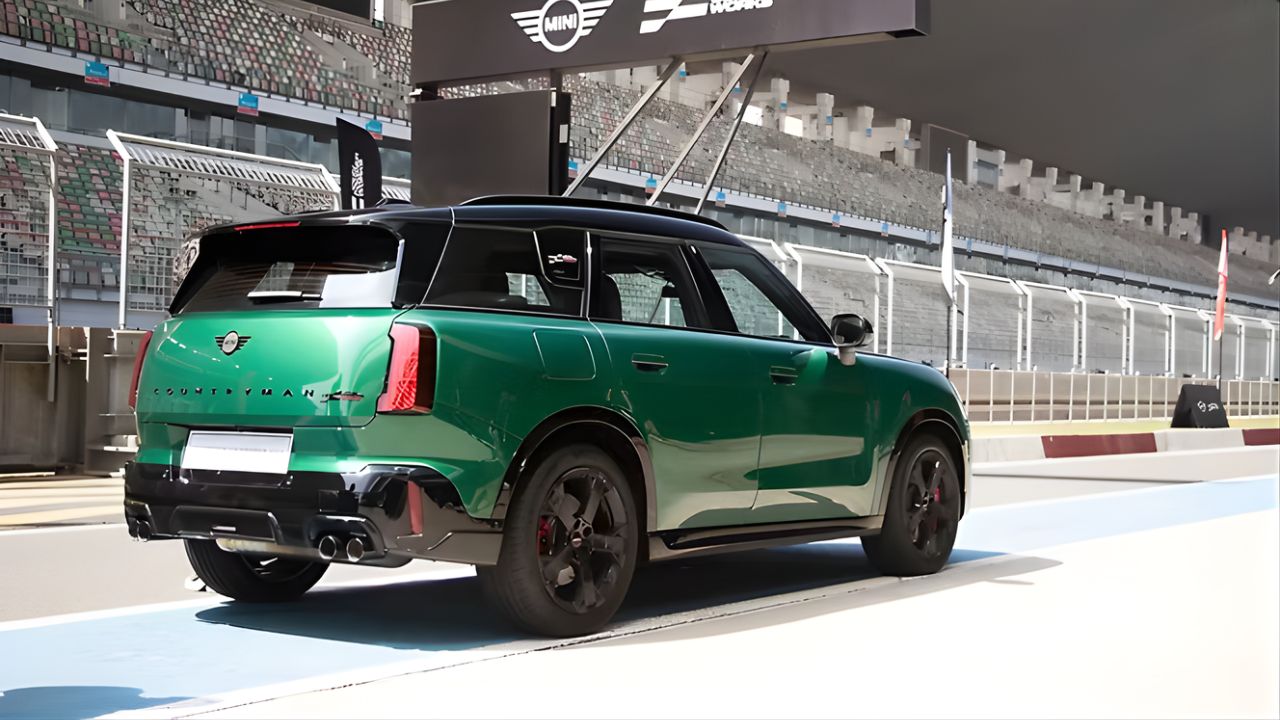
In terms of design, the Countryman C is expected to retain Mini’s recognizable styling cues while incorporating modern updates. The overall silhouette is likely to remain rounded, with subtle rugged elements that align with its SUV positioning.
The new generation Countryman is also expected to be larger than its predecessor. This increase in size should translate into improved cabin space, enhanced passenger comfort, and greater practicality.
These changes are particularly relevant for Indian buyers who often prioritize interior space and versatility for both city use and longer journeys.
Engine
Although official specifications have not yet been fully disclosed, the Countryman C is expected to feature a turbo-petrol engine. Industry indications suggest a 1.5-litre three-cylinder unit, which is commonly used within the BMW Group’s lineup.
The engine is likely to be paired with an automatic transmission, ensuring a smooth and consistent driving experience. If the model shares its platform with the BMW X1, it may also benefit from similar levels of refinement and structural efficiency.
Below is a summary of the expected technical details:
| Feature | Expected Details |
|---|---|
| Engine | 1.5L Turbo Petrol |
| Transmission | Automatic |
| Platform | BMW X1-derived |
| Assembly | Local (Chennai Plant) |
| Segment Position | Entry-level premium petrol |
Pricing
Pricing will be a key factor in determining the Countryman C’s market reception. Local assembly is expected to reduce overall costs compared to completely built units. This could make the vehicle more accessible to a broader group of buyers within the premium segment.
While official pricing has not yet been announced, industry expectations suggest that the Countryman C will be positioned competitively against other entry-level luxury SUVs.
Competition
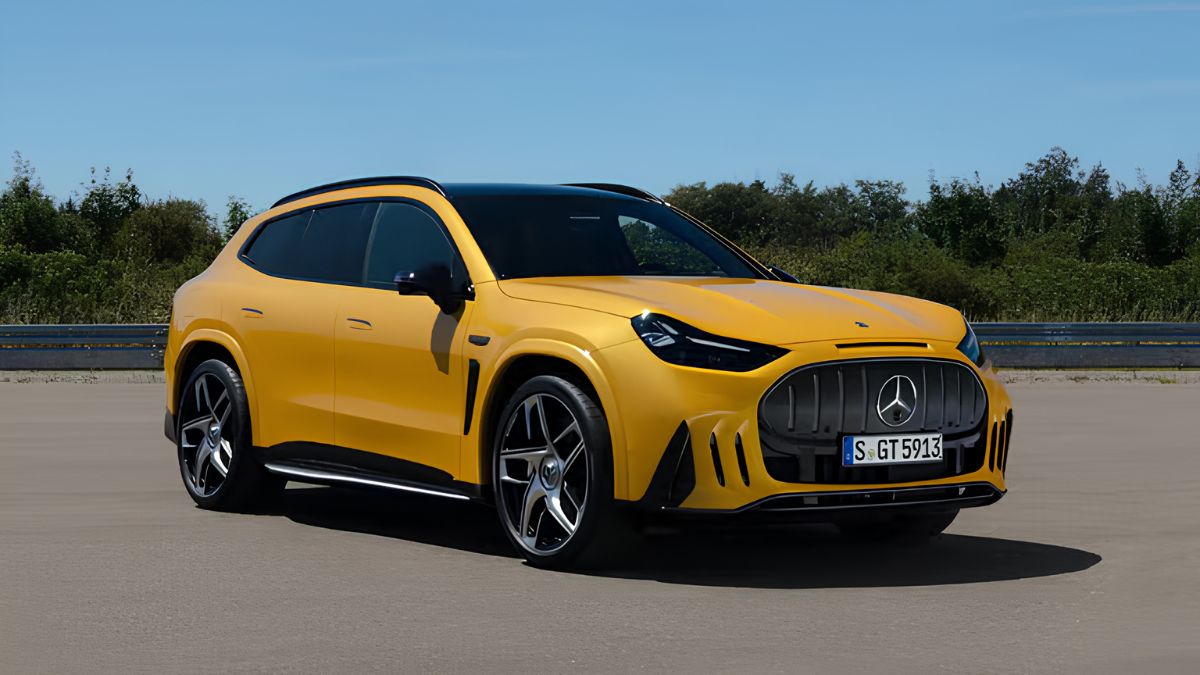
The Mini Countryman C will enter a segment that includes established models such as the BMW X1, Mercedes-Benz GLA, and Audi Q3. These vehicles are known for their focus on comfort, technology, and brand value.
Mini’s approach differs slightly, as it combines premium features with a distinct design identity. This differentiation may appeal to buyers who are looking for a vehicle that stands out visually while still offering practical benefits.
Strategy
The introduction of the Countryman C reflects a broader strategy by Mini to adapt to local market conditions. By assembling vehicles in India, the brand can reduce costs and improve supply chain efficiency.
At the same time, maintaining a mix of petrol and electric models allows Mini to respond to evolving consumer preferences.
While electric mobility is gaining traction, petrol vehicles continue to account for a significant share of the market.
Future
The Countryman C could play an important role in expanding Mini’s footprint in India. If the model achieves steady demand, it may encourage the brand to consider additional locally assembled offerings in the future.
Such a move would likely enhance accessibility, improve service networks, and support long-term growth. It would also align with broader industry trends, where manufacturers are increasingly focusing on localization to remain competitive.
The Mini Countryman C represents a measured and strategic addition to the brand’s India lineup. By combining local assembly with a balanced product offering, Mini is positioning itself to reach a wider audience while maintaining its established identity.
The final impact will depend on pricing, features, and overall value, but the direction indicates a clear intent to strengthen its role in the premium compact SUV segment.
FAQs
When will Countryman C launch in India?
Launch is expected soon after bookings open.
Is it locally assembled?
Yes, it will be built in the Chennai plant.
What engine is expected?
A 1.5L turbo petrol engine is likely.
Will it be more affordable?
Local assembly may reduce pricing.

Who are its competitors?
BMW X1, Audi Q3, Mercedes-Benz GLA.