
The Indian automotive market continues to evolve with a growing focus on affordability, performance, and electrification. Renault India has outlined a long-term strategy to strengthen its presence in this competitive space by introducing seven new models by 2030.
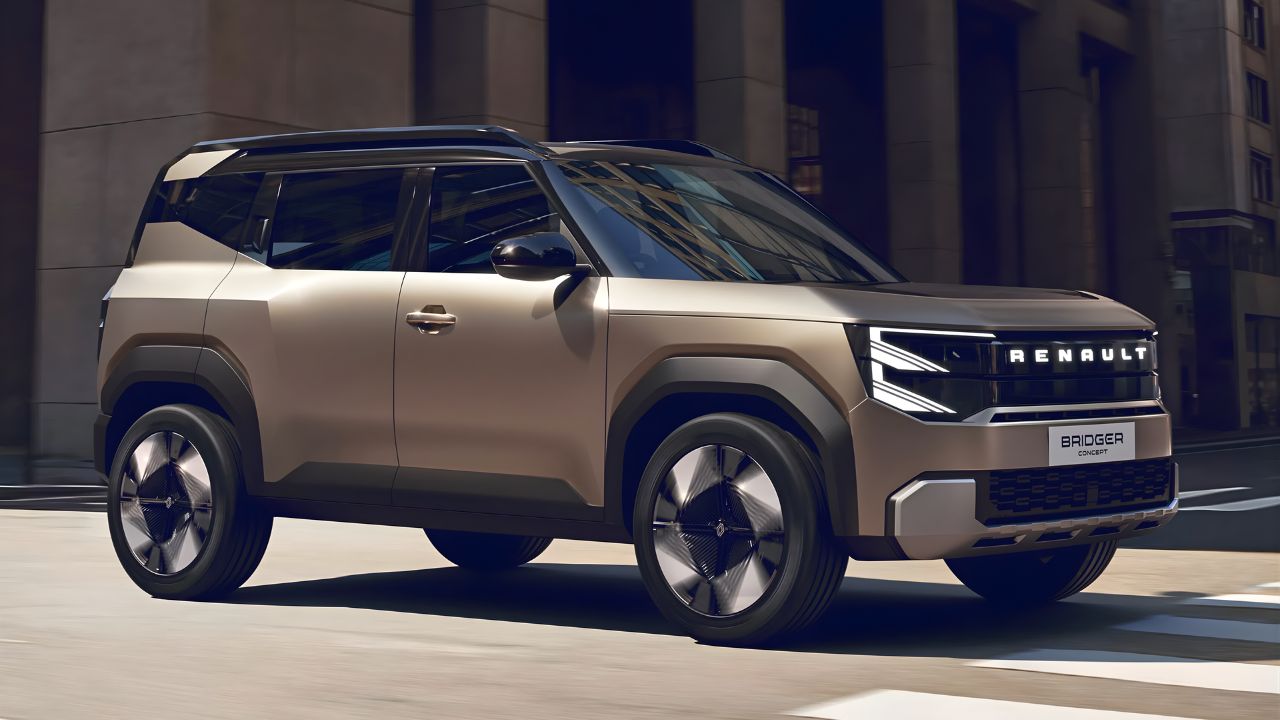
Among these upcoming vehicles, the Renault Bridger stands out as a significant addition. Expected to launch around late 2027, the Bridger is likely to be offered with both turbo petrol and fully electric powertrains.
This move reflects Renault’s broader plan to cater to multiple customer segments while aligning with the industry’s gradual shift toward electric mobility.
The Bridger is expected to play a key role in bridging the gap between budget-friendly offerings and more feature-rich SUVs.
Overview
The Renault Bridger is currently in its concept stage, but it represents a strategic product for the company’s India portfolio. It is expected to be positioned in the under Rs 15 lakh segment, targeting buyers who seek a balance between affordability and performance.
Renault’s recent focus has largely been on entry-level models. With the Bridger, the company aims to expand into a slightly higher segment without moving too far from its value-driven approach.
This positioning could help Renault compete more effectively with established players in the compact and mid-size SUV categories.
Engine
The Bridger is expected to feature a new 1.2-litre turbocharged petrol engine. This three-cylinder unit is derived from the global Renault Clio 6 platform and is likely to produce approximately 113.4 bhp.
This engine is intended to address the demand for higher performance in the compact SUV segment, where Renault currently has limited offerings.
In addition, a 1.0-litre turbo petrol engine, similar to the one used in the Renault Kiger, may be offered in lower variants to maintain competitive pricing.
A comparison of the expected engine options is provided below:
| Engine Type | Power Output | Source | Target Segment |
|---|---|---|---|
| 1.2L Turbo Petrol | ~113.4 bhp | Clio 6 | Mid-range buyers |
| 1.0L Turbo Petrol | Lower output | Kiger | Entry-level buyers |
These options would allow Renault to cater to a wider customer base by offering both performance-oriented and cost-conscious choices within the same model range.
Electric
A notable aspect of the Renault Bridger is its planned electric variant. This model is expected to be Renault’s first fully electric vehicle for the Indian market.
The introduction of a battery electric version reflects the company’s global multi-energy strategy, which includes internal combustion, hybrid, and electric powertrains.
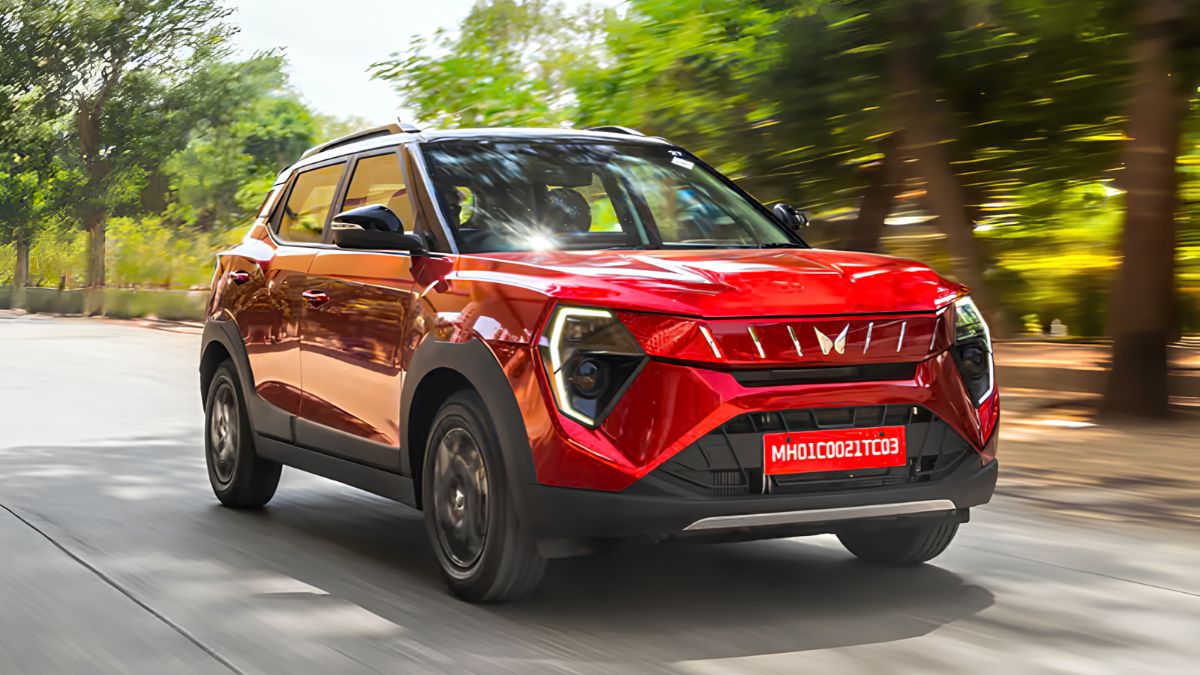
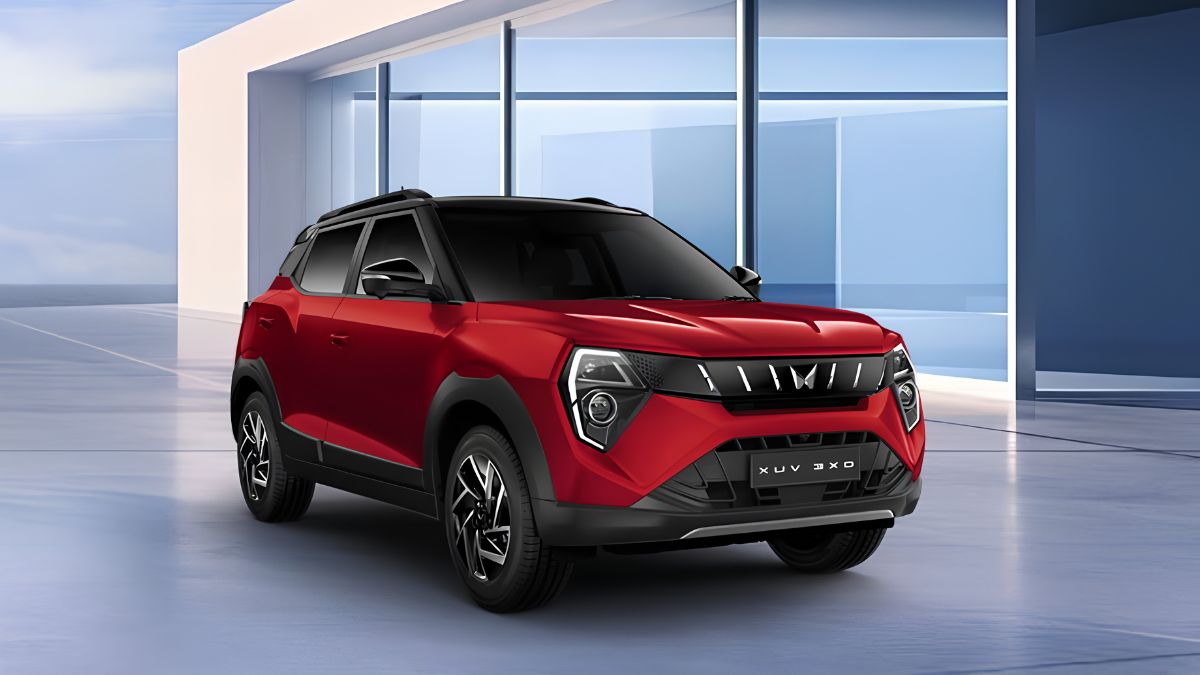
The electric Bridger is likely to feature battery packs of up to 40 kWh. This would position it alongside competitors such as the Tata Nexon EV and the Mahindra XUV 3XO EV.
A brief comparison is outlined below:
| Model | Battery Capacity | Segment |
|---|---|---|
| Renault Bridger EV | Up to 40 kWh | Compact SUV |
| Tata Nexon EV | 30-40 kWh | Compact SUV |
| Mahindra XUV 3XO EV | Expected similar | Compact SUV |
While detailed specifications such as driving range and charging times are not yet confirmed, a battery of this capacity typically supports urban commuting as well as occasional longer trips.
Strategy
Renault’s roadmap for India focuses on expanding its product lineup while maintaining competitive pricing.
The company has indicated a strong emphasis on the sub-Rs 10 lakh category, which continues to drive volume in the Indian market. At the same time, it aims to strengthen its presence in higher segments through models like the Bridger.
The broader plan includes the introduction of multiple new models by the end of the decade, alongside a gradual expansion into electric mobility and alternative powertrains.
Renault is also expected to increase its focus on exports from India, using the country as a manufacturing and supply hub.
The Bridger is aligned with these objectives, as it combines flexibility in powertrain options with a positioning that can appeal to a wide range of buyers.
Design
Although the final production design has not been revealed, the Renault Bridger is expected to follow the company’s evolving global design language. This may include a more pronounced SUV stance, updated lighting elements, and a modern interior layout.
Features such as LED lighting, digital displays, and connected car technology are likely to be included, in line with current segment expectations.
The design approach is expected to balance functionality with contemporary styling, without significantly increasing costs or complexity.
Pricing
Pricing will be an important factor in determining the Bridger’s market reception. Based on current expectations, the petrol variants could be priced between Rs 8 lakh and Rs 15 lakh, depending on the variant and features offered.
The electric version is likely to be positioned at a higher price point, potentially in the range of Rs 15 lakh to Rs 20 lakh.
This would place it within the competitive bracket of existing compact electric SUVs in India, allowing Renault to compete directly with established players while maintaining its value-oriented positioning.
Timeline
The Renault Bridger is expected to be launched in India by late 2027. This timeline provides the company with sufficient scope to finalize product development and align with evolving regulatory and market conditions.
By the time of its launch, the Indian electric vehicle market is expected to become more mature, supported by improved infrastructure and growing consumer awareness. This context could enhance the relevance of the Bridger EV alongside its petrol counterpart.
Overall, the Renault Bridger reflects the company’s intent to diversify its offerings and adapt to changing market dynamics.
By introducing both turbo petrol and electric variants, Renault is aiming to provide flexibility to buyers while strengthening its position in the Indian automotive sector.
FAQs
When will Renault Bridger launch?
Expected by late 2027.
What engine will Bridger have?
1.2L turbo petrol engine.
Will there be an EV version?
Yes, with up to 40 kWh battery.
What is the expected price?
Rs 8–20 lakh range.

Who are its rivals?
Nexon EV, XUV 3XO EV.