Renault is preparing a significant shift in its product and technology strategy for emerging markets, with India and South Africa taking priority. The company has outlined a structured plan to expand its presence through new models and hybrid technology. This move reflects both market demand and the gradual transition toward electrified mobility in regions where full electric adoption is still evolving.
Strategy
Renault has identified India and Africa as key growth drivers within its global operations. Together, these regions contribute more than half of the company’s total sales volume. Based on internal projections, they are expected to account for over 60 percent of Renault’s future growth, representing approximately 55 percent of its global customer base.
To support this expansion, Renault plans to introduce 14 new models across these markets. A notable portion of these vehicles will be built on the Hybrid E-Tech platform. This indicates a focused approach toward electrification while maintaining compatibility with existing infrastructure and consumer preferences.
Hybrid
The Hybrid E-Tech system is Renault’s proprietary technology that combines a petrol engine with one or more electric motors. The system is designed to optimize fuel efficiency, reduce emissions, and provide a smoother driving experience without relying entirely on charging infrastructure.
In markets like India and South Africa, where electric vehicle charging networks are still developing, hybrid systems offer a practical alternative. They allow partial electrification without requiring a complete shift in user behavior.
Rafale
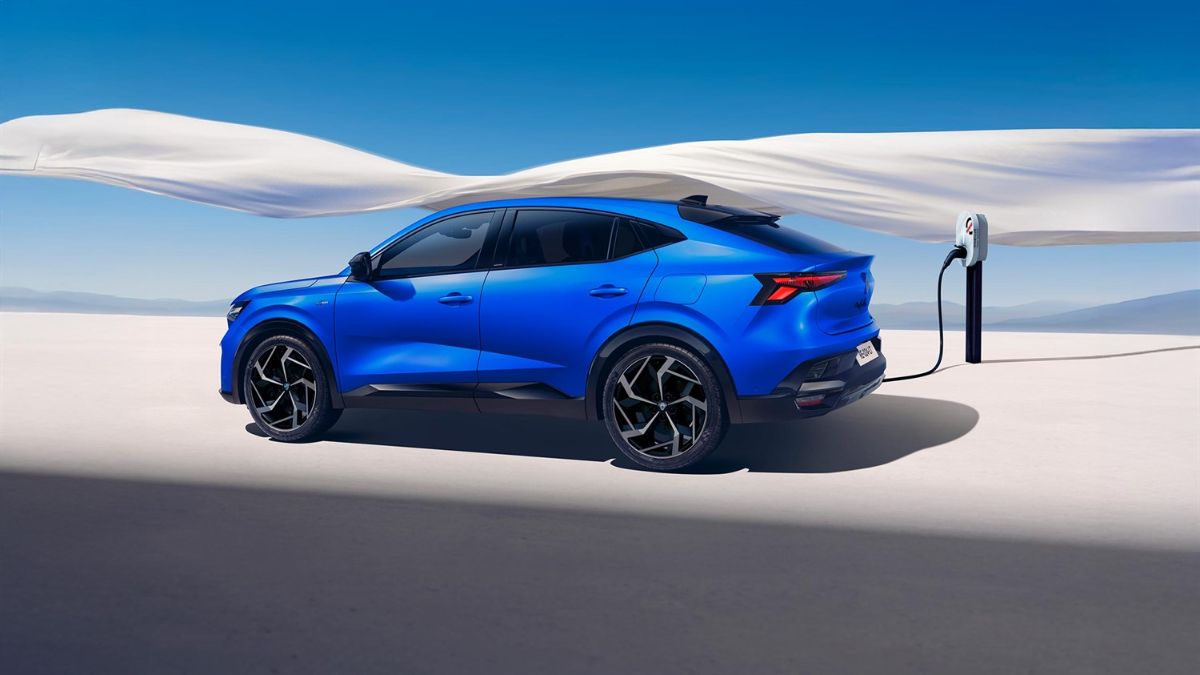
The Renault Rafale is expected to play a central role in this strategy. The coupe-SUV has already been observed testing in India without camouflage, suggesting that it may be under consideration for launch.
Internationally, the Rafale is offered with two hybrid configurations:
| Variant | Power Output | Type | Estimated Price (India) |
|---|---|---|---|
| Strong Hybrid | 197 bhp | Hybrid | Rs. 30-40 lakh (est.) |
| Plug-in Hybrid | 296 bhp | PHEV | Rs. 50-60 lakh (est.) |
The plug-in hybrid variant produces 296 bhp and is positioned as a performance-oriented offering. The strong hybrid version, with 197 bhp, provides a balance between efficiency and performance. If introduced in India, these variants could help Renault enter both mid-size and premium hybrid segments.
Market
The focus on India and South Africa is based on both scale and potential. These markets continue to show steady demand for passenger vehicles, particularly in the SUV segment. At the same time, regulatory pressures and fuel efficiency concerns are encouraging manufacturers to introduce cleaner technologies.
Hybrid vehicles are seen as an intermediate solution, especially in markets where infrastructure limitations slow the adoption of fully electric vehicles. Renault’s strategy aligns with this transition phase, aiming to offer products that meet current conditions while preparing for future shifts.
Competition
Renault will face increasing competition in the hybrid and plug-in hybrid space. Several global manufacturers are expanding their presence in India with electrified products.
BYD has already introduced multiple models and is expected to expand further with vehicles such as the Leopard 8. Other companies, including Chery and Rox Motor, are also exploring entry into the market with hybrid and electric offerings.
This competitive environment is likely to influence pricing, feature offerings, and localization strategies. Renault’s ability to balance cost and technology will be critical to its success.
Portfolio
The planned 14-model rollout reflects Renault’s intention to diversify its product lineup. Rather than focusing on a single segment, the company aims to cover a broad range of categories, including compact SUVs, mid-size vehicles, and premium offerings.
This diversified approach reduces reliance on individual models and allows Renault to address varying consumer needs. It also supports brand repositioning by introducing more technologically advanced vehicles into its portfolio.
Future
Renault’s Hybrid E-Tech initiative represents a transitional phase in its long-term electrification strategy. By introducing hybrid and plug-in hybrid models, the company is positioning itself to adapt to changing market dynamics while maintaining relevance in regions with evolving infrastructure.
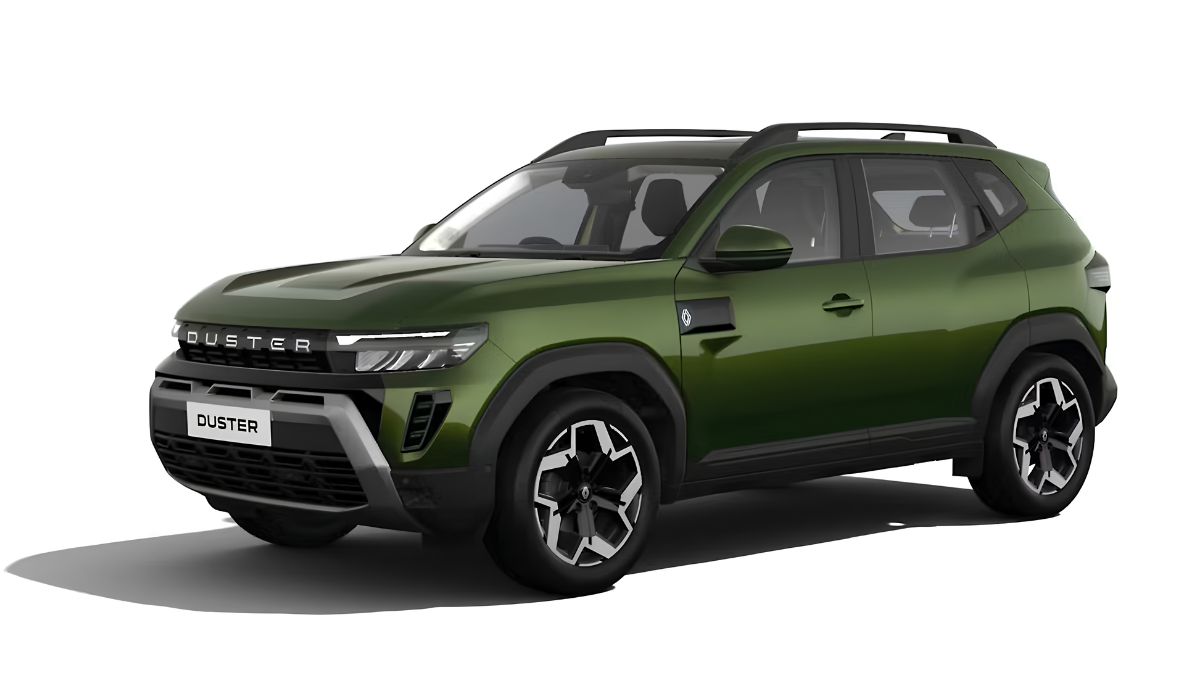
In addition to new technology, upcoming products such as the next-generation Duster are expected to contribute to Renault’s growth in these markets. The combination of established nameplates and new hybrid offerings could strengthen the company’s market position over time.
Overall, Renault’s approach reflects a measured response to industry trends. By aligning product development with regional requirements and investing in hybrid technology, the company is preparing for a gradual shift toward electrified mobility while continuing to serve current market demands.
FAQs
What is Hybrid E-Tech?
A petrol-electric hybrid system by Renault.
How many models are planned?
Renault plans 14 new models for these markets.
Is Rafale coming to India?
It is likely under evaluation for launch.
What is Rafale PHEV power?
It delivers around 296 bhp output.
Why focus on India and Africa?
They contribute over half of Renault sales.