India’s smartphone market recorded a decline in the first quarter of 2026, reflecting weaker consumer demand and rising pricing pressures across segments. According to the latest Worldwide Quarterly Mobile Phone Tracker released by International Data Corporation (IDC), smartphone shipments in the country fell by 4.1 percent year-on-year during Q1 2026.
The report noted that smartphone brands increased inventory shipments ahead of expected price hikes linked to rising memory and storage component costs. However, the anticipated demand did not fully materialise, leading to slower market movement during the quarter.
IDC also shared the ranking of the top-performing smartphone brands in India for Q1 2026, with Vivo retaining the leading position in the market.
Shipments
India recorded smartphone shipments of 31 million units in Q1 2026. Compared to the same quarter last year, the market witnessed a noticeable slowdown.
According to IDC, one of the key reasons behind the decline was inventory stocking by original equipment manufacturers (OEMs). Smartphone makers reportedly accelerated shipments in anticipation of higher manufacturing costs caused by the global shortage of RAM and storage components.
The shortage has been linked partly to rising demand for AI infrastructure, which has increased pressure on semiconductor and memory supply chains worldwide.
| Q1 2026 Smartphone Market Data | Details |
|---|---|
| Total Shipments | 31 million units |
| Year-on-Year Decline | 4.1 percent |
| Market Value Growth | 5.8 percent |
| Average Selling Price | $302 |
| ASP Growth | 10.4 percent |
While inventory levels increased, actual consumer purchases remained relatively subdued during the quarter.
Demand
IDC highlighted that post-festive season demand remained weak across several smartphone categories. In India, festive sales periods often account for a major share of annual smartphone purchases due to discounts, exchange offers, and financing schemes.
After the festive period ended, many consumers reportedly delayed smartphone upgrades amid rising prices and cautious spending behaviour.
The increase in smartphone prices also affected entry-level and mid-range demand. Buyers in these segments are generally more price-sensitive, and even moderate price increases can influence purchase decisions.
At the same time, financing costs and broader inflationary pressures may have contributed to consumers postponing discretionary purchases such as smartphones.
Pricing
Although smartphone shipment volumes declined, the total market value grew by 5.8 percent during Q1 2026. IDC said this reflects a continuing shift in India’s smartphone market from volume-driven growth to value-driven growth.
The average selling price (ASP) of smartphones in India increased by 10.4 percent year-on-year to $302, which is roughly Rs. 29,000.
This suggests that more consumers are purchasing higher-priced smartphones compared to previous years. However, IDC noted that the trend is not necessarily driven only by premium aspirations. Rising production costs and shrinking margins in the budget smartphone category are also pushing brands to focus more on higher-priced devices.
Manufacturers are increasingly finding it difficult to maintain profitability in the low-cost segment due to:
- Higher component prices
- Currency fluctuations
- Increased logistics costs
- Competitive pricing pressure
As a result, several brands are gradually expanding their focus toward premium and upper mid-range devices.
Brands
IDC’s Q1 2026 report also ranked the top smartphone brands in India based on market share.
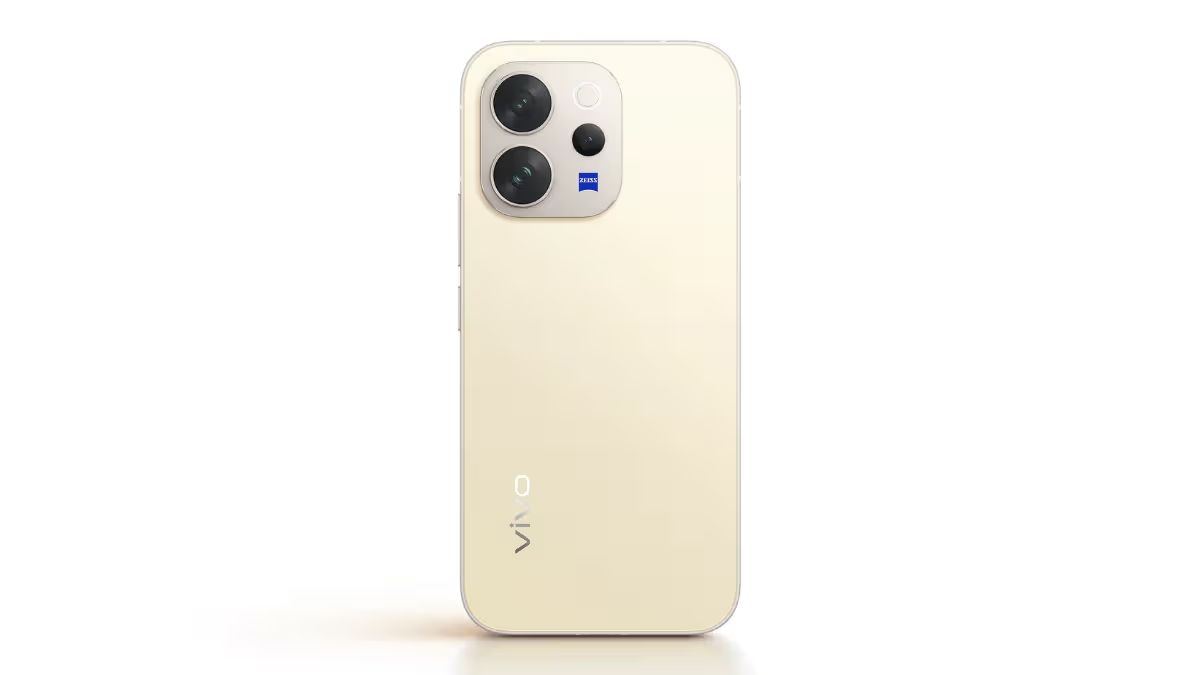
Vivo retained the top position with a market share of 19.6 percent. Samsung followed in second place with 17.1 percent market share.
Oppo secured third position with a 15.3 percent share and also recorded the highest annual growth among leading brands at 22 percent.
| Top Smartphone Brands in India – Q1 2026 |
|---|
| Vivo – 19.6% |
| Samsung – 17.1% |
| Oppo – 15.3% |
| Apple – 9.4% |
| Motorola – 8.9% |
| Realme – 8.8% |
| iQOO – 1.9% |
| OnePlus – 1.7% |
IDC also noted that Xiaomi and Poco together captured a combined market share of 12.2 percent. While the companies are grouped together operationally, the report separately ranked Apple in fourth position among individual smartphone brands.
Motorola emerged as one of the notable performers during the quarter, registering 14 percent annual growth to reach an 8.9 percent market share.
Realme followed closely behind Motorola with an 8.8 percent share, while iQOO and OnePlus occupied the ninth and tenth positions respectively.
Premiumisation
One of the major trends highlighted by IDC is the steady premiumisation of India’s smartphone market. Consumers are increasingly moving toward devices with:
- Better cameras
- Larger storage options
- AI-powered features
- Longer software support
- Premium build quality
This trend has particularly benefited brands operating in the upper mid-range and premium segments.
Apple’s strong market position reflects the increasing demand for premium smartphones in urban markets. Meanwhile, brands such as Vivo, Oppo, and Samsung continue to maintain a broad presence across both offline and online retail channels.
The growth in premium devices is also being supported by:
- Easy EMI options
- Exchange programs
- Longer replacement cycles
- Improved financing access
Consumers now tend to hold onto smartphones for longer periods before upgrading, which increases the importance of offering meaningful feature improvements.
Outlook
The Indian smartphone market is expected to remain cautious over the next few quarters as brands balance inventory levels, pricing pressures, and changing consumer behaviour.
Component shortages linked to AI-driven demand in global semiconductor markets could continue to influence production costs. At the same time, rising smartphone prices may keep budget-conscious buyers cautious.
However, the steady increase in average selling prices indicates that demand for feature-rich and premium smartphones remains stable despite slower shipment growth.
IDC’s latest report suggests that India’s smartphone market is gradually transitioning toward a value-focused ecosystem where profitability and premium offerings may become more important than shipment volume alone.
FAQs
How much did India’s smartphone market decline in Q1 2026?
Shipments declined by 4.1 percent year-on-year.
How many smartphone shipments were recorded?
India recorded 31 million smartphone shipments.
Which brand led India’s smartphone market?
Vivo topped the market with 19.6 percent share.
What was the average smartphone price in Q1 2026?
The average selling price reached $302.

Why did smartphone prices increase?
Rising RAM and storage costs pushed prices higher.