JSW Motors is preparing to enter India’s growing new energy vehicle (NEV) market, with an initial lineup expected to include two electric vehicles and two hybrids. The company is expected to make its official debut on 4 December 2026, with its first models potentially arriving around the same time. Its partnership with Chinese automaker Chery Automobile could help it introduce a range of SUVs featuring modern designs, electrified powertrains and technology-focused interiors.
Although the final model names, specifications and prices are yet to be confirmed, three potential SUVs have already attracted attention: the Jetour T2, Jaecoo J5 and iCAUR V23. Each targets a different set of buyers, from those seeking a rugged plug-in hybrid to customers interested in a practical electric SUV.
Lineup
JSW Motors’ anticipated first roster is expected to focus on SUVs, reflecting strong consumer interest in the segment. The proposed mix of electric vehicles and hybrids could also help the company appeal to buyers with different driving habits and charging requirements.
The partnership with Chery Automobile is central to this strategy. Chery has several vehicle brands and electrified platforms that could provide JSW Motors with a quicker route into the Indian market. However, the models sold in India could receive different names, equipment levels or specifications to suit local preferences.
The three SUVs discussed here have been spotted or showcased in different markets, but their Indian launch details remain unconfirmed. Buyers should therefore treat the specifications and prices mentioned below as indicative rather than final Indian-market figures.
Jetour
Expected plug-in hybrid SUV
The Jetour T2 could be one of the most distinctive models in JSW Motors’ initial lineup. Its upright stance and rugged styling give it a more adventurous appearance than many conventional urban SUVs. If introduced in India, it could attract customers looking for an SUV that combines a bold design with the ability to drive on electric power for shorter journeys.
The international plug-in hybrid version uses a 1.5-litre petrol engine producing 154bhp and 220Nm. It works alongside a dual-motor electric setup and a 26.7kWh battery pack. The combined system is quoted at 221bhp and 390Nm, with power delivered through a 3DHT, or Dedicated Hybrid Transmission, system.
The model has a claimed electric-only range of 137km in the specified configuration. That could allow some owners to complete regular commutes without using petrol, provided they charge the battery consistently. Actual range in India would depend on the final specification, driving conditions and testing standards.
Although an updated version has appeared in China, the Indian model could be based on the pre-facelift vehicle. This remains an expectation rather than a confirmed product decision.
Features
The Jetour T2’s expected equipment list could help position it as a technology-rich SUV. Its international specification includes a 15.6-inch infotainment touchscreen and a 10.25-inch digital instrument cluster. The multifunction steering wheel is leather-wrapped and offers tilt and telescopic adjustment.
Other expected highlights include dual-tone upholstery, ambient lighting, a 50W wireless charging pad, automatic climate control and an air purifier. The front seats are listed with powered adjustment, while the driver’s seat includes memory functionality. Ventilation for the front seats could add comfort in India’s warm climate.
A panoramic sunroof, Apple CarPlay, Android Auto and a rear centre armrest with cup holders are also part of the cited equipment list. An unusual feature is a front centre armrest with heating and cooling functions.
The final Indian version may not include every feature available internationally. Local equipment levels, safety specifications and pricing will be important in determining whether the T2 can compete effectively against established SUVs.
Jaecoo
Expected electric and plug-in hybrid options
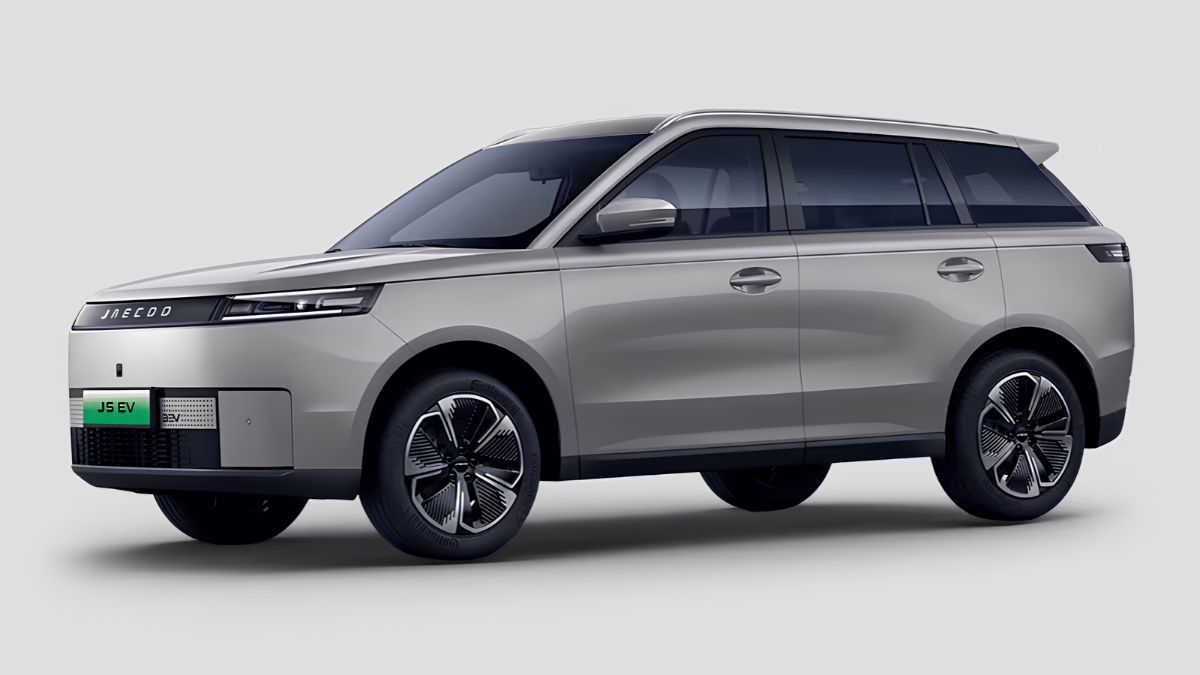
The Jaecoo J5 could be one of the more versatile products in the proposed lineup because both electric and hybrid versions have reportedly been spotted in India. Offering different powertrains could help JSW Motors target buyers who want an EV as well as those who prefer a petrol-based electrified vehicle.
The electric version uses a front-mounted motor producing 207bhp and 288Nm, paired with a 61kWh battery. Its claimed driving range is 407km, while the reported 0-100kmph acceleration time is 7.3 seconds.
Charging specifications include 11kW AC charging and DC fast charging at up to 130kW. These figures suggest that the J5 EV could support both home charging and faster charging stops, although real-world charging times would depend on conditions and the final Indian specification.
The hybrid version reportedly uses a 1.5-litre turbocharged petrol engine alongside a 1.8kWh battery. Its stated combined output is 218bhp and 295Nm, with a Dedicated Hybrid Transmission handling power delivery.
The presence of both versions could give the J5 a broader appeal. The EV may suit buyers with predictable daily routes and access to charging, while the hybrid could be more practical for drivers who regularly cover long distances without wanting to depend on public charging infrastructure.
Pricing
The Jaecoo J5 could be positioned below the Rs. 20 lakh mark if JSW Motors aims to make it competitive in the Indian market. The international reference price cited for the model is 9,99,000 Philippine pesos, equivalent to approximately Rs. 15.6 lakh using the stated conversion.
However, currency conversion alone does not establish an Indian showroom price. Import duties, localisation, taxes, equipment, warranty coverage and the company’s pricing strategy can all affect the final figure. The EV and hybrid versions could also carry different prices.
If priced competitively, the J5 could enter consideration alongside models such as the Renault Duster and other SUVs in the same broad price bracket. The precise comparison would depend on whether JSW Motors launches both powertrains and how their final specifications are configured.
Cabin
The J5 is expected to feature a boxy exterior, a closed-off front grille on the electric version, dual-tone alloy wheels with aerodynamic inserts and 18-inch tyres. A charging port positioned on the front-right fender has also been noted on the EV.
Inside, the reported layout is relatively minimalist. Features include an all-black cabin, fabric upholstery, Type-C charging ports, 64-colour ambient lighting and dual-zone automatic climate control. A pair of wireless charging pads and a 13.2-inch infotainment display could further strengthen its technology appeal.
The column-mounted drive selector may free up space around the centre console, while the two-row seating arrangement makes the J5 a conventional family-oriented SUV in layout.
As with the powertrain, these details relate to the versions seen or listed in other markets. JSW Motors could revise the cabin materials, infotainment functions or equipment for India.
iCAUR
Expected all-electric SUV
The iCAUR V23 could add a different character to JSW Motors’ prospective lineup. Measuring around 4.2 metres long, it features a boxy design that stands apart from the smoother, more rounded styling common among many electric SUVs.
Internationally, the V23 is offered with two mechanical configurations. The entry-level setup uses a two-wheel-drive system producing 134bhp and 180Nm, paired with a 59.93kWh lithium iron phosphate (LFP) battery.
A higher-performance version features dual motors and all-wheel drive, generating 208bhp and 292Nm. It uses an 81.76kWh nickel manganese cobalt (NMC) battery.
The claimed range is up to 430km, although the actual figure will depend on the version and testing cycle. The battery chemistry also differs between the two configurations. LFP batteries are often valued for durability and cost considerations, while NMC batteries generally offer higher energy density. The practical differences will depend on the complete battery and vehicle design.
The two configurations could allow JSW Motors to offer a more affordable variant alongside a higher-performance option, should both be selected for India.
Design
The V23’s upright silhouette is likely to be one of its main selling points. Rather than following a conventional aerodynamic crossover shape, it adopts a more squared-off appearance that may appeal to buyers who prefer compact SUVs with a rugged visual identity.
The cabin reportedly includes a 15.4-inch QHD central touchscreen, a column-mounted drive selector, faux-leather upholstery and a faux-leather-wrapped steering wheel. Other listed features include grab handles, powered front seats, illuminated vanity mirrors and cup holders.
The V23 has also been associated with a 2026 Red Dot Design Award. That recognition could help draw attention to its styling, although an award alone does not determine its suitability, value or performance in the Indian market.
For prospective buyers, the key questions will be how much cabin space the vehicle offers, how comfortable it is on Indian roads, and whether its battery and charging performance meet everyday needs.
Competition
JSW Motors could face a crowded market if it launches these SUVs in India. Electric vehicles are attracting buyers through lower running costs and a growing charging network, while hybrids appeal to those who want some of the efficiency benefits of electrification without relying entirely on charging facilities.
The Jetour T2 could target customers seeking a larger, rugged-looking plug-in hybrid. The Jaecoo J5 may appeal to buyers looking for a more conventional family SUV with a choice of electric or hybrid power. Meanwhile, the iCAUR V23 could stand out through its distinctive design and all-electric drivetrain.
Success will depend on more than specifications. Buyers will also consider the final price, safety equipment, after-sales support, spare-parts availability, warranty terms and the reach of the dealership network. As a new entrant, JSW Motors will need to establish confidence in these areas alongside its vehicle range.
Launch
JSW Motors is expected to go official on 4 December 2026, with the first NEVs anticipated around the launch period and more models potentially following later. The company has yet to confirm the final Indian nameplates, variants, prices and launch schedule for the SUVs discussed here.
The reported sightings of the Jetour T2, Jaecoo J5 and iCAUR V23 suggest that the company could be preparing a varied opening portfolio. However, the final lineup may differ from these expectations, and the initial plan is also said to include a fourth model.
If JSW Motors combines competitive pricing with dependable ownership support and useful electric or hybrid technology, its entry could give Indian SUV buyers more options. For now, the most important details to watch are the official model announcements, confirmed specifications, range figures under Indian testing standards and the prices at which these vehicles eventually reach showrooms.