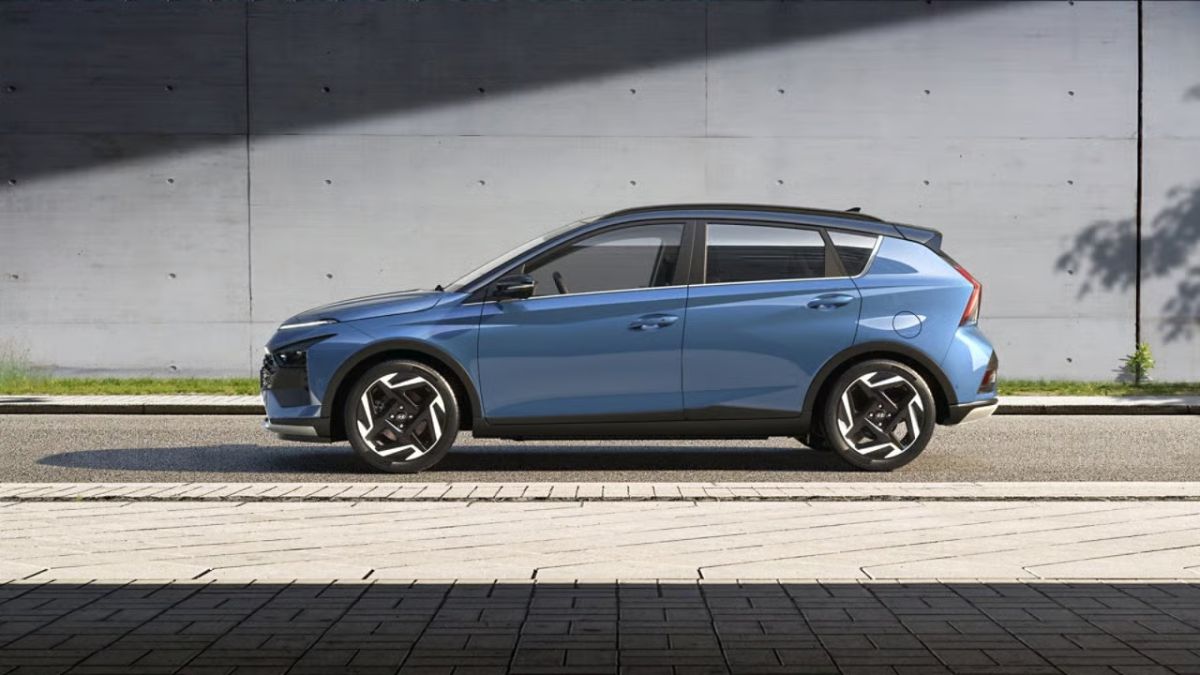
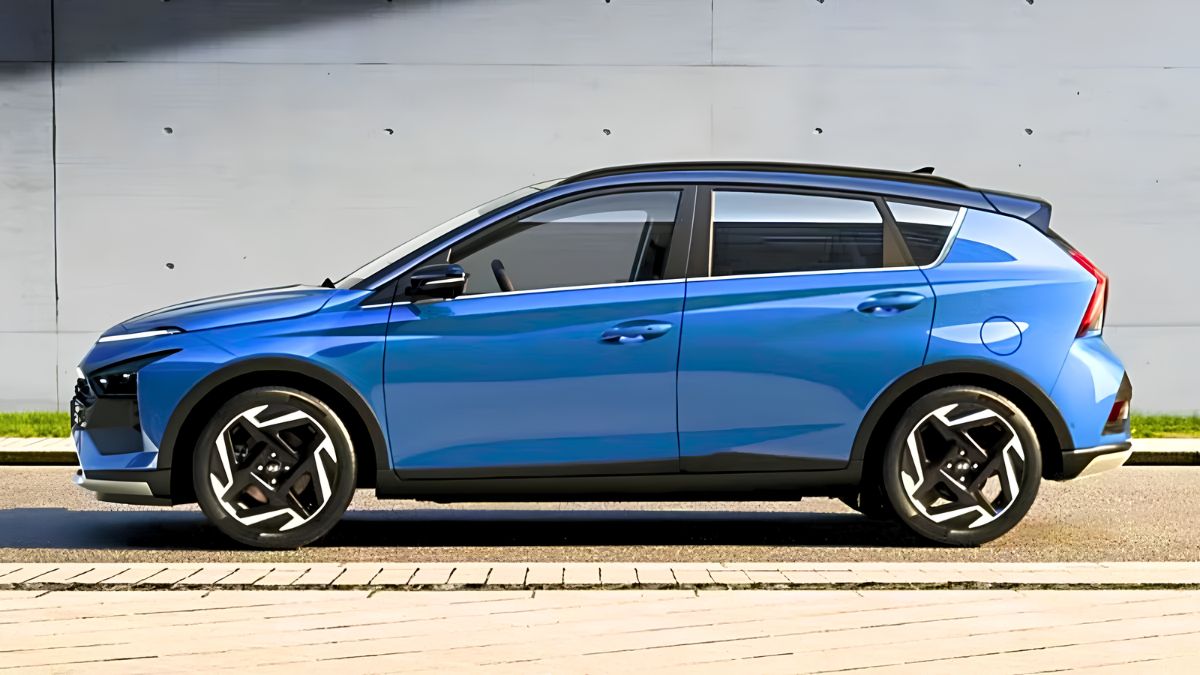
Hyundai is preparing to expand its compact SUV powertrain lineup with a CNG-powered version of the Bayon, expected to launch in January 2027. The upcoming model is likely to target buyers looking for lower running costs without moving away from the practicality of an SUV. With petrol versions starting at around Rs. 10 lakh, the CNG variant could offer an alternative for motorists who travel frequently and want to reduce fuel expenses.
The upcoming Hyundai Bayon CNG is expected to be available in most variants, excluding the top-spec trim. While Hyundai has yet to reveal the official mileage, detailed specifications or final pricing, the powertrain is expected to draw on a setup already used in the Kia Carens Clavis CNG.
Launch
The Hyundai Bayon CNG is expected to arrive in January 2027, making it a significant addition to the model’s powertrain options. The launch would give buyers another choice in a market where CNG vehicles are increasingly attracting attention due to their potentially lower fuel costs.
The CNG version is expected to be offered across most of the Bayon’s variant lineup, although the highest-spec version may be excluded. This approach could allow Hyundai to offer the alternative fuel option at more accessible price points rather than restricting it to the most expensive trim.
However, the final variant lineup and launch details remain subject to official confirmation from Hyundai.
Engine
The Bayon CNG is expected to use a 1.5-litre naturally aspirated petrol engine adapted to run on compressed natural gas. The related setup in the Kia Carens Clavis CNG produces 94.6bhp and 123.2Nm of torque.
These figures provide an indication of what the Hyundai model’s powertrain could offer, but Hyundai has not confirmed the Bayon CNG’s final engine output. Performance figures could differ depending on the manufacturer’s calibration and specifications.
The CNG version is expected to be paired with a six-speed manual transmission, similar to the Kia Carens Clavis CNG. An automatic transmission option has not been confirmed in the information currently available.
For buyers prioritising everyday usability, the combination of a naturally aspirated engine and manual gearbox could provide a straightforward alternative to a conventional petrol model.
Mileage
Fuel efficiency is likely to be one of the most important factors for prospective Hyundai Bayon CNG buyers. CNG can offer lower fuel costs than petrol in many locations, although the actual savings depend on local fuel prices, driving conditions and annual distance travelled.
Hyundai has not announced an official mileage figure for the Bayon CNG. The Kia Carens Clavis CNG, which uses a related powertrain setup, also did not have an official mileage figure disclosed in the source information at the time of reporting.
As a result, buyers should wait for certified or manufacturer-released figures before comparing the Bayon CNG with rival vehicles. Real-world efficiency will also depend on traffic, driving style, vehicle load and the availability of CNG stations.
Tank
The Hyundai Bayon CNG is expected to feature a 60-litre CNG tank installed in the boot, following the arrangement used in the Kia Carens Clavis CNG.
The vehicle is also expected to use Hyundai’s HY-CNG packaging system. This could be an important part of the model’s packaging strategy, although the exact design and its impact on luggage capacity have not yet been confirmed.
Installing a CNG tank in the boot can reduce the space available for luggage, making storage practicality an important consideration for families and frequent travellers. Hyundai’s final specifications should clarify how much boot space remains and how the system is integrated into the vehicle.
Pricing
The petrol-powered Hyundai Bayon range is reported to start at around Rs. 10 lakh. The CNG variant is expected to command a premium of approximately Rs. 1 lakh over the equivalent petrol version.
Based on that estimate, the entry-level CNG version could start at around Rs. 11 lakh if the petrol variant used for comparison costs Rs. 10 lakh. This is an indicative calculation, not an official price announcement.
| Detail | Expected information |
|---|---|
| Expected launch | January 2027 |
| Petrol range starting price | Around Rs. 10 lakh |
| Estimated CNG premium | Around Rs. 1 lakh |
| Indicative starting price for CNG | Around Rs. 11 lakh |
| Expected engine | 1.5-litre naturally aspirated petrol adapted for CNG |
| Related powertrain reference | Kia Carens Clavis CNG |
| Related engine output | 94.6bhp and 123.2Nm |
| Expected transmission | Six-speed manual |
| Expected CNG tank | 60 litres |
| Official mileage | Not announced |
The estimated price could change when Hyundai confirms the variant lineup and final specifications.
Competition
CNG has become an increasingly important option in India’s passenger vehicle market, particularly for buyers who want to manage their fuel budgets. The Bayon CNG could help Hyundai reach customers who might otherwise choose a petrol vehicle or consider a competing CNG model.
The expected launch also comes amid changes across Hyundai’s SUV range. With the Creta expected to enter a new generation in 2027 and potentially move higher in price, a CNG-equipped Bayon could give the company another way to address buyers seeking a different combination of affordability and running costs.
However, the Bayon CNG’s market position will depend on its final pricing, fuel efficiency, equipment levels and practicality. Buyers are likely to compare these factors with the purchase price and running costs of competing models before making a decision.
Outlook
The Hyundai Bayon CNG could appeal to drivers who want an SUV with the potential for lower fuel expenses. Its expected January 2027 launch, manual transmission and anticipated 60-litre CNG tank provide an initial picture of what the model may offer.
For now, the expected Rs. 1 lakh premium over the equivalent petrol variant is only an estimate. Hyundai has yet to confirm the final price, mileage, engine output, boot capacity and complete variant lineup. Those details will be important in determining whether the CNG model offers enough savings and practicality to justify the additional upfront cost.
Until the official announcement, buyers should treat the specifications and pricing as expected rather than final.
FAQs
When will the Hyundai Bayon CNG launch?
It is expected to launch in January 2027.
What is the expected Bayon CNG price?
It could cost around Rs. 1 lakh more than the equivalent petrol variant.
Which engine is expected in the Bayon CNG?
It is expected to use a 1.5-litre naturally aspirated petrol engine adapted for CNG.
What transmission could the Bayon CNG get?
A six-speed manual transmission is expected.

Has Hyundai announced the Bayon CNG mileage?
No, an official mileage figure has not been announced.