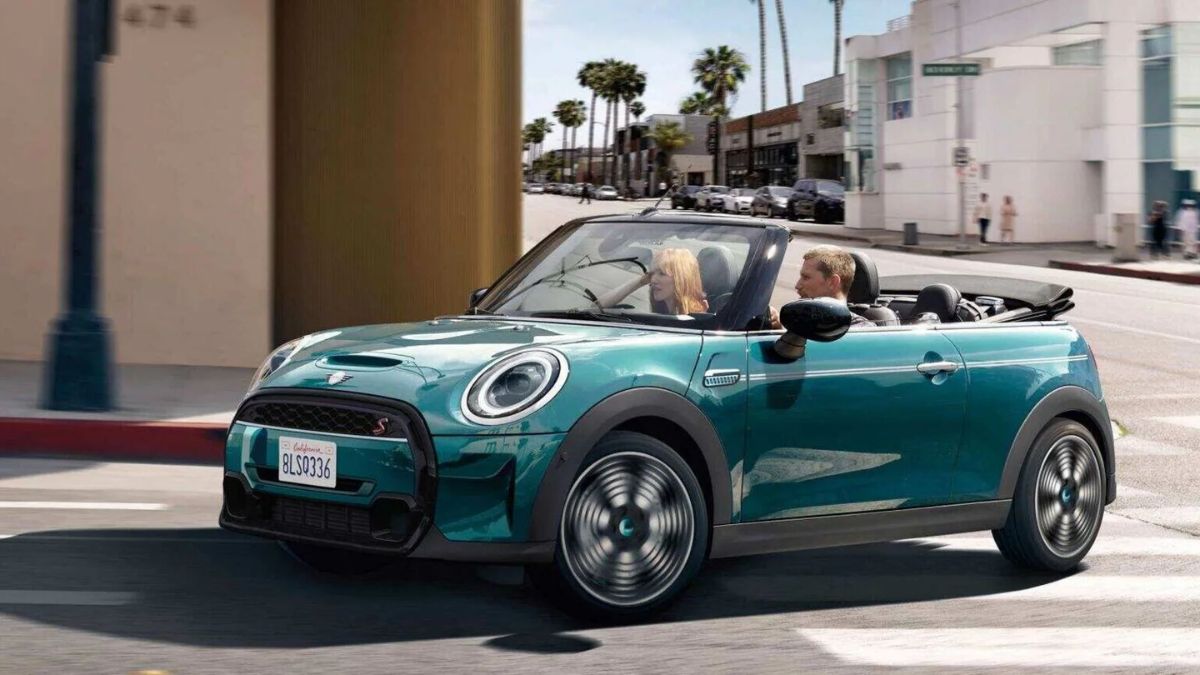
Convertibles have traditionally occupied a niche space in India’s automotive market. Practical challenges such as extreme weather, road conditions, and urban congestion have limited their appeal. Despite this, BMW Group is expanding its convertible portfolio, with both BMW and Mini placing renewed emphasis on open-top driving experiences. This shift reflects changing consumer preferences rather than a sudden transformation in market conditions.
Context
At first glance, the Indian environment does not appear suitable for convertibles. High temperatures, dust, and traffic density reduce the practicality of driving with the roof down. For many buyers, these factors outweigh the benefits of open-air motoring.
However, luxury car buying patterns are evolving. Convertibles are no longer evaluated purely on utility. Instead, they are increasingly viewed as lifestyle products that serve a specific purpose within a broader vehicle portfolio.
Shift
BMW’s approach highlights a clear transition in how convertibles are positioned. Earlier models such as the Z4 focused on being compact, performance-oriented roadsters. While visually distinctive, they offered limited practicality and were often treated as occasional-use vehicles.
The introduction of models like the BMW M440i convertible represents a different direction. It combines performance with added usability, including rear seating and improved ride comfort. This positions the car closer to a grand tourer than a traditional roadster.
| Model | Type | Power Output | Key Feature |
|---|---|---|---|
| BMW Z4 | Roadster | 335 bhp | Two-seater design |
| BMW M440i | Convertible | 369 bhp | Four-seat usability |
This shift suggests that BMW is aiming to make convertibles more adaptable to everyday use, even if only for occasional driving.
Mini
Mini’s strategy differs in tone and intent. Rather than focusing on practicality, the brand continues to emphasize driving experience and emotional appeal.
The Mini Cooper S convertible retains its compact proportions and energetic character. It is not positioned as a primary vehicle but as a secondary or leisure-focused option. This aligns with Mini’s broader identity, which prioritizes distinctive design and engaging driving dynamics over conventional practicality.
In this sense, Mini’s approach complements BMW’s. While BMW expands usability, Mini reinforces the emotional aspect of convertible ownership.
Demand
The renewed focus on convertibles is closely linked to changes in buyer behavior. The modern luxury car buyer in India often owns multiple vehicles, each serving a different purpose.
A typical garage may include:
- A premium SUV for daily use
- An electric vehicle for commuting
- A lifestyle-oriented car for leisure
Within this context, a convertible fits as a discretionary purchase. It is not expected to perform all roles but to deliver a specific experience that other vehicles cannot.
Timing
The timing of this shift is significant. As incomes rise and the luxury market matures, buyers are increasingly willing to explore niche segments. The emphasis has moved from necessity to personalization.
Convertibles benefit from this trend because they offer a distinct form of expression. Even limited usage, such as early morning or late evening drives, can justify ownership for buyers seeking variety in their driving experience.
Branding
For BMW Group, the expansion of convertibles is also a branding exercise. These vehicles generate visibility and reinforce the aspirational value of the brand.
A convertible in motion tends to attract attention, particularly in urban settings. This visibility contributes to brand perception in ways that conventional models may not. As a result, even modest sales volumes can have a broader marketing impact.
Outlook
Convertibles are unlikely to become mainstream in India due to structural limitations. However, their role within the luxury segment is evolving. They are transitioning from novelty items to curated lifestyle products.
BMW’s focus on usability and Mini’s emphasis on emotional engagement represent two complementary strategies within this space. Together, they address different aspects of consumer demand while maintaining the exclusivity associated with convertibles.
The broader implication is that the Indian luxury car market is becoming more segmented and experience-driven. Buyers are no longer constrained by practicality alone and are increasingly open to vehicles that serve specific, even occasional, purposes. In this environment, convertibles find renewed relevance, not as everyday solutions, but as expressions of choice and individuality.
FAQs
Are convertibles practical in India?
They are limited but usable for short drives.
Why is BMW expanding convertibles?
To target lifestyle-focused luxury buyers.
What is M440i power output?
It produces around 369 bhp.
Who buys convertibles in India?
Mostly multi-car luxury buyers.
Is Mini convertible practical?
It focuses more on fun than practicality.