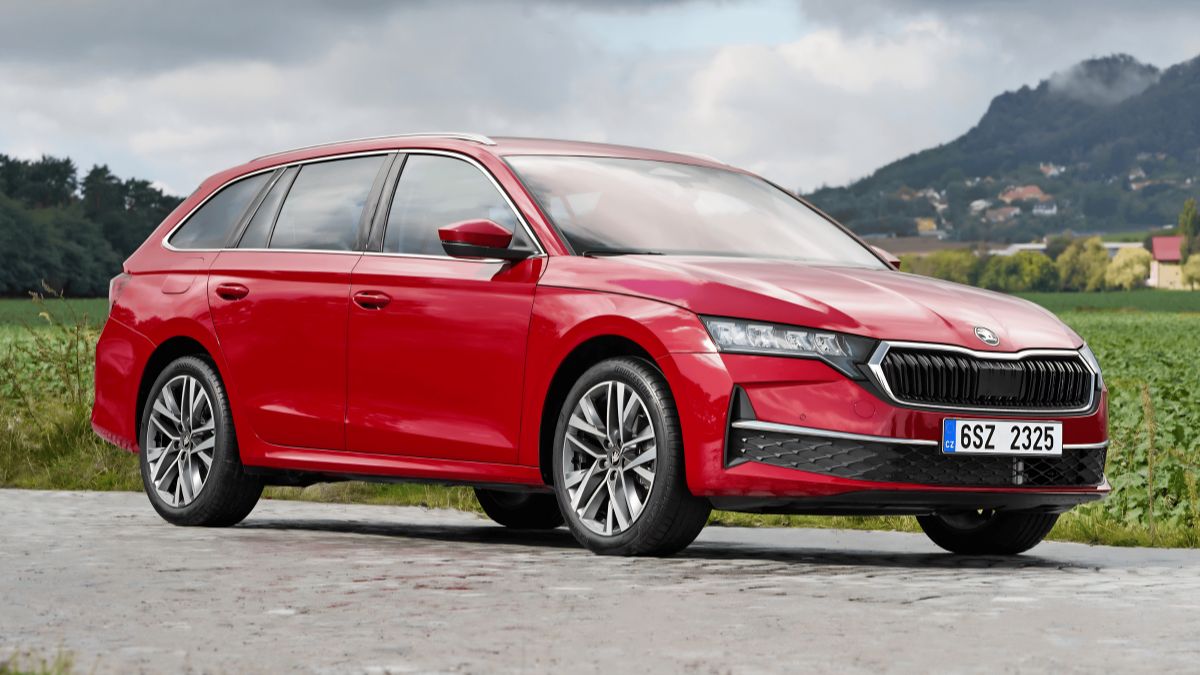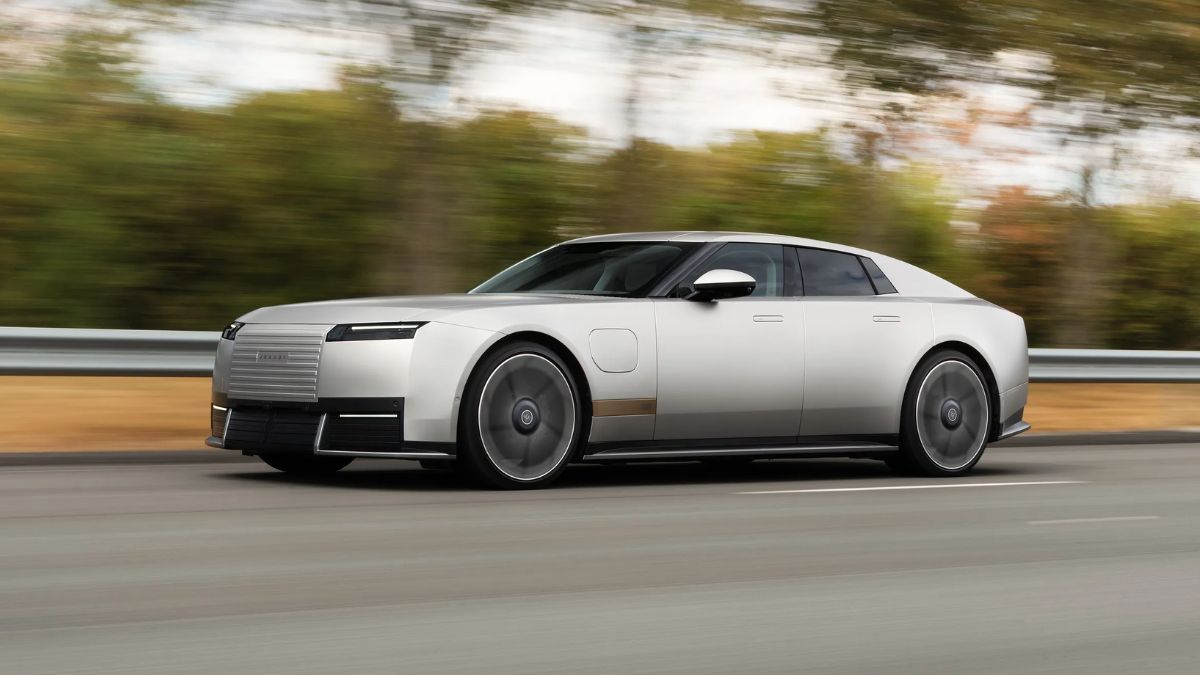
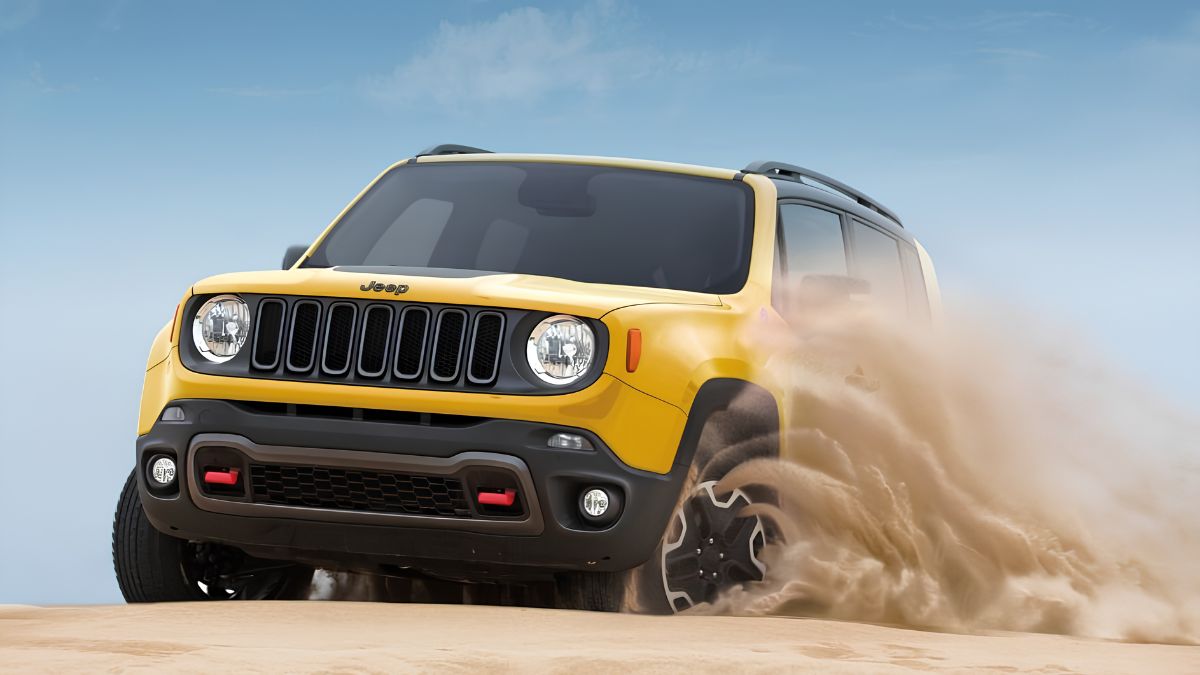
Jeep could be exploring a new opportunity to strengthen its position in India’s competitive SUV market, and Tata Motors may have a role to play. With the two automakers expanding their existing partnership to include vehicle technology and product development, the possibility of a future Jeep SUV using Tata’s ARGOS platform has become an interesting prospect.
The architecture underpins the new Tata Sierra and has been designed to accommodate different powertrain options. If Jeep decides to use it for an upcoming model, the platform could help the American brand develop a more affordable SUV positioned below the Compass. Such a vehicle could take on popular rivals like the Hyundai Creta and Kia Seltos.
However, there is an important distinction between a potential opportunity and a confirmed product. Neither company has officially announced a Jeep SUV based on the Sierra’s platform. For now, the idea remains a possibility arising from their expanded partnership.
Partnership
Tata Motors and Jeep’s parent company, Stellantis, have expanded their long-standing relationship to cover vehicle technology and product development. Although the agreement does not identify a specific upcoming Jeep model, it creates room for greater collaboration between the two companies.
For Jeep, this could be particularly valuable in India, where vehicle prices play a major role in purchasing decisions. The Compass offers capable performance and established brand appeal, but its premium positioning limits its reach among buyers shopping for a mid-size SUV.
Developing a new vehicle around an existing architecture could help reduce the time, investment and engineering work required to bring a product to market. Rather than creating an entirely new platform, Jeep could potentially adapt Tata’s technology to suit its own requirements.
The agreement also reportedly targets vehicle development for more than 50 global markets, suggesting that the collaboration could have applications beyond India. Whether a Jeep model emerges from this arrangement, however, remains to be seen.
Platform
The Tata Sierra’s ARGOS architecture appears to be a potential fit for a future Jeep SUV because of its flexibility. Designed for mid-size vehicles, the platform can accommodate internal combustion engines and electric powertrains. It also supports all-wheel-drive configurations, an important consideration for a brand associated with off-road capability.
This flexibility could allow Jeep to explore multiple versions of a new SUV without developing a separate architecture for every powertrain. A conventional petrol-powered model could target mainstream buyers, while an electric version might offer an alternative as India’s EV market develops.
Using ARGOS would not automatically make a Jeep cheaper, though. The final cost would depend on factors such as component sharing, manufacturing arrangements, engineering changes and the level of differentiation between the Tata and Jeep products.
Even so, an existing platform could provide a more practical starting point than developing a completely new vehicle architecture from scratch.
Alternatives
Tata Motors has other vehicle platforms, but each comes with its own considerations.
The architecture used by the Tata Nexon is associated with a smaller SUV, making it less obvious as a foundation for a larger model aimed at the mid-size segment. Meanwhile, the OMEGARC platform used by the Harrier and Safari is derived from Land Rover’s D8 architecture.
OMEGARC could offer a suitable foundation in terms of vehicle size and capability. However, adapting it for a more affordable Jeep would require careful consideration of engineering costs and product positioning.
The Sierra’s ARGOS platform could offer a more balanced route if the goal is to develop a modern, competitively priced SUV with flexible powertrain options. It could potentially allow Jeep to build a vehicle with its own character while benefiting from an established technical foundation.
That said, platform suitability alone does not confirm that Jeep will select ARGOS for its next Indian SUV.
Design
If a new Jeep does use the Sierra’s architecture, buyers should not expect a Tata Sierra with a different badge.
Sharing a platform typically means using common underlying engineering, rather than producing identical vehicles. Jeep would still need to create its own exterior design, interior layout, driving characteristics and suspension tuning.
The model would also need to reflect Jeep’s identity. Its styling, seating position, driving experience and approach to capability would help distinguish it from Tata’s offerings.
For a vehicle positioned below the Compass, the challenge would be to combine everyday practicality with the rugged image buyers associate with Jeep. It would need to feel comfortable and convenient in urban traffic while offering enough capability to stand apart from conventional family SUVs.
The extent of component sharing, as well as the final design and equipment list, has not been announced.
Rivals
A more affordable Jeep SUV could give the brand a direct opportunity to compete in one of India’s most popular vehicle segments.
The Hyundai Creta and Kia Seltos attract buyers with their combination of modern features, comfortable cabins, multiple powertrain choices and broad appeal. They also compete in a price-sensitive category where running costs, after-sales support and resale value can influence purchasing decisions.
Jeep would need to get several things right to challenge these established rivals. Competitive pricing would be essential, but the vehicle would also need a well-equipped cabin, practical dimensions, efficient powertrains and a dependable ownership experience.
A petrol-powered variant could be particularly important in reaching buyers who are not ready to switch to an electric vehicle. An electric derivative, if developed, could help Jeep broaden its appeal to customers interested in newer powertrain technology.
The brand’s reputation for SUV capability could be another advantage, provided the vehicle delivers meaningful benefits rather than relying on rugged styling alone.
Pricing
Pricing could ultimately determine whether a new Jeep SUV succeeds where the Compass has struggled to reach a wider audience.
The Compass occupies a more premium position than many mainstream mid-size SUVs. Buyers who prioritise features and value for money may therefore gravitate towards the Creta or Seltos, even if they find Jeep’s brand appeal attractive.
An SUV positioned below the Compass could address this gap. Sharing an architecture with Tata Motors might help manage development costs, although the actual price would depend on the final specification, manufacturing strategy and business case.
Jeep would also need to strike a balance between affordability and brand positioning. Cutting too many features or compromising the driving experience could weaken the appeal of the product, while pricing it too close to the Compass could limit its ability to attract new customers.
A competitive price, combined with recognisable Jeep styling and practical everyday usability, would be critical to its success.
Prospects
The idea of a more affordable Jeep is not entirely new. There have previously been discussions around the possibility of an entry-level SUV using a Citroen platform. The expanded relationship with Tata could create another potential route for developing such a product.
For Jeep, a partnership-based approach could reduce some of the challenges associated with developing a vehicle independently. For Tata Motors, broader collaboration could create additional opportunities to use its vehicle technology and engineering capabilities.
However, there are still many unanswered questions. The companies have not confirmed a Sierra-based Jeep, and there is no official information about its launch date, design, engine options or expected price.
Any future product would also need to meet Jeep’s global engineering requirements while making commercial sense in India. Those decisions would determine whether the ARGOS platform becomes the foundation for a new model or remains an interesting possibility.
If the collaboration eventually produces a more affordable SUV, Jeep could gain access to a much larger group of Indian buyers. The opportunity is promising, but its success would depend on more than sharing a platform. The right price, distinctive design, useful features and convincing driving experience would all be essential to challenging the Hyundai Creta and Kia Seltos.