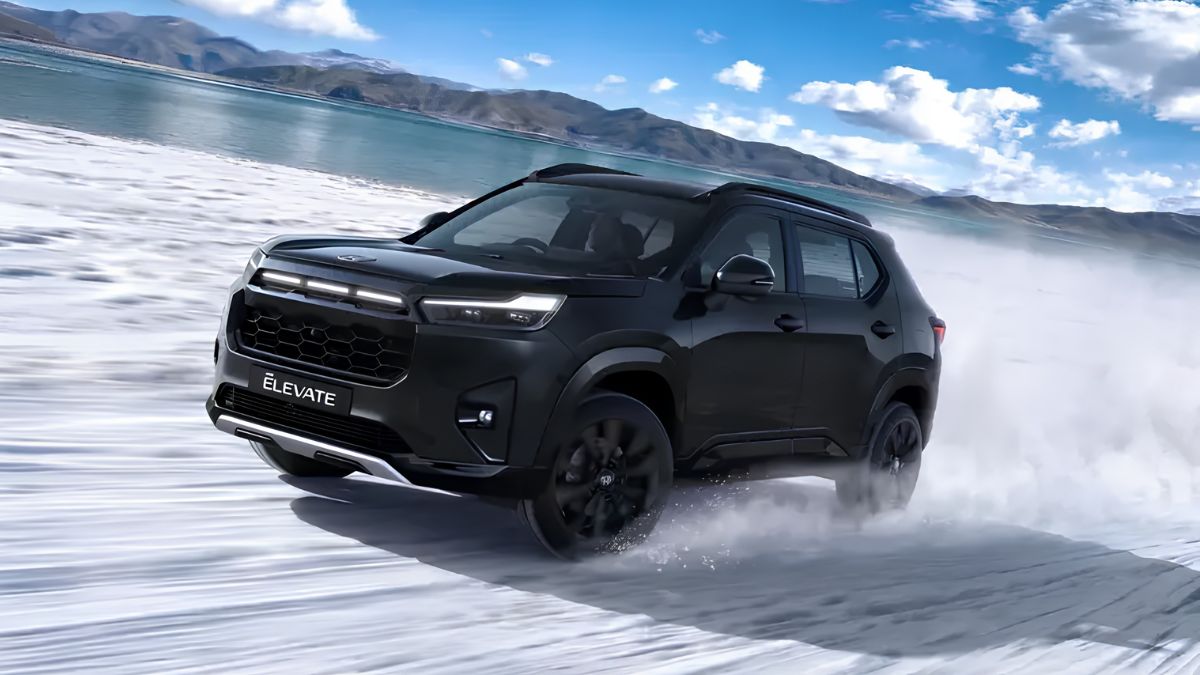
The Honda Elevate facelift brings several important upgrades to the popular midsize SUV, addressing some of the features that buyers felt were missing from the earlier model. From ventilated seats for both rows to powered front seats and additional safety equipment, the updated SUV aims to deliver a more premium ownership experience. However, not every change is likely to win over buyers. Its refreshed styling may divide opinions, while the absence of alternative powertrains continues to be a notable drawback in a competitive segment.
Priced between Rs. 11.80 lakh and Rs. 18.40 lakh (ex-showroom), the updated Honda Elevate has plenty going for it. But does the facelift do enough to strengthen its position against rivals? Here is a closer look at its biggest hits and misses.
Features
One of the most welcome improvements to the Honda Elevate facelift is its expanded feature list. The earlier version missed out on several comfort and convenience features that buyers increasingly expect from a modern midsize SUV. The facelift addresses some of those shortcomings, making the package more competitive.
The addition of ventilated seats for both the front and rear rows is particularly significant. In a country where summer temperatures can climb sharply, seat ventilation can make everyday driving more comfortable. Offering the feature to rear passengers is an added advantage for families who regularly travel with multiple occupants.
Powered front seats are another useful addition. They make it easier for drivers and front passengers to find a comfortable seating position, while also adding a more premium feel to the cabin. These upgrades help the Elevate better match the expectations of buyers shopping in this price bracket.
Comfort
The introduction of front and rear-seat ventilation deserves special attention because it addresses a genuine everyday need. While some features may look impressive on a specification sheet, seat ventilation can make a noticeable difference during long journeys and hot weather.
Powered front seats also improve convenience, especially for households where more than one person regularly drives the SUV. Adjusting the seating position becomes easier, helping drivers find a comfortable posture before setting off.
Together, these additions make the facelift feel like a more considered product. Honda has focused on features that can improve the ownership experience rather than relying entirely on cosmetic changes.
Safety
The facelift also benefits from a collection of equipment upgrades that improve convenience and strengthen its overall appeal. These include rear disc brakes, an automatic hold function, and a 360-degree camera.
Rear disc brakes can contribute to effective braking performance, although the actual stopping ability of a vehicle depends on the complete braking system, tyres, road conditions, and other factors. Their addition is nevertheless a welcome hardware update.
The automatic hold function is useful in stop-and-go traffic. It helps keep the vehicle stationary after the driver brings it to a halt, reducing the need to keep pressing the brake pedal while waiting at traffic signals.
Meanwhile, a 360-degree camera can make parking easier by providing a view of the area around the vehicle. This is particularly helpful in tight urban spaces, crowded parking lots, and narrow residential lanes.
A wireless charger rounds out the convenience upgrades. Although it may not be a deciding factor for every buyer, it reduces cable clutter and makes charging compatible smartphones easier.
Styling
The facelift’s design is one area where opinions are likely to differ. Honda has retained the familiar overall silhouette, so the Elevate remains recognisable as the same SUV. However, changes to the front-end styling give it a different visual character.
The three light bars on the grille are among the most noticeable elements of the updated design. While some buyers may appreciate the fresh appearance, others may find the treatment less appealing than the earlier look.
That makes the styling a subjective miss rather than a clear-cut flaw. Exterior design is a personal choice, and buyers who prefer a more conventional appearance may need to see the updated SUV in person before making a decision.
The challenge for Honda is to refresh the Elevate without losing the visual qualities that originally attracted customers. The facelift adds distinction, but whether that distinction is an improvement will depend on individual taste.
Engine
The biggest limitation remains the lack of powertrain diversity. The Honda Elevate continues to use a 1.5-litre naturally aspirated petrol engine that produces 119 bhp and 145 Nm of torque.
This engine provides a straightforward petrol-powered proposition, but buyers do not get the choice of a factory-fitted CNG version, a turbo-petrol engine, or a diesel powertrain within the Elevate range described here.
That matters because buyers have different priorities. Some want the convenience of petrol, others seek lower running costs through CNG, while drivers who prioritise stronger performance may prefer a turbocharged engine. Diesel options can also appeal to people who cover long distances regularly.
By sticking with a single engine configuration, Honda keeps the decision relatively simple but limits the number of buyers it can attract. Rivals offering different fuel and performance options may have an advantage when customers compare vehicles according to their daily driving needs.
Hybrid
Another missed opportunity is the absence of a strong-hybrid option. Honda already offers strong-hybrid technology in the City, but that technology has not been extended to the Elevate in the lineup described here.
A hybrid Elevate could have appealed to buyers looking for better fuel efficiency, particularly in city traffic where conventional petrol engines may consume more fuel. It could also have helped Honda distinguish the SUV from competitors that focus primarily on conventional petrol powertrains.
However, adding hybrid technology is not as simple as transferring an engine from one model to another. Packaging, development costs, pricing, and the need to maintain a competitive retail price all influence whether a hybrid variant makes commercial sense.
Even so, the lack of a hybrid option is noticeable in a market where fuel efficiency is an important purchase consideration. A hybrid variant could have expanded the Elevate’s appeal, provided Honda could price it attractively.
Pricing
The Honda Elevate facelift is priced between Rs. 11.80 lakh and Rs. 18.40 lakh, ex-showroom. Its revised equipment list gives buyers more reasons to consider the SUV, particularly if comfort and convenience features are high on their shopping list.
The added equipment also helps address some of the criticism directed at the earlier model. However, buyers should compare variant-wise features, transmission availability, and on-road prices before making a decision. The most expensive variant may not necessarily be the best value for every household.
| Key specification | Honda Elevate facelift |
|---|---|
| Ex-showroom price | Rs. 11.80-18.40 lakh |
| Engine | 1.5-litre naturally aspirated petrol |
| Maximum power | 119 bhp |
| Peak torque | 145 Nm |
| Seat ventilation | Front and rear rows |
| Additional features | Powered front seats, wireless charger, 360-degree camera, auto-hold and rear disc brakes |
Ultimately, the Honda Elevate facelift is a meaningful update that improves the SUV in areas owners are likely to appreciate every day. Ventilated seats for both rows, powered front seats, and added convenience equipment make it feel more complete than before. Yet the polarising grille design and limited powertrain choices prevent it from being a comprehensive upgrade. For buyers who want a well-equipped petrol SUV, the refreshed Elevate remains worth considering, but those seeking a hybrid, diesel, CNG, or turbo-petrol option may need to look elsewhere.