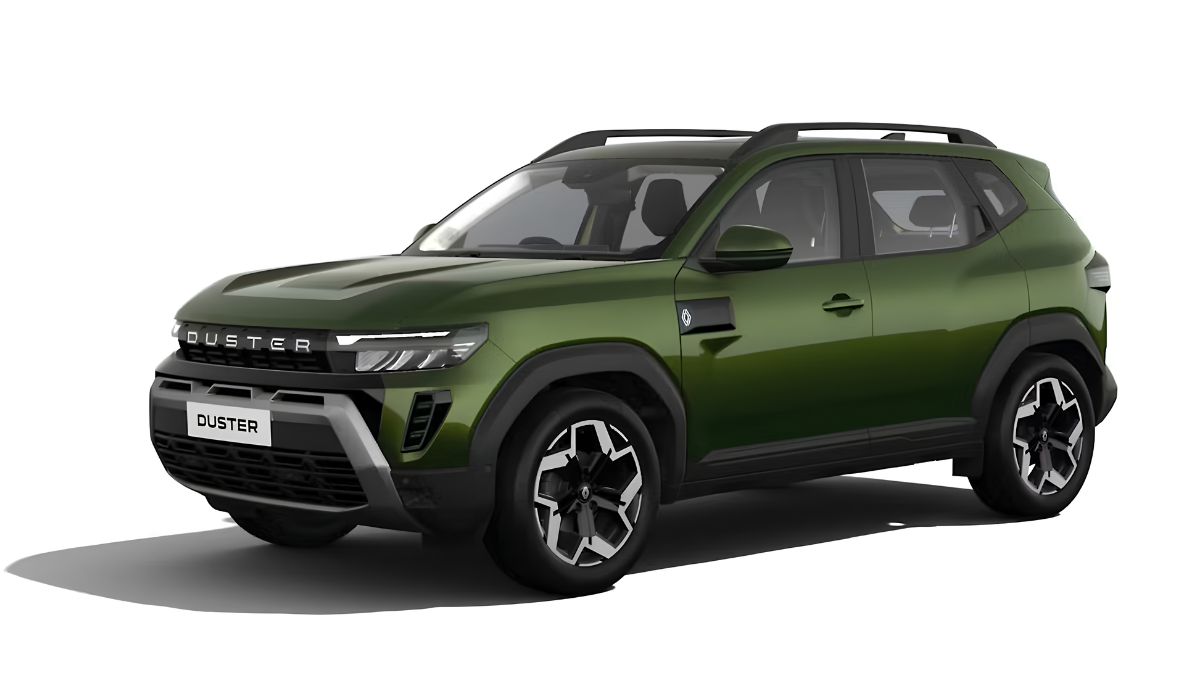

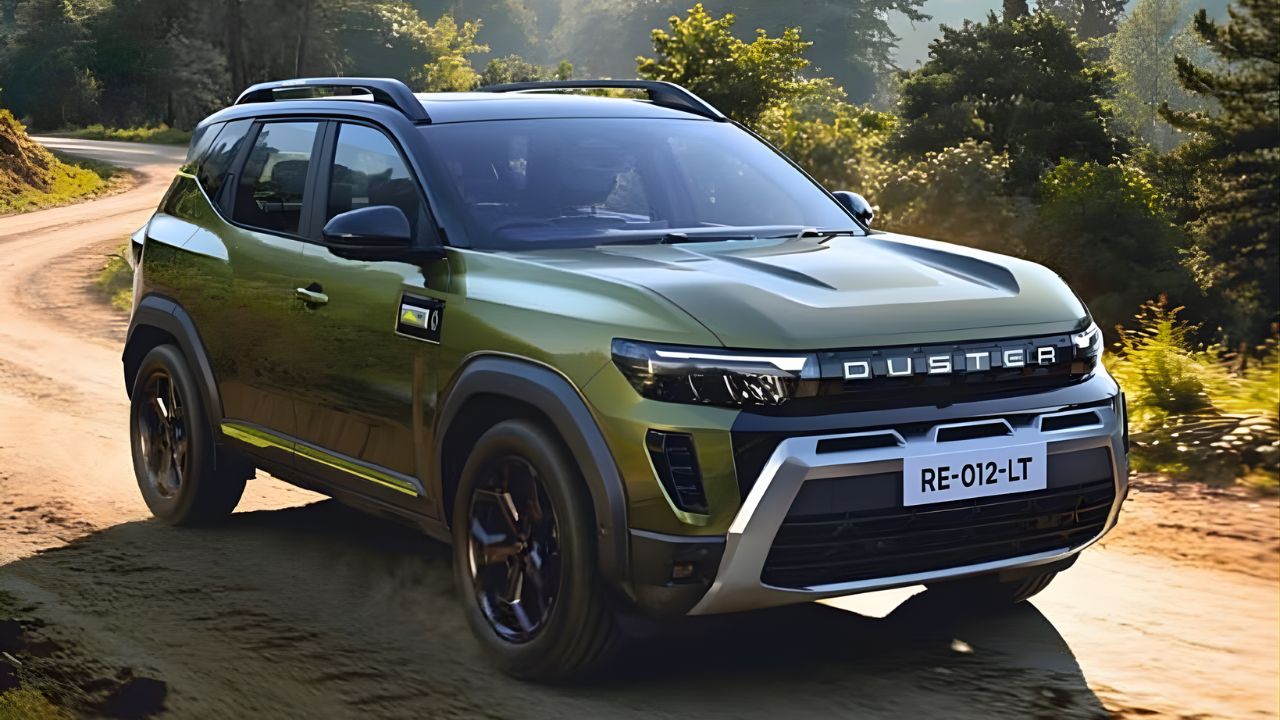
The Renault Duster has re-entered the Indian automotive market after a four-year absence, marking an important development in the mid-size SUV segment it helped shape.
Known for its durability and practical appeal, the Duster now returns with updated styling, improved technology, and new powertrain options.
With deliveries of the turbo-petrol variants already underway, the model is once again being positioned as a competitive offering in a crowded category.
Launch
Renault India launched the third-generation Duster on March 17, 2026, with a starting price of Rs 10.49 lakh (ex-showroom). Customer deliveries for the turbo-petrol versions began shortly thereafter, indicating a relatively quick transition from launch to market availability.
Pre-bookings were conducted through Rs 21,000 R Pass vouchers, and early reports from dealerships suggest a steady conversion rate into confirmed sales. This initial response reflects continued awareness of the Duster nameplate among Indian buyers.
Platform
The new Duster is based on the Renault Group Modular Platform (RGMP), which has been adapted for Indian driving conditions.
This platform is designed to support durability and structural safety, with Renault indicating the potential for a high safety rating.
Dimensionally, the SUV measures 4,346 mm in length and has a wheelbase of 2,657 mm. It also offers a ground clearance of 212 mm, which remains a key attribute for uneven road conditions.
| Feature | Specification |
|---|---|
| Length | 4,346 mm |
| Wheelbase | 2,657 mm |
| Ground Clearance | 212 mm |
| Approach Angle | 26.9° |
| Departure Angle | 34.7° |
The approach and departure angles indicate that the vehicle retains its capability for light off-road usage, which has traditionally been one of its distinguishing features.
Engine
Renault is offering two turbo-petrol engine options with the new Duster, providing a choice between efficiency-focused and performance-oriented configurations.
| Engine Variant | Power | Torque | Transmission |
|---|---|---|---|
| Turbo TCe 100 | 100 hp | 160 Nm | Manual |
| Turbo TCe 160 | 163 hp | 280 Nm | Manual/DCT |
The Turbo TCe 100 variant is positioned as the entry-level option, suitable for everyday urban use. The more powerful Turbo TCe 160 variant is available with both manual and dual-clutch automatic transmissions, offering greater flexibility for different driving preferences.
Interior
The cabin of the new Duster reflects a shift towards a more technology-focused and premium experience. It features a 10.1-inch OpenR Link touchscreen system with integrated Google services, enabling navigation, voice commands, and app connectivity.
In addition, a 10.25-inch digital instrument cluster provides driving information in a clear and customizable format. Renault has also included over 60 connected features, aligning the Duster with current expectations in this segment.
Features
The updated Duster includes several features aimed at improving comfort and convenience for occupants. These include ventilated front seats, a panoramic sunroof, and dual-zone climate control.
Other additions, such as a powered tailgate, enhance usability in daily scenarios. The model is also equipped with 17 Advanced Driver Assistance Systems (ADAS) features, including adaptive cruise control, which contribute to driver support and safety.
Hybrid
The Strong Hybrid E-Tech 160 variant of the Duster has been announced, but will not be immediately available. This version combines a 1.8-litre petrol engine with an electric motor, producing a combined output of 160 hp.
Renault has indicated that this hybrid variant is expected to be introduced around Diwali 2026. The delay is attributed to adjustments in production planning and further refinement of the 1.4 kWh battery system.
This approach suggests a focus on ensuring system efficiency and reliability before market introduction.
Competition
The mid-size SUV segment in India remains highly competitive, with several established models competing for market share.
The Duster will face competition from vehicles such as the Hyundai Creta, Kia Seltos, Tata Sierra, Maruti Suzuki Grand Vitara, Toyota Urban Cruiser Hyryder, Honda Elevate, and Volkswagen Taigun.
Within this segment, the Duster’s positioning continues to emphasise a balance between on-road comfort and off-road capability. Its design and engineering approach differentiate it from some rivals that are more focused on urban usage.
Pricing
The pricing of the new Duster ranges from Rs 10.49 lakh to Rs 18.69 lakh (ex-showroom), placing it within the mainstream bracket of the segment.
| Variant Range | Price (Ex-showroom) |
|---|---|
| Base Model | Rs 10.49 lakh |
| Top Model | Rs 18.69 lakh |
This pricing strategy allows Renault to target a broad set of buyers, from those seeking an entry-level SUV to those interested in higher-end variants with additional features.
The return of the Renault Duster reflects a measured attempt to re-establish its presence in a segment that has evolved significantly in recent years.
With updated technology, improved features, and a continued focus on practicality, the model aims to remain relevant to current consumer expectations.
While the delayed hybrid variant may affect some purchase decisions, the available turbo-petrol options provide a complete offering for now. The coming months will indicate how effectively the Duster adapts to present-day competition.
FAQs
What is the starting price of the new Duster?
Rs 10.49 lakh ex-showroom.
When will the hybrid Duster launch?
Expected by Diwali 2026.
What engines are available?
Turbo TCe 100 and TCe 160 engines.
Does it have ADAS features?
Yes, it offers 17 ADAS features.
What is ground clearance?
It offers 212 mm clearance.