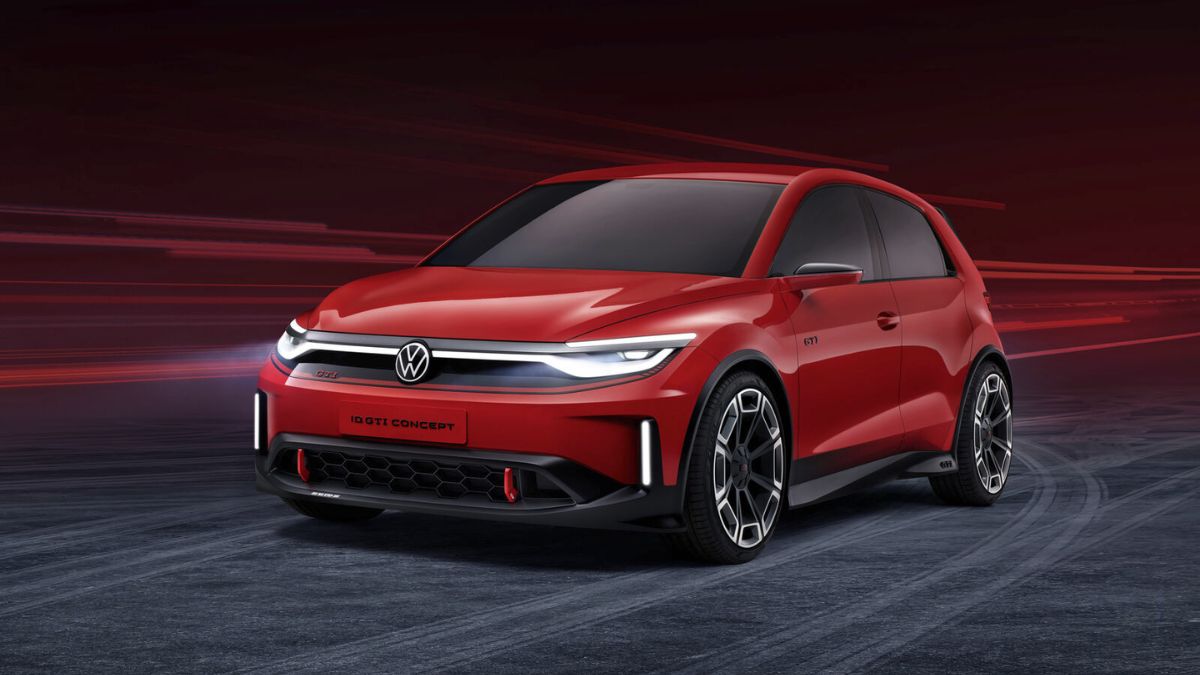
Volkswagen has revealed the all-electric ID. Polo GTI, offering an early look at the company’s future approach to compact electric performance cars. The new model combines familiar GTI styling cues with electric power and modern technology, while also highlighting Volkswagen’s evolving strategy for small EVs.
Built on Volkswagen’s updated MEB+ platform, the ID. Polo GTI aims to balance efficiency, practicality, and driving engagement. The car retains several traditional GTI characteristics, including front-wheel drive, sporty suspension tuning, and distinctive interior elements associated with earlier GTI models.
The reveal comes at a time when many manufacturers are working to preserve the appeal of performance hatchbacks while transitioning toward electric mobility.
Design
The exterior design of the ID. Polo GTI follows Volkswagen’s established GTI formula while incorporating elements commonly seen on modern EVs. The hatchback features a compact shape, aerodynamic bodywork, sporty bumpers, and signature red accents.
The overall proportions remain close to those of a traditional small hatchback, helping the vehicle maintain a familiar appearance despite its electric platform. Volkswagen has also included GTI-specific styling details such as larger alloy wheels and a lower stance to reinforce the performance-oriented character of the car.
Unlike some electric vehicles that focus heavily on futuristic styling, the ID. Polo GTI takes a more restrained approach. The design appears intended to appeal both to existing GTI customers and buyers considering their first performance-oriented EV.
Platform
The ID. Polo GTI is based on Volkswagen’s updated MEB+ architecture, which is designed for the company’s next generation of electric vehicles. The revised platform supports improved battery efficiency, faster charging capability, and better packaging for compact models.
Using the MEB+ platform allows Volkswagen to position the battery beneath the floor without significantly affecting interior space. As a result, the car maintains practical cabin dimensions despite its compact exterior footprint.
The platform also supports performance-focused features such as adaptive suspension systems and electronic differential control.
Here is a summary of the main specifications:
| Specification | Details |
|---|---|
| Platform | MEB+ |
| Battery Pack | 52kWh NMC |
| Power Output | 226bhp |
| Torque | 290Nm |
| 0-100kmph | 6.8 seconds |
| Top Speed | 175kmph |
| WLTP Range | Up to 424km |
| DC Fast Charging | 105kW |
| Charging Time | 10-80% in 24 minutes |
Performance
Volkswagen has focused on maintaining the driving characteristics traditionally associated with GTI models. The ID. Polo GTI uses a front-mounted electric motor producing 226bhp and 290Nm of torque.
According to Volkswagen, the hatchback can accelerate from 0 to 100kmph in 6.8 seconds and reach a top speed of 175kmph. These figures position the car within the performance range expected from modern hot hatchbacks.
One notable aspect of the setup is the decision to retain front-wheel drive instead of adopting a dual-motor all-wheel-drive configuration. Volkswagen appears to have chosen this layout to preserve the handling balance and steering feel commonly associated with earlier GTI models.
To support performance during cornering and acceleration, the vehicle includes an electronically controlled front differential lock. Adaptive DCC sports suspension is also fitted, allowing adjustments to ride and handling characteristics depending on driving conditions.
While electric vehicles are often recognised for straight-line acceleration, Volkswagen’s approach suggests an emphasis on overall driver involvement rather than focusing solely on speed figures.
Interior
Inside the cabin, the ID. Polo GTI combines modern digital technology with references to previous GTI generations. One of the most recognisable features is the use of tartan-pattern upholstery, a long-standing GTI design element.
The cabin also includes red trim accents, sports seats, and digital displays with retro-inspired graphics. These details appear intended to create continuity between the electric model and Volkswagen’s earlier performance hatchbacks.
Alongside the GTI-specific features, the interior includes the technology expected in current electric vehicles. A digital instrument cluster, touchscreen infotainment system, connected car features, and driver assistance technologies are all expected to be part of the package.
Despite the focus on performance, practicality remains an important aspect of the design. The compact dimensions make the car suitable for urban driving, while the interior layout aims to maximise available passenger and luggage space.
Battery
The ID. Polo GTI uses a 52kWh nickel manganese cobalt battery pack. Volkswagen states that the car can deliver a WLTP-certified driving range of up to 424km on a full charge.
This range places the hatchback in a competitive position within the small EV segment, particularly for buyers seeking a balance between performance and everyday usability.
Charging capability is another important aspect of the model. The vehicle supports DC fast charging at speeds of up to 105kW. Under suitable charging conditions, Volkswagen says the battery can charge from 10 to 80 percent in approximately 24 minutes.
For daily use, this level of charging performance could help reduce downtime during longer trips while remaining practical for regular commuting.
Strategy
The introduction of the ID. Polo GTI reflects Volkswagen’s broader strategy for future compact electric vehicles. Rather than positioning small EVs solely as efficient transport solutions, the company appears focused on maintaining emotional appeal and driving enjoyment.
GTI models have historically played an important role in Volkswagen’s lineup by combining affordability, practicality, and performance. As the automotive industry shifts toward electrification, maintaining those qualities in electric form may become increasingly important for brand identity.
The ID. Polo GTI also demonstrates how manufacturers are adapting established performance sub-brands to electric platforms. Instead of creating entirely separate performance EV identities, Volkswagen is continuing to use the GTI name as part of its transition into the electric era.
Market
The market for compact electric performance cars is expected to expand over the coming years as battery technology improves and charging infrastructure becomes more widely available.
Vehicles such as the ID. Polo GTI may appeal to buyers who want the efficiency benefits of an EV without giving up the driving characteristics associated with traditional hot hatchbacks.
At the same time, the model highlights the broader direction of the automotive industry, where manufacturers are attempting to combine sustainability targets with customer demand for engaging and recognisable vehicles.
Volkswagen’s latest concept suggests that future small electric cars may place greater emphasis on character and driving dynamics rather than focusing exclusively on efficiency and range figures.
FAQs
What is the battery size of ID. Polo GTI?
It uses a 52kWh NMC battery pack.
What is the range of the electric GTI?
The WLTP range is up to 424km.
How much power does it produce?
The motor delivers 226bhp and 290Nm.
Does the ID. Polo GTI support fast charging?
Yes, it supports 105kW DC fast charging.
Is the ID. Polo GTI front-wheel drive?
Yes, it retains a front-wheel-drive setup.