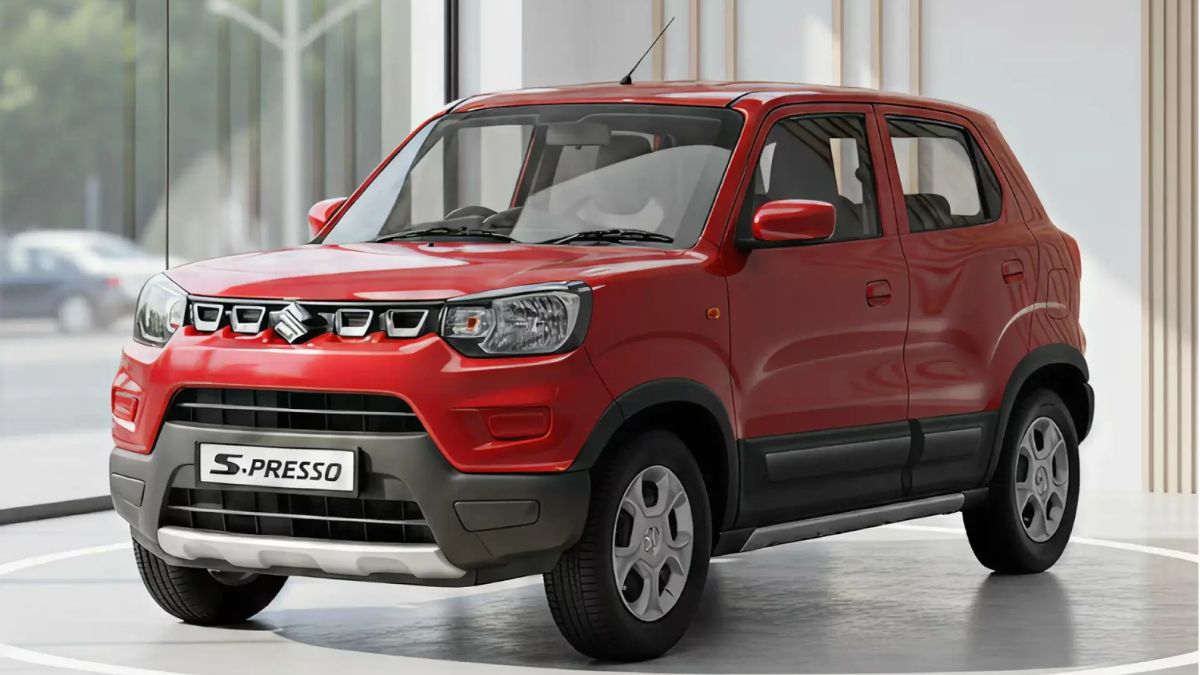
Maruti Suzuki has announced a price increase across its vehicle lineup starting June 2026, marking the company’s first price revision of the year. According to the official corporate filing, prices will go up by as much as Rs. 30,000 depending on the model. The increase will not be uniform across the portfolio, and the final revision will vary from one vehicle to another.
The announcement comes at a time when the automobile industry is facing persistent pressure from rising raw material and operational costs. Maruti Suzuki said it had been managing these increases internally over the past several months through cost reduction efforts. However, with inflationary pressures continuing and the overall cost environment remaining challenging, the company has decided to pass on a portion of the burden to customers.
Hike
The price revision will take effect from June 2026 and will apply to multiple models sold by the company in India. Maruti Suzuki has not yet released model-wise details of the increase, but the maximum revision announced stands at Rs. 30,000.
Here is a quick overview of the development:
| Detail | Information |
|---|---|
| Effective Date | June 2026 |
| Maximum Increase | Up to Rs. 30,000 |
| Applies To | Selected models across lineup |
| Reason | Rising input and operational costs |
| First Hike in 2026 | Yes |
The company also stated that it will continue working to minimize the impact on customers wherever possible.
Pressure
The automotive industry has been dealing with rising production expenses for some time now. Costs linked to steel, aluminum, plastics, electronic components, transportation, and logistics have remained elevated through the past year. These factors directly influence manufacturing expenses and vehicle pricing.
Maruti Suzuki, like many automakers, initially absorbed a large part of these additional costs instead of immediately revising prices. Such measures are generally aimed at maintaining demand and avoiding sudden increases for buyers. However, prolonged inflation and continued supply-side pressures have made it difficult to sustain existing prices.
The latest revision reflects a broader trend visible across the automobile sector, where manufacturers are balancing cost management with market competitiveness.
Context
The timing of this increase is particularly notable because Maruti Suzuki had reduced prices on several vehicles in late 2025. That reduction came after revised GST norms on small cars, which offered relief to buyers in entry-level and mid-sized segments.
As a result, many customers benefited from lower showroom prices over the past few months. The upcoming hike could gradually narrow the pricing advantage created by those earlier tax revisions.
Although the current increase is relatively moderate in comparison to the overall vehicle cost, it signals that pricing in the passenger vehicle market may continue to adjust depending on inflation and commodity trends.
Buyers
The impact of the hike is likely to be more noticeable among entry-level and budget-focused buyers, where even small increases can influence purchase decisions and financing costs.
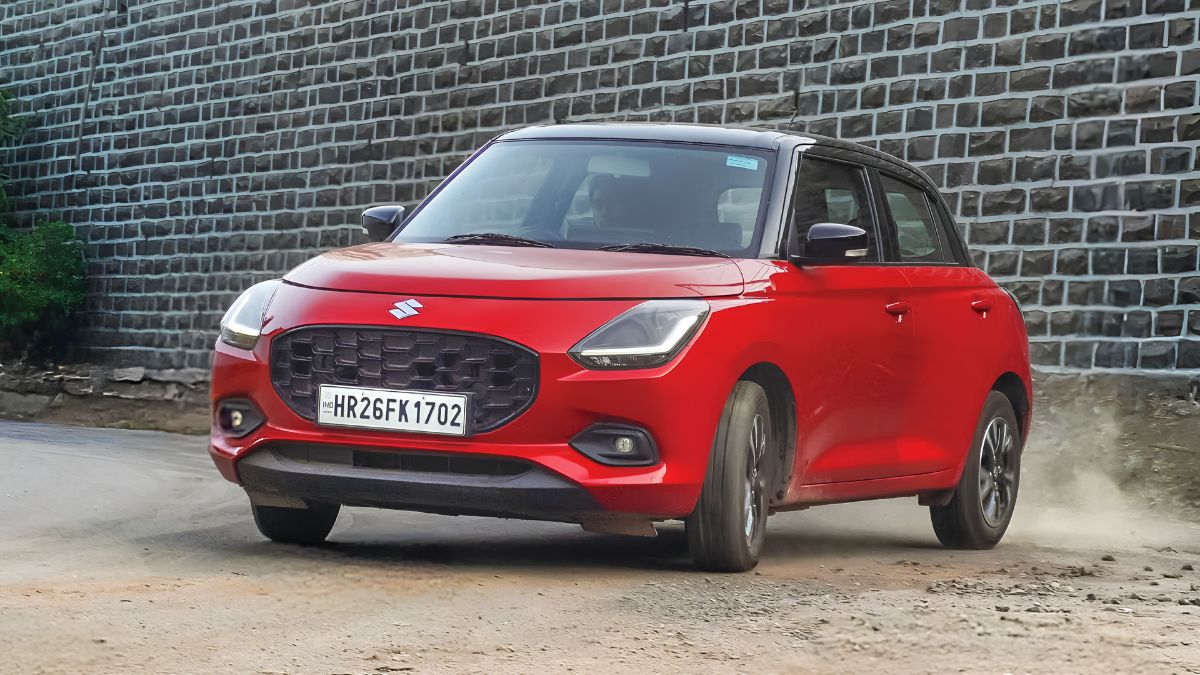
Maruti Suzuki has a strong presence in compact and affordable segments through models such as the Alto K10, WagonR, Swift, Dzire, Baleno, Brezza, and Ertiga. While the company has not confirmed individual price revisions, many of these models could see updated pricing from June onward.
The effect on buyers may vary based on financing and vehicle category.
| Buyer Type | Possible Impact |
|---|---|
| First-time buyers | Higher upfront purchase cost |
| Family car buyers | Slight increase in monthly EMIs |
| Fleet operators | Increased acquisition expenses |
| Budget-focused customers | Possible delay in buying decisions |
For customers purchasing vehicles through loans, even a modest increase in ex-showroom price can affect down payments, EMIs, and insurance calculations.
Fuel
The announcement also comes during a period of rising fuel costs across India. Over the past week, petrol and diesel prices have reportedly increased by up to Rs. 4 per litre due to supply-related disruptions in global energy markets. CNG prices have also moved upward by approximately Rs. 2 per unit in several regions.
This creates additional pressure on consumers evaluating overall vehicle ownership costs. Beyond the initial purchase price, running expenses now play a major role in car buying decisions, especially for middle-income households and daily commuters.
Fuel efficiency, maintenance costs, and long-term affordability are increasingly becoming central considerations for buyers across segments.
Market
Maruti Suzuki’s move could also influence pricing strategies across the broader automobile industry. Historically, price revisions by major manufacturers often lead to similar evaluations by competing brands facing comparable cost structures.
Automakers continue to navigate multiple challenges, including fluctuations in commodity prices, changing taxation policies, and evolving consumer demand patterns. At the same time, demand for compact SUVs and premium hatchbacks has remained relatively stable in the Indian market.
Industry analysts believe future pricing decisions across the sector will largely depend on raw material trends, fuel costs, and supply chain conditions over the next few quarters.
Demand
Despite rising costs, India’s passenger vehicle market has shown resilience in recent months. Consumer demand in urban and semi-urban markets continues to support sales volumes, particularly in practical and fuel-efficient segments.
Maruti Suzuki remains one of the country’s strongest volume players, with a wide dealership and service network that supports consistent demand across regions. This gives the company some flexibility when implementing moderate price adjustments.
However, market conditions remain sensitive to affordability concerns, especially in the entry-level category where buyers are often more price conscious.
Outlook
For customers planning to purchase a Maruti Suzuki vehicle, the period before June 2026 may offer an opportunity to avoid the revised prices. Dealers may also continue offering promotional schemes or financing benefits for a limited time before the new pricing structure takes effect.
At the same time, experts advise buyers to evaluate the overall ownership experience rather than focusing only on a short-term price revision. Factors such as loan interest rates, fuel expenses, insurance premiums, and service costs remain equally important in long-term vehicle ownership.
The latest announcement reflects the continued impact of inflation and rising operational expenses on India’s automobile sector. While the increase is not unusually steep, it highlights how manufacturers are adjusting to changing economic conditions in 2026.
FAQs
When will Maruti prices increase?
The hike will take effect from June 2026.
How much is the maximum price hike?
Prices may rise by up to Rs. 30,000.
Why is Maruti raising prices?
Due to higher input and operational costs.
Will every model get the same increase?
No, the hike will vary by model.

Did Maruti reduce prices earlier?
Yes, some models got cheaper in late 2025.