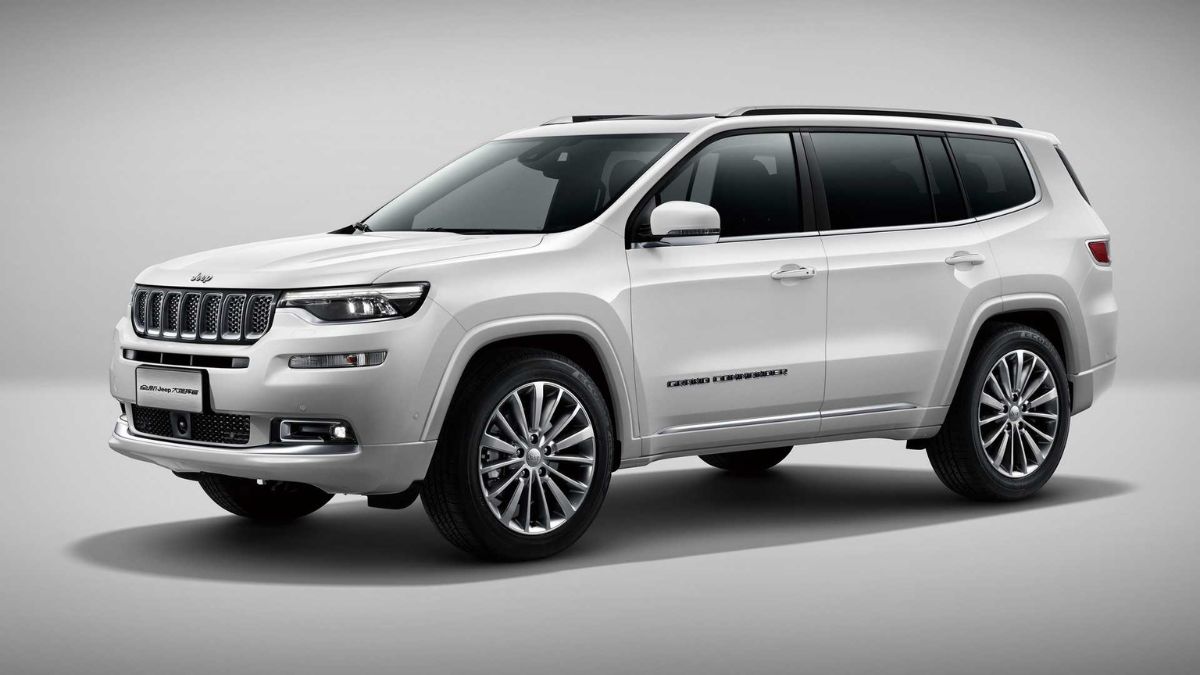
Jeep’s confirmation that future products in India will be based on a Tata Motors-developed platform may initially appear to be a standard industry cost-saving measure. Platform sharing has become increasingly common among automakers seeking to reduce development expenses and speed up product launches.
However, this announcement carries broader implications that extend well beyond a single product strategy. It reflects a notable shift in how global automotive brands view Indian engineering capabilities and highlights the growing influence of India within the global automotive landscape.
Shift
For many years, the Indian automotive industry largely relied on technologies and vehicle architectures developed overseas. Global manufacturers typically designed platforms in Europe, North America, Japan, or South Korea, with Indian operations adapting those products to local market conditions.
The Jeep-Tata collaboration signals a reversal of that traditional model.
Rather than importing a platform from an international engineering center, Jeep plans to build future Indian-market vehicles on an architecture developed by an Indian manufacturer. This represents a significant milestone for the domestic automotive sector.
Strategy
From Jeep’s perspective, the business logic behind the decision is straightforward.
The brand has established a reputation for producing capable SUVs, but sales volumes in India have remained relatively modest compared with mainstream competitors. Models such as the Compass and Meridian have received positive reviews, yet pricing remains a challenge in a highly competitive market.
Using an existing Tata-developed architecture can offer several advantages:
| Benefit | Impact |
|---|---|
| Lower development costs | Reduces investment required for new models |
| Faster product launches | Shortens development timelines |
| Higher localisation | Increases use of locally sourced components |
| Competitive pricing | Helps improve affordability |
| Regulatory readiness | Supports evolving safety and emissions standards |
These advantages could allow Jeep to expand its reach and potentially compete in segments that were previously difficult to enter due to cost constraints.
Importance
The larger significance of the announcement lies in what it says about Tata Motors.
Vehicle platforms represent some of the most valuable engineering assets in the automotive industry. Developing a modern architecture requires substantial investment, extensive testing, and the ability to support multiple vehicle types and powertrain technologies.
A successful platform must be flexible enough to accommodate:
- Different body styles
- Internal combustion engines
- Hybrid systems
- Electric powertrains
- Advanced safety technologies
- Future regulatory requirements
When a global brand such as Jeep adopts a Tata-developed platform, it effectively acknowledges the engineering quality and capability behind that architecture.
Evolution
India’s automotive industry has changed significantly over the past two decades.
Manufacturers operating in the country were once primarily focused on producing affordable vehicles for domestic buyers. Today, many Indian companies are investing heavily in research, software development, vehicle engineering, and advanced manufacturing technologies.
This evolution has positioned Indian automakers as contributors to global automotive development rather than simply local manufacturing partners.
The Jeep-Tata arrangement reflects this broader industry trend and demonstrates how Indian-developed technology is gaining wider recognition.
Customers
For consumers, the practical benefits may become visible through future Jeep products.
Greater localisation and lower development costs could help Jeep introduce SUVs at more competitive price points. This may make the brand accessible to a wider range of buyers while maintaining the design and characteristics associated with Jeep vehicles.
Potential customer benefits include:
| Customer Advantage | Potential Outcome |
|---|---|
| Improved affordability | Lower entry prices |
| Better local sourcing | Easier parts availability |
| Faster model updates | More frequent product launches |
| Modern technology | Access to newer features |
While final product details remain unconfirmed, the platform strategy could play a key role in expanding Jeep’s presence in India.
Industry
Beyond Jeep and Tata Motors, the development carries symbolic importance for the wider automotive sector.
The partnership demonstrates that Indian engineering capabilities have reached a level where they can support the needs of internationally recognized brands. This could encourage additional collaborations between global manufacturers and Indian automotive companies in the future.
As vehicle development becomes increasingly complex and expensive, manufacturers around the world are seeking flexible, scalable architectures that can serve multiple markets efficiently. Indian-developed platforms may become a more important part of that equation.
Outlook
The decision by Jeep to use a Tata Motors-derived architecture is about more than reducing costs or accelerating development timelines. It represents a broader shift in the automotive industry, where engineering expertise is increasingly being recognized regardless of geography.
For Jeep, the move could support the launch of more competitive and accessible SUVs in India. For Tata Motors, it provides validation of years of investment in vehicle development and platform engineering. For the Indian automotive industry as a whole, it serves as evidence of its growing influence in global vehicle design and technology.
What may appear to be a routine platform-sharing arrangement today could ultimately be remembered as a moment that highlighted how far Indian automotive engineering has progressed on the world stage.
FAQs
Why is Jeep using a Tata-developed platform?
To reduce costs and support future SUV development in India.
Will this make Jeep SUVs more affordable?
Greater localisation could help improve pricing competitiveness.
Why is this important for Tata Motors?
It validates Tata’s engineering and platform development work.
What is a vehicle platform?
It is the underlying architecture used to build multiple vehicles.

Does this affect only the Indian market?
The announcement currently focuses on future India-bound products.