BMW has officially unveiled the fifth-generation X5, marking a major step in the evolution of one of its best-known SUVs. First introduced in 1999, the X5 now enters a new phase with an expanded focus that goes beyond luxury and performance. For the first time, the model will be offered with five different powertrain options, ranging from conventional petrol and diesel to electric and hydrogen.
The global unveiling positions the new X5 as BMW’s most diverse SUV yet, aimed at meeting a wide range of regional regulations and customer preferences.
Powertrains
The headline change for the new-generation X5 is its broad powertrain lineup. BMW will offer the SUV with petrol, diesel, plug-in hybrid, battery-electric, and hydrogen-based systems.
Alongside familiar internal combustion engines, the X5 range now includes the all-electric iX5 and a future hydrogen-powered variant. This makes the X5 the first BMW model to be offered with such a wide mix of propulsion technologies.
Electric
The all-electric iX5 is the most prominent addition to the lineup. BMW claims a driving range of up to 845km on a single charge.
The iX5 is built on an 800V electrical architecture and features a 141kWh battery pack. Power comes from a dual-motor setup, producing 245.2bhp and 305Nm at the front and 324.3bhp and 500Nm at the rear. Combined performance enables a 0 to 100kmph sprint in 4.6 seconds, with a top speed of 210kmph.
Charging times are competitive. A full 0 to 100 per cent charge takes around 7.5 hours using a 22kW AC wallbox. With a 460kW DC fast charger, the battery can be charged from 10 to 80 per cent in approximately 23 minutes.
Hydrogen
BMW has also confirmed a hydrogen-powered iX5, scheduled to be introduced at a later stage. This version uses hydrogen fuel storage combined with a high-voltage battery system.
According to BMW, the hydrogen X5 will offer a range of up to 750km on a single tank of hydrogen, positioning it as a long-distance, low-emissions alternative where hydrogen infrastructure is available.
Engines
The internal combustion engine lineup continues with updated petrol and diesel options, both supported by 48V mild-hybrid systems and paired with an eight-speed automatic transmission.
The petrol version uses a 3.0-litre inline-six engine producing 394bhp and 540Nm, allowing a 0 to 100kmph time of 5.6 seconds. The diesel option, also a 3.0-litre unit, delivers 291bhp and 670Nm, with a 0 to 100kmph time of 6.1 seconds.
BMW has also confirmed that a V8-powered M Performance variant will be added later, expanding the range for performance-focused buyers.
Hybrid
A plug-in hybrid version of the X5 is also part of the lineup. It combines a 3.0-litre petrol engine with an electric motor and a 29.5kWh battery pack.
BMW claims an electric-only range of up to 103km. Two output levels will be available, rated at 482bhp with 700Nm and 603bhp with 800Nm. Charging the PHEV battery takes approximately 4 hours and 45 minutes using a 7kW AC charger, or about 3 hours with an 11kW AC charger.
Design
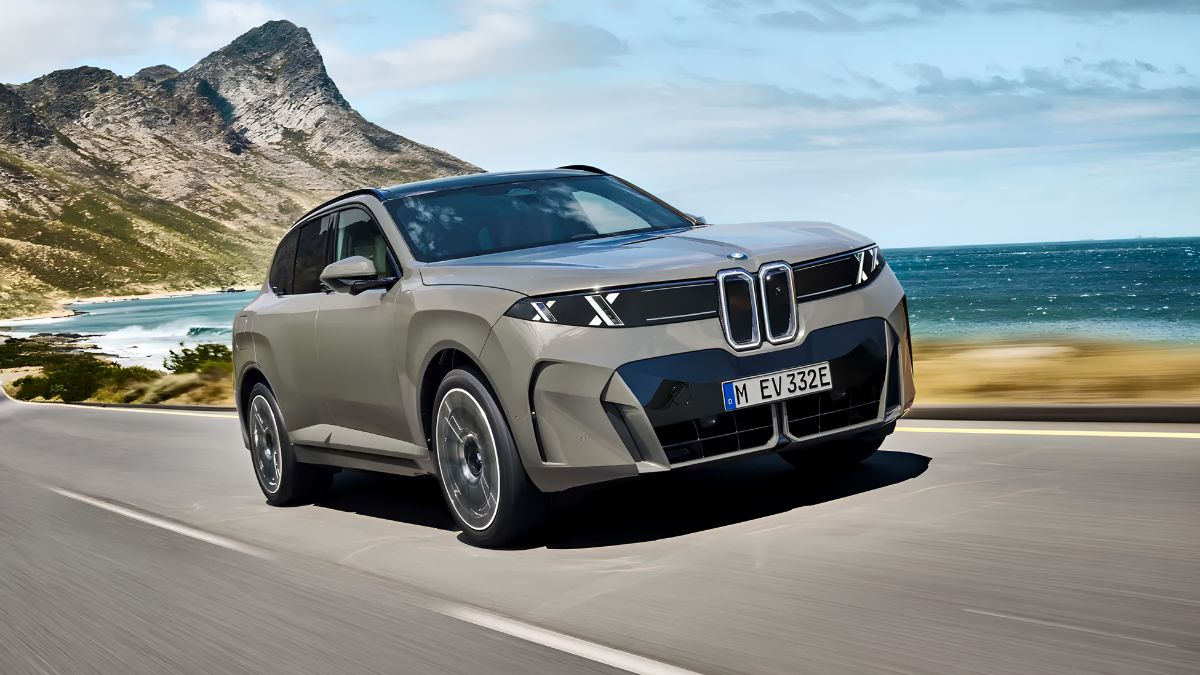
Visually, the new X5 introduces updated styling elements while retaining its familiar proportions. The SUV features X-shaped lighting signatures at the front, large air intakes, integrated door handles, and split tail lights.
Dual-tone alloy wheels are available in sizes ranging from 21 to 23 inches. At the rear, dual-tip exhausts are positioned at either end on combustion-engine variants.
Interior
Inside, the X5 adopts BMW’s Neue Klasse cabin design. Highlights include a 17.6-inch trapezoidal infotainment display, a new two-spoke steering wheel, and a pillar-to-pillar digital display strip across the dashboard.
A head-up display is integrated as standard, while a dedicated passenger infotainment screen is offered as an optional extra. The layout is designed to reduce physical controls and place greater emphasis on digital interfaces.
Safety
The fifth-generation X5 is equipped with multiple airbags, Level 2 advanced driver assistance systems, and park assist technology. BMW says these features are aimed at improving both active and passive safety across the range.
With its expanded powertrain strategy and updated technology, the new BMW X5 signals the brand’s intent to keep its flagship SUV relevant in a rapidly changing automotive landscape.
FAQs
Which generation is the new BMW X5?
It is the fifth-generation BMW X5.
How many powertrain options does the new X5 offer?
It offers five powertrain options.
What is the range of the electric iX5?
BMW claims up to 845km per charge.
Will the new X5 get a V8 engine?
Yes, a V8 M Performance version is coming later.

Is a hydrogen BMW X5 planned?
Yes, a hydrogen-powered iX5 will launch later.