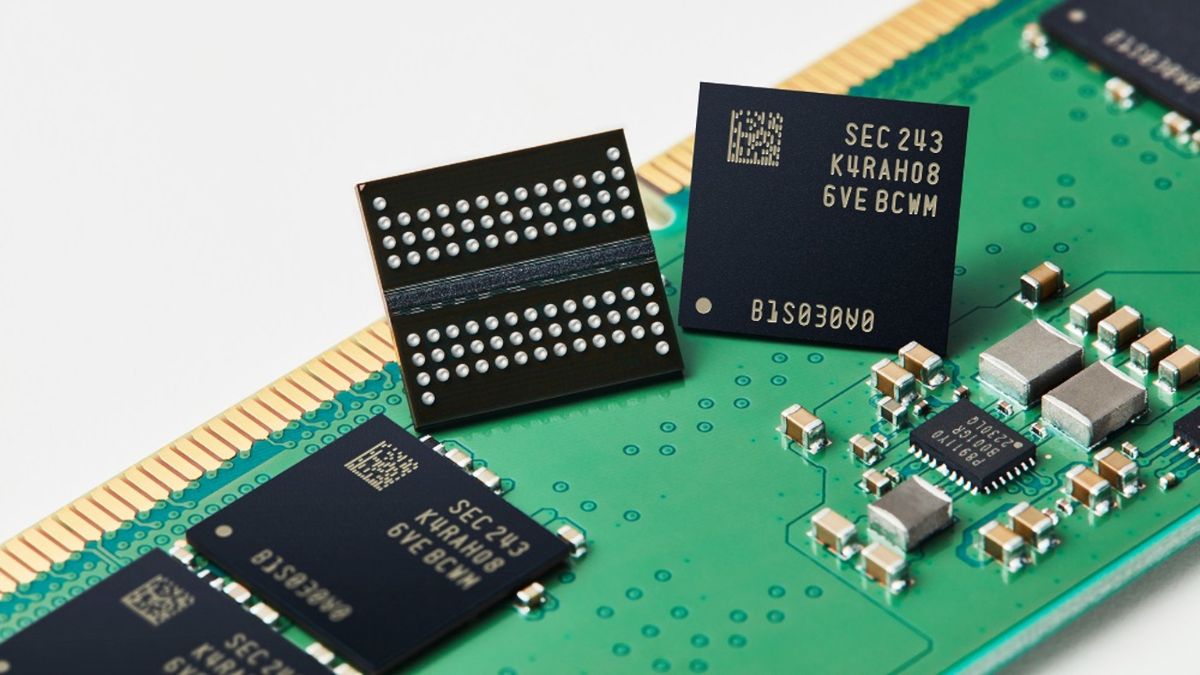
The cost of memory and storage chips could begin to decline in 2027, according to a new industry tip, offering potential relief for smartphone and electronics manufacturers after months of rising component prices. However, despite the expected drop in prices, the shortage of DRAM and NAND chips may continue until the first quarter of 2028, meaning supply constraints could persist for some time.
The reported development comes as the global electronics industry continues to deal with higher manufacturing costs, driven in part by strong demand for memory chips from the artificial intelligence (AI) sector.
Report
According to tipster Yogesh Brar, citing industry sources, Chinese memory chip makers ChangXin Memory Technologies (CXMT) and Yangtze Memory Technologies (YMTC) are currently stockpiling DRAM chips.
The report claims that both companies are expected to release their accumulated inventory into the market sometime in 2027. If that happens, the additional supply could help ease current shortages and reduce memory chip prices.
However, neither company has officially confirmed these claims.
Shortage
Although chip prices could decline next year, the broader supply shortage may continue for longer.
Industry expectations suggest that DRAM and NAND shortages could persist until the first quarter of 2028. One reason is that memory manufacturers continue to prioritize supplying chips for AI infrastructure, including data centers, where demand remains strong.
As long as AI companies continue purchasing large volumes of memory components, supply available for consumer electronics could remain limited.
Impact
Higher memory prices have contributed to increased manufacturing costs across the consumer electronics industry.
Products affected include:
- Smartphones
- Laptops
- Tablets
- Gaming consoles
- Other consumer electronics
Many manufacturers have already increased retail prices to offset the higher cost of components.
Whether lower chip prices in 2027 would translate into cheaper devices for consumers remains uncertain, as manufacturers may choose to absorb the savings or continue pricing based on broader market conditions.
Market
The ongoing memory shortage has already influenced product strategies across the smartphone industry.
Nothing has confirmed that it will not launch a flagship smartphone this year. Meanwhile, its sub-brand CMF has paused smartphone launches, citing higher RAM prices caused by the ongoing shortage.
Smaller smartphone brands are generally more vulnerable to rising component costs because they often have less purchasing power than larger manufacturers.
Outlook
Market research firm IDC recently projected that global smartphone shipments will decline by 12.9% year over year in 2026, falling to approximately 1.1 billion units.
According to IDC, this would represent the lowest annual smartphone shipment volume in more than a decade.
| Forecast | Projection |
|---|---|
| Global smartphone shipment decline (2026) | 12.9% YoY |
| Estimated shipments | 1.1 billion units |
| Expected memory price trend | Potential decline in 2027 |
| DRAM and NAND shortage | Expected through Q1 2028 |
The projected slowdown is expected to affect smaller smartphone manufacturers more significantly, as they face both weaker demand and higher production costs.
What Happens Next
The outlook for memory prices will largely depend on production levels and demand from the AI industry.
If CXMT and YMTC release additional inventory as reported, memory chip prices could ease during 2027. Even so, ongoing demand from AI data centers may keep overall supplies tight until early 2028.
For consumers, that means lower component prices may not immediately result in cheaper smartphones or other electronic devices. Pricing decisions will continue to depend on manufacturing costs, market competition, and demand across the technology sector.
FAQs
Why could memory chip prices fall in 2027?
Reported stock releases from Chinese chip makers could increase supply.
Will the chip shortage end in 2027?
Current expectations suggest shortages could continue into Q1 2028.
Why are RAM prices so high?
Strong demand from AI data centers has tightened global supply.
Will smartphones become cheaper?
Not necessarily, as manufacturers may not pass on lower component costs.

Which companies were mentioned in the report?
CXMT and YMTC were cited as stockpiling DRAM chips.