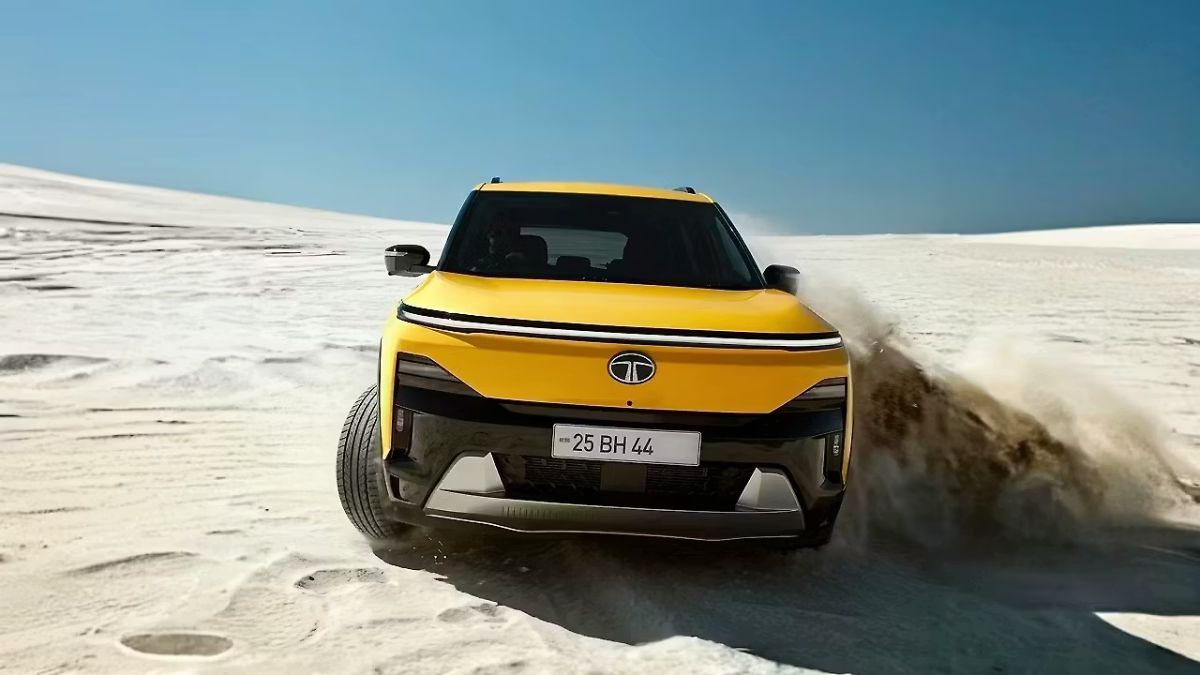
The Tata Sierra EV is expected to enter a segment where most upcoming electric SUVs will rely on single motor, front-wheel-drive layouts. In contrast, the Sierra EV is reported to feature an all-wheel-drive (AWD) configuration using dual electric motors. This places it in a slightly different technical category compared to rivals such as the Hyundai Creta Electric, Mahindra BE 6, and Maruti Suzuki e Vitara, all of which are expected to prioritize efficiency-focused single motor setups.
While AWD systems are often discussed in the context of off-road capability, their relevance in electric vehicles is more closely tied to traction management and control of instant torque delivery. This difference becomes important when comparing how EVs behave in everyday driving conditions.
System
An AWD system in an electric vehicle typically uses two motors, one driving the front wheels and another driving the rear wheels. In the case of the Tata Sierra EV, this setup is expected to allow torque distribution across all four wheels depending on driving conditions.
Unlike internal combustion vehicles where AWD systems are mechanically complex, EV-based AWD systems are software-controlled and react almost instantly. This allows better adaptation to changing grip levels on road surfaces without driver intervention.
Traction
One of the key advantages of AWD in EVs is improved traction during low-grip situations. Electric motors deliver maximum torque from a standstill, which can sometimes lead to wheel spin if power is not managed carefully.
On surfaces such as wet roads, gravel, or loose sand, a single motor driving only two wheels may struggle to maintain consistent grip. By distributing torque across all four wheels, an AWD system helps reduce wheel spin and improves stability during acceleration.
This does not turn the Sierra EV into a dedicated off-road vehicle, but it does provide more predictable control in uneven or slippery conditions, which can be relevant in both urban and semi-urban environments.
Rivals
The Sierra EV’s expected AWD setup becomes more noticeable when compared with its direct competitors.
- Hyundai Creta Electric is expected to focus on efficiency-oriented front-wheel-drive configuration
- Mahindra BE 6 is likely to emphasize range and performance balance with single motor setups
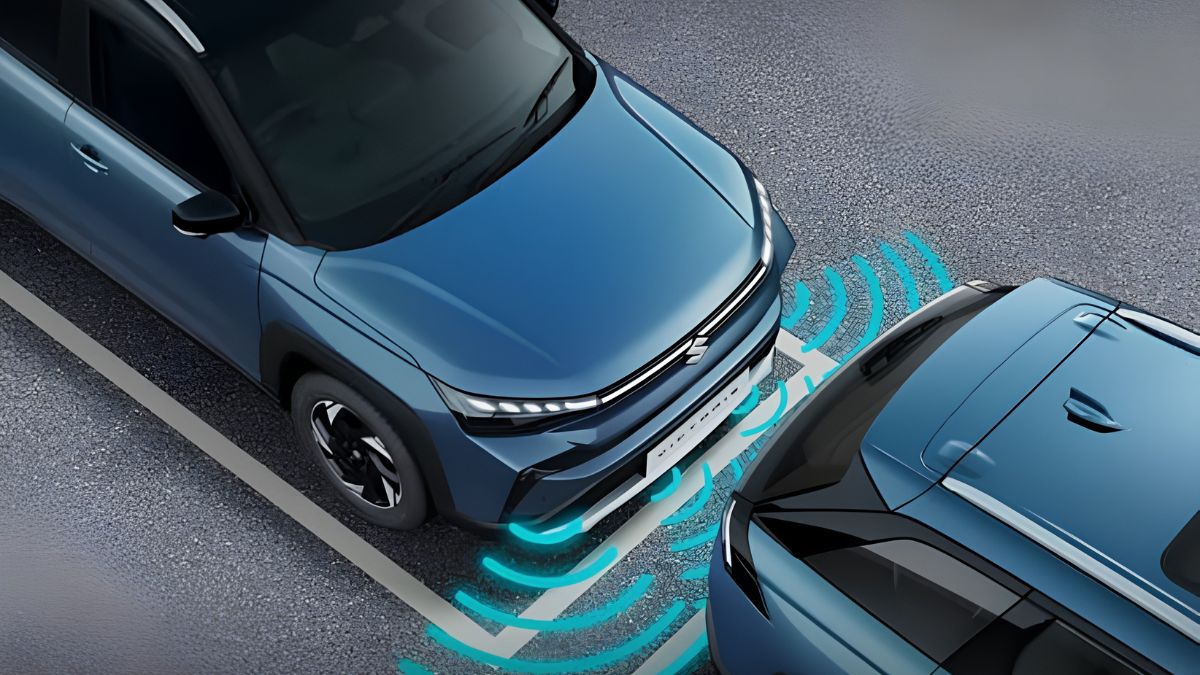
- Maruti Suzuki e Vitara is expected to prioritize cost efficiency and practical usability
In this context, the Sierra EV would be positioned differently by offering dual motor capability, which may appeal to buyers looking for additional stability and performance control rather than just range figures.
Range
One of the trade-offs often associated with AWD EVs is energy consumption. Running two motors can increase power usage compared to single motor setups, depending on driving conditions.
This raises an important consideration for the Sierra EV. While AWD improves traction and performance consistency, it may also influence real-world range depending on how frequently both motors are engaged.
Manufacturers often address this by allowing the vehicle to switch between single motor and dual motor modes when full AWD capability is not required. If Tata implements such a system, it could help balance performance with efficiency.
Usage
In practical driving conditions, AWD in an EV is most noticeable in specific scenarios rather than everyday commuting.
These include:
- Steep or slippery inclines where controlled torque delivery is required
- Wet roads where sudden acceleration can cause loss of grip
- Gravel or uneven surfaces where wheel slip is more likely
- High-load acceleration where stability becomes important
For regular city driving, the difference between AWD and single motor EVs may be less noticeable unless road conditions vary significantly.
Market
The Indian EV market is currently shaped more by range, pricing, charging access, and service network rather than drivetrain complexity. In this environment, AWD becomes a secondary consideration for many buyers.
However, it may still influence a specific segment of users who prioritize driving stability, occasional highway travel in varied conditions, or simply prefer a more technically capable platform.
The challenge for Tata will be to communicate whether AWD is a practical advantage in daily use or more of a premium technical feature within the lineup.
Outlook
The Tata Sierra EV’s AWD system places it in a slightly different position compared to its direct competitors. While it does not redefine the segment, it introduces a capability that is not commonly expected in this price and category range.
Its overall impact on sales will likely depend on how buyers value traction and driving stability against more dominant factors such as driving range, charging convenience, and overall pricing strategy. In most EV segments, those factors continue to drive purchasing decisions more strongly than drivetrain architecture alone.
The Sierra EV will therefore be watched closely to see whether AWD becomes a practical selling point or remains a niche technical advantage within an efficiency-focused market.
FAQs
Does Sierra EV have AWD?
It is expected to feature an all-wheel-drive dual motor setup.
Why is AWD important in EVs?
It improves traction by distributing torque across all wheels.
Will AWD increase range?
No, it may slightly reduce range in some conditions.
Is Sierra EV an off-road vehicle?
No, AWD improves grip but it is not a dedicated off-roader.
How does it compare to rivals?
It may offer better traction but rivals focus more on efficiency.