
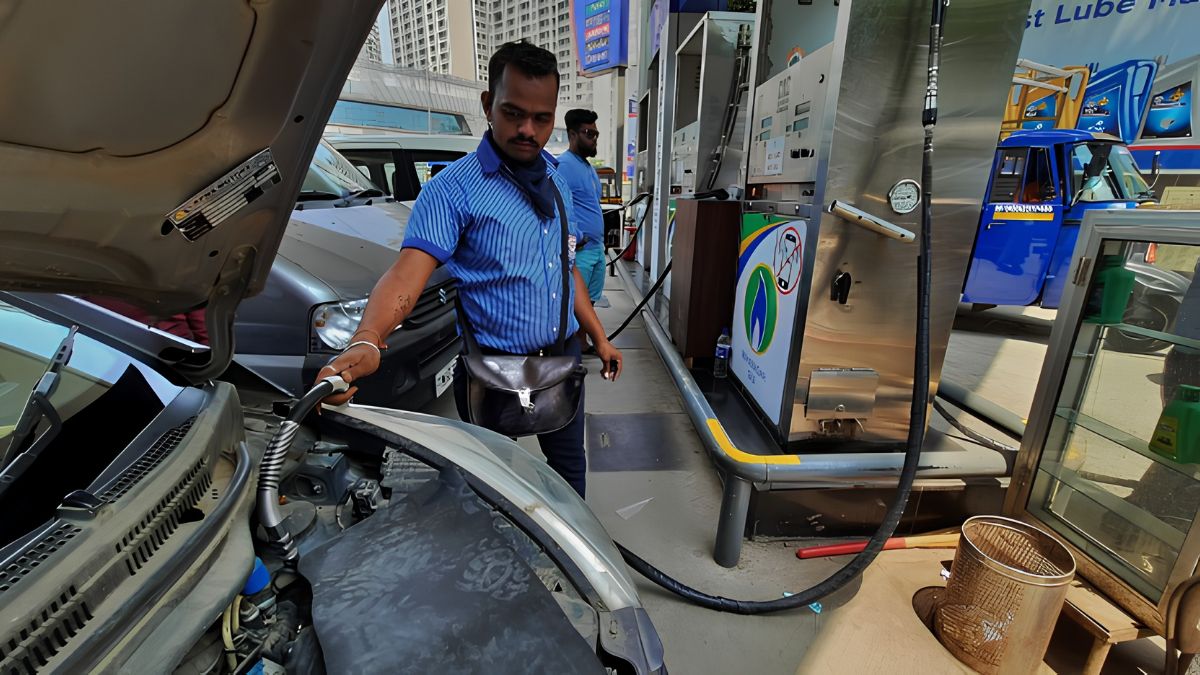
The Central Government has announced a major expansion of the GOBardhan (Galvanising Organic Bio-Agro Resources Dhan) scheme to accelerate the production and use of Compressed Biogas (CBG) across the country. Backed by an investment of Rs. 23,731 crore, the initiative will be implemented over a 10-year period from FY2027 to FY2036.
The scheme is aimed at strengthening India’s clean energy sector, reducing dependence on imported fuel, and encouraging greater use of bio-based alternatives. It is also expected to benefit the automobile industry, particularly the growing market for CNG-powered vehicles.
The GOBardhan scheme focuses on increasing the production of Compressed Biogas using organic waste, agricultural residue, cattle dung, and other biodegradable materials.
The government plans to support the sector through guaranteed purchase arrangements, stable pricing, improved pipeline connectivity, and easier access to financing for producers.
These measures are intended to encourage investment in CBG production while improving the availability of cleaner fuel across the country.
Investment
The scheme represents one of the government’s larger investments in the biofuel sector.
| Scheme Details | Information |
|---|---|
| Scheme Name | GOBardhan (Galvanising Organic Bio-Agro Resources Dhan) |
| Total Investment | Rs. 23,731 crore |
| Implementation Period | FY2027 to FY2036 |
| Duration | 10 Years |
The long-term funding is expected to provide greater certainty for businesses planning investments in biogas infrastructure.
Objectives
The government has outlined several measures to support the expansion of Compressed Biogas production.
These include:
- Guaranteed purchase of CBG.
- Stable pricing mechanisms.
- Better pipeline connectivity.
- Easier access to finance for producers.
- Expansion of domestic biofuel production.
Together, these initiatives aim to create a stronger and more reliable CBG ecosystem.
Impact on the Auto Industry
The automobile industry is expected to be among the major beneficiaries of the scheme.
Many CNG vehicles can operate using Compressed Biogas because both fuels have similar characteristics. Existing CNG distribution and storage infrastructure can also be used for CBG with minimal changes.
This compatibility could make it easier for fuel suppliers and vehicle manufacturers to adopt bio-based fuel without requiring entirely new infrastructure.
Energy Security
India currently imports a significant amount of Liquefied Natural Gas (LNG), which is used to meet part of the country’s CNG demand.
Increasing domestic production of Compressed Biogas could help:
- Reduce dependence on imported LNG.
- Improve domestic energy security.
- Lower exposure to global fuel price fluctuations.
- Make greater use of agricultural and organic waste.
These outcomes align with the government’s broader goal of expanding renewable and cleaner energy sources.
Mandatory Blending
The Central Government has also introduced mandatory blending requirements for gas companies.
| Financial Year | Minimum CBG Blend |
|---|---|
| Current Financial Year | 3% |
| FY2029 | 5% |
The gradual increase is expected to create steady demand for domestically produced Compressed Biogas.
Industry Response
At present, Maruti Suzuki is one of the few automobile manufacturers that has publicly showcased CBG-powered vehicles and invested in CBG production infrastructure.
With the government’s long-term support for the sector, industry observers expect more manufacturers to evaluate opportunities in both:
- CBG-compatible vehicle development.
- Investment in biogas production facilities.
- Expansion of alternative fuel technologies.
The policy may also encourage collaboration between vehicle manufacturers, fuel companies, and agricultural businesses.
Challenges
While the scheme offers significant opportunities, successful implementation will depend on several factors.
These include:
- Timely development of CBG production plants.
- Expansion of collection systems for organic waste.
- Adequate pipeline infrastructure.
- Consistent supply of feedstock.
- Continued investment from the private sector.
Addressing these areas will be important for achieving the scheme’s long-term objectives.
The GOBardhan scheme represents a significant step in the government’s efforts to expand the use of renewable fuels in India. By investing Rs. 23,731 crore over the next decade, the initiative aims to strengthen domestic Compressed Biogas production, support cleaner transportation, and reduce dependence on imported fuel. As the CBG market develops, both the energy and automotive sectors could see new opportunities for growth.
FAQs
What is the GOBardhan scheme?
It promotes Compressed Biogas production across India.
How much has the government allocated?
Rs. 23,731 crore over 10 years.
When will the scheme run?
From FY2027 to FY2036.
How will the auto industry benefit?
It may encourage wider use of CBG-powered vehicles.

What is the mandatory CBG blending target?
3% initially, increasing to 5% by FY2029.