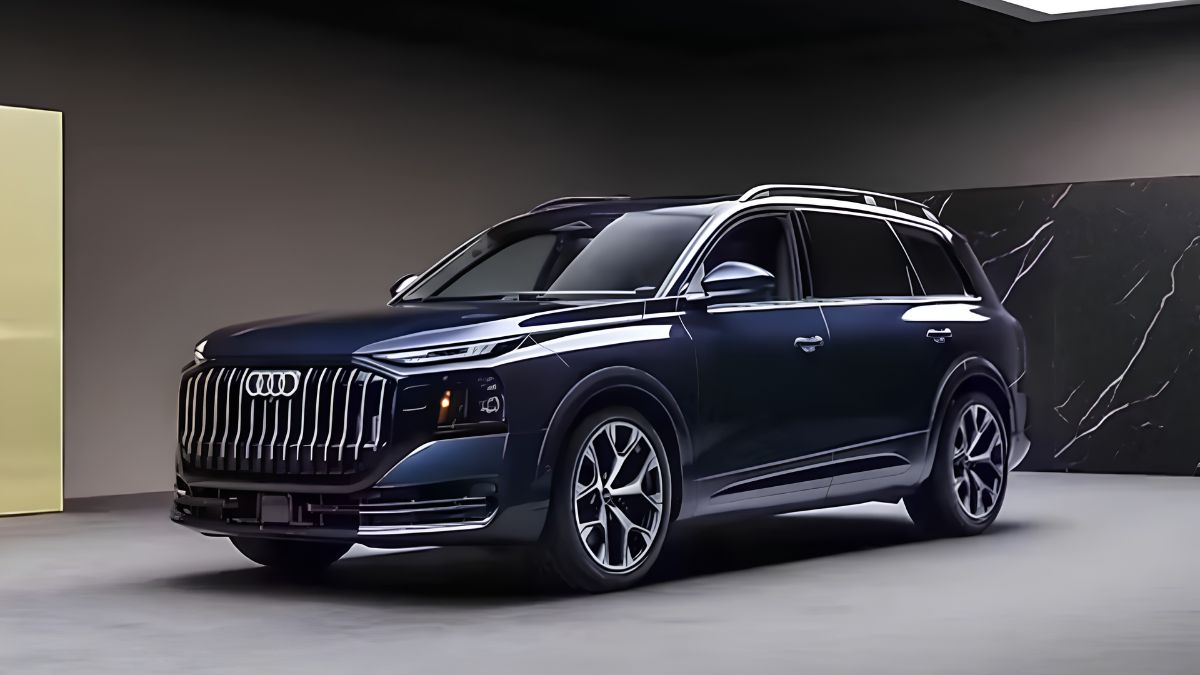
Audi India is preparing for a significant expansion of its model range, with the Q3, A5 and Q9 confirmed for the Indian market. The three models are expected to arrive within the next year and beyond, giving the luxury carmaker a broader lineup across the premium SUV and sedan segments.
The new Q3 will arrive first during the festive season, followed by the A5 in early 2027. Audi’s flagship Q9 SUV is expected to reach India in the second half of 2027.
An important part of the strategy is local assembly. All three models are planned to be assembled at the Skoda Auto Volkswagen Group plant in Maharashtra, which could help Audi position the new vehicles more competitively in the Indian luxury market.
Q3
The third-generation Audi Q3 will be the first of the three new models to reach India. Its launch is planned for the upcoming festive season.
The new Q3 represents a substantial update over the outgoing generation, with a sharper exterior design, a more modern cabin and upgraded technology. Audi is expected to offer India with a 2.0-litre turbo-petrol engine producing around 204bhp.
The engine is expected to be paired with a seven-speed dual-clutch automatic transmission and Quattro all-wheel drive.
The India-spec Q3 is also expected to receive a strong technology package. Features could include an 11.9-inch digital driver’s display, a 12.8-inch touchscreen infotainment system, three-zone automatic climate control and a large sunroof.
Audi could also consider bringing the Q3 Sportback to India alongside the standard SUV, although the exact body-style lineup will be confirmed closer to launch.
A5
The Audi A5 is expected to follow the Q3 in early 2027. It will effectively replace the A4 in Audi India’s passenger car lineup.
The new A5 is larger than the model it succeeds and uses Audi’s newer vehicle architecture. Its cabin also follows the company’s latest interior design direction, with a stronger focus on digital displays and connected technology.
One of the notable features available on the newer-generation Audi models is an optional touchscreen display for the front passenger. This adds another layer of digital functionality to the cabin.
For India, the A5 is expected to use a 2.0-litre turbo-petrol engine with an automatic transmission. Unlike the Q3, the India-spec A5 is expected to use a front-wheel-drive configuration.
The model will give Audi a newer offering in a segment where the outgoing A4 has been facing increasing competition from newer luxury cars.
Q9
The Q9 will be the most significant addition to Audi’s India portfolio and is expected to become the brand’s flagship SUV in the country.
At more than 5.3 metres long, the Q9 is designed as a full-size three-row SUV rather than simply a larger version of the Q7. Its primary rivals in India are expected to include the Mercedes-Benz GLS and BMW X7.
The size of the Q9 is particularly important because the full-size luxury SUV segment has become increasingly competitive. Buyers in this category typically expect spacious three-row seating, strong performance and extensive equipment.
The India-spec Q9 is expected to be powered by a petrol engine paired with an eight-speed automatic transmission and all-wheel drive. A diesel version is not currently expected for the Indian market.
Assembly
Local manufacturing is central to Audi’s upcoming product strategy. The Q3, A5 and Q9 are all planned to be assembled at the Skoda Auto Volkswagen Group plant in Maharashtra.
Local assembly allows manufacturers to reduce their reliance on fully imported vehicles and can provide greater flexibility in pricing and production. For Audi, it also gives the company an opportunity to expand its range while maintaining a stronger local manufacturing presence.
The approach follows Audi India’s existing strategy of assembling several models locally for the domestic market.
Strategy
Audi’s product expansion comes as the company looks to increase its share of India’s luxury vehicle market.
The automaker currently holds about 8% of the luxury car market in India. It is targeting a share of between 16% and 18% within three years.
That would require more than simply adding new vehicles. Audi is also rebuilding its retail network and expanding its pre-owned vehicle operations through the Audi Approved Plus business.
The Q3, A5 and Q9 therefore represent different parts of the same strategy. The Q3 is aimed at the volume end of Audi’s SUV range, the A5 strengthens its premium passenger car portfolio, and the Q9 gives the company a new flagship at the top of its SUV lineup.
Timeline
Audi’s upcoming India launches can be broadly mapped out as follows:
| Model | Expected India Launch | Key Details |
|---|---|---|
| Audi Q3 | Festive season 2026 | 2.0-litre turbo petrol, Quattro |
| Audi A5 | Early 2027 | 2.0-litre turbo petrol, front-wheel drive |
| Audi Q9 | Second half of 2027 | Three-row flagship SUV, all-wheel drive |
The three launches give Audi a relatively clear product roadmap for the Indian market. The Q3 is likely to attract the largest customer base of the three, while the A5 will replace an established model and the Q9 will serve as the brand’s new flagship SUV.
Audi’s challenge will be turning the expanded product range into sustained sales growth. With local assembly, a refreshed retail network and an expanding pre-owned business, the company is positioning itself for a larger role in India’s growing luxury vehicle market.
FAQs
When will the new Audi Q3 launch in India?
The new Q3 is expected during the festive season of 2026.
When will the Audi A5 launch in India?
The Audi A5 is expected to arrive in early 2027.
When is the Audi Q9 coming to India?
The Q9 is expected to launch in the second half of 2027.
Will Audi assemble these models in India?
Yes, all three models are planned for local assembly in Maharashtra.

What will rival the Audi Q9 in India?
The Q9 will compete with SUVs such as the BMW X7 and Mercedes-Benz GLS.