Electric vehicles have steadily gained popularity in India, but affordability has remained one of the biggest challenges for buyers. While many automakers focused on improving driving range and adding more features, MG Motor India chose a different strategy.
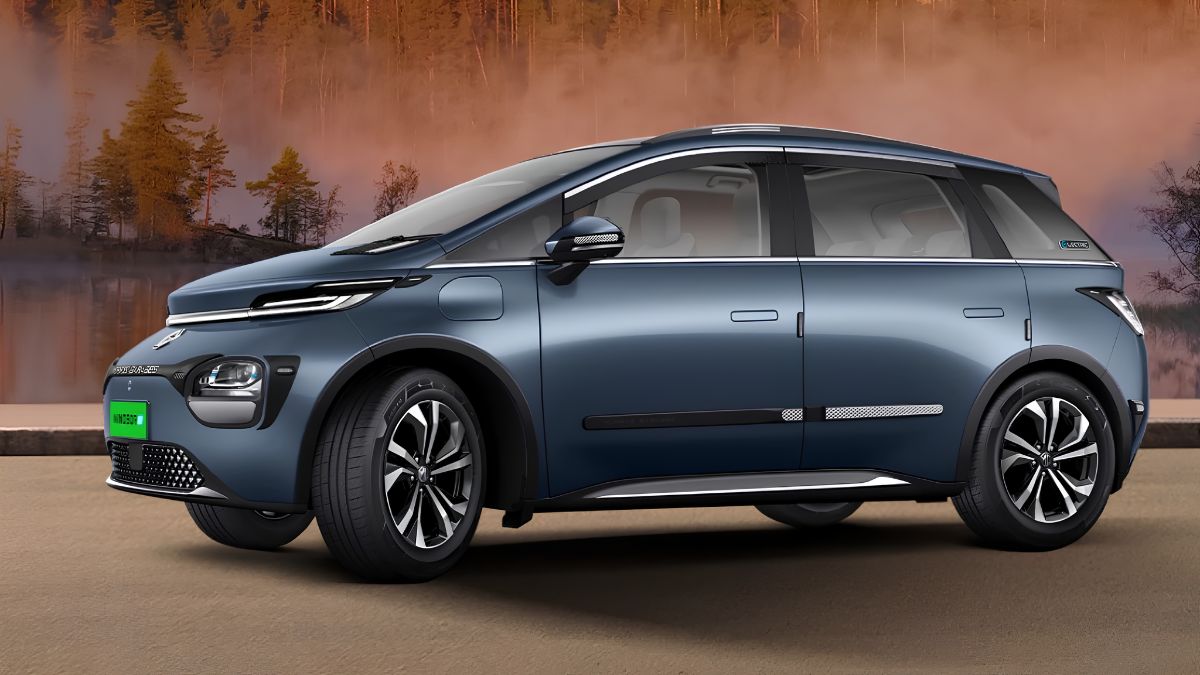
With the launch of the Windsor EV, the company introduced Battery-as-a-Service (BaaS), making electric car ownership more accessible to a wider audience. Now, the MG Windsor EV has crossed the impressive milestone of 75,000 sales in less than two years, proving that innovative ownership models can be just as important as the vehicle itself.
Milestone
The MG Windsor EV has surpassed 75,000 unit sales in under two years, making it one of the brand’s most successful models in India. While the sales figure is impressive on its own, the vehicle’s biggest achievement is the impact it has had on the Indian electric vehicle industry.
Instead of simply competing with other EVs on features or driving range, the Windsor changed the way consumers think about purchasing an electric car. It demonstrated that reducing the initial purchase cost could significantly increase customer interest and accelerate EV adoption.
Strategy
When the Windsor EV entered the Indian market, electric vehicle demand was growing, but high upfront costs continued to discourage many buyers. Batteries account for a large portion of an EV’s total price, making them expensive compared to conventional petrol or diesel vehicles.
MG addressed this issue by introducing its Battery-as-a-Service (BaaS) programme. Under this model, customers could purchase the vehicle at a lower price while paying separately for battery usage through a subscription or usage-based plan.
This innovative pricing model reduced the initial financial burden and made electric mobility more affordable for first-time EV buyers.
BaaS
Although battery leasing had existed in limited forms before, the Windsor EV brought the concept to India’s mainstream passenger vehicle market on a much larger scale.
Initially, many questioned whether customers would accept the idea of not owning the battery outright. However, buyers responded positively because the model offered greater flexibility and significantly reduced the vehicle’s purchase price.
For many customers, paying a monthly battery fee was a more manageable option than investing a much larger amount upfront.
Impact
The Windsor quickly became MG Motor India’s highest-selling electric vehicle and one of the country’s bestselling EVs.
Its success proved that Indian buyers are open to alternative ownership models when they offer genuine financial advantages. Rather than focusing only on complete ownership, many consumers began prioritizing affordability, monthly expenses, and long-term savings.
The Windsor showed that lowering the entry barrier could encourage more buyers to switch from conventional vehicles to electric mobility.
Industry
The success of MG’s Battery-as-a-Service programme did not go unnoticed. Several leading automakers have since introduced similar ownership models for their own electric vehicles.
The growing adoption of BaaS highlights how influential the Windsor EV has been in shaping industry trends.
| Manufacturer | EV Model | Battery-as-a-Service |
|---|---|---|
| MG Motor | Windsor EV | Yes |
| Tata Motors | Punch EV | Yes |
| Tata Motors | Tiago EV | Yes |
| Maruti Suzuki | e Vitara | Yes |
| Hyundai | Creta Electric | Yes |
Within less than two years, what started as MG’s unique selling point has evolved into a strategy embraced by some of India’s largest automotive companies.
Ownership
The Windsor EV also changed the conversation surrounding electric vehicles.
Earlier, buyers primarily focused on factors like battery range, charging time, and performance. Today, many customers also compare monthly running costs, financing options, maintenance expenses, and total ownership costs before making a purchase decision.
This shift reflects a more mature EV market where buyers evaluate long-term affordability instead of just the initial purchase price.
The Battery-as-a-Service model has played a major role in encouraging this change in consumer thinking.
Future
India’s electric vehicle market continues to evolve rapidly, with more manufacturers introducing affordable electric models and flexible ownership plans.
The Windsor EV has demonstrated that innovation is not limited to technology alone. Creative pricing strategies and customer-friendly ownership options can be equally effective in driving market growth.
As competition increases, similar subscription-based and flexible payment models may become common across the EV industry, making electric mobility accessible to an even larger segment of Indian buyers.
Success
Crossing the 75,000 sales milestone is a remarkable achievement for the MG Windsor EV, but its greatest contribution extends beyond sales numbers. The vehicle introduced Battery-as-a-Service as a practical ownership model, helping reshape the way electric vehicles are bought and financed in India. Its influence can now be seen across multiple manufacturers adopting similar strategies. By making EV ownership more affordable and flexible, the Windsor has become one of the most influential electric vehicle launches in the Indian market in recent years.
FAQs
FAQs
How many MG Windsor EVs have been sold?
It has crossed 75,000 sales in under two years.
What is Battery-as-a-Service?
It separates battery cost from the car purchase.
Why is the Windsor EV important?
It changed EV ownership with flexible pricing.
Which brands now offer BaaS?
MG, Tata, Maruti Suzuki, and Hyundai.
Why do buyers prefer BaaS?
It lowers upfront costs and improves affordability.