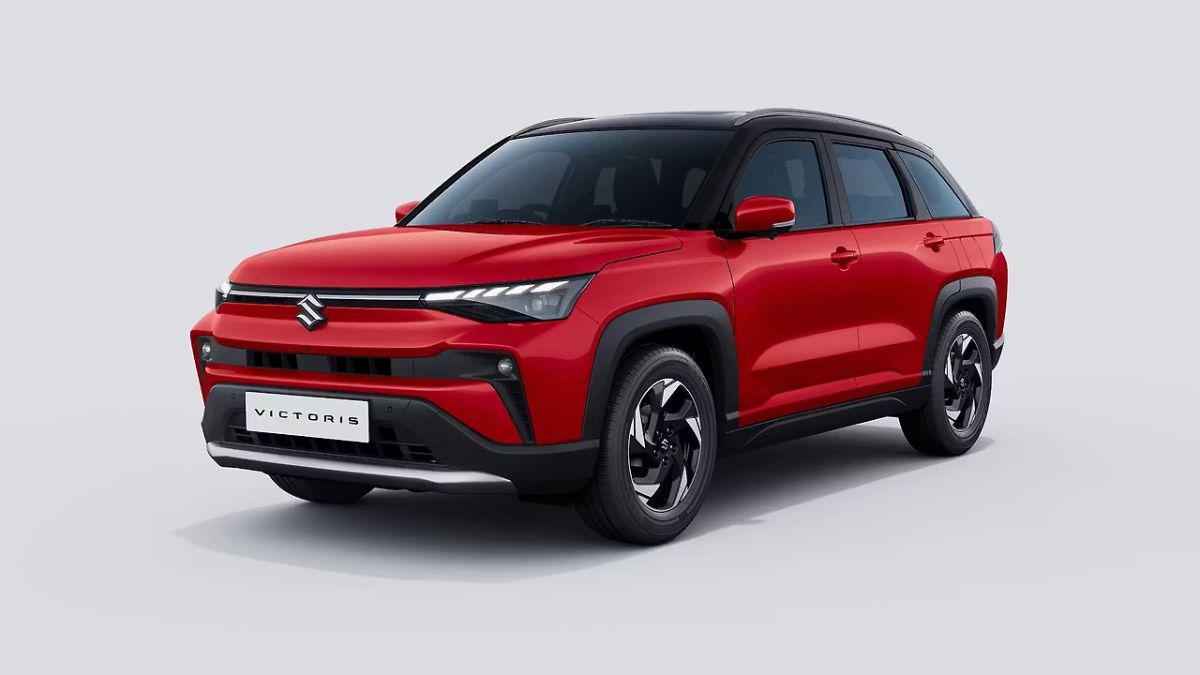
Maruti Suzuki’s mid-size SUV, the Victoris, is showing a clear shift in buyer preference toward alternative fuel options. According to company data released recently, CNG variants accounted for around 50 per cent of total Victoris bookings in June 2026, underlining the growing demand for lower running costs and cleaner mobility in the segment.
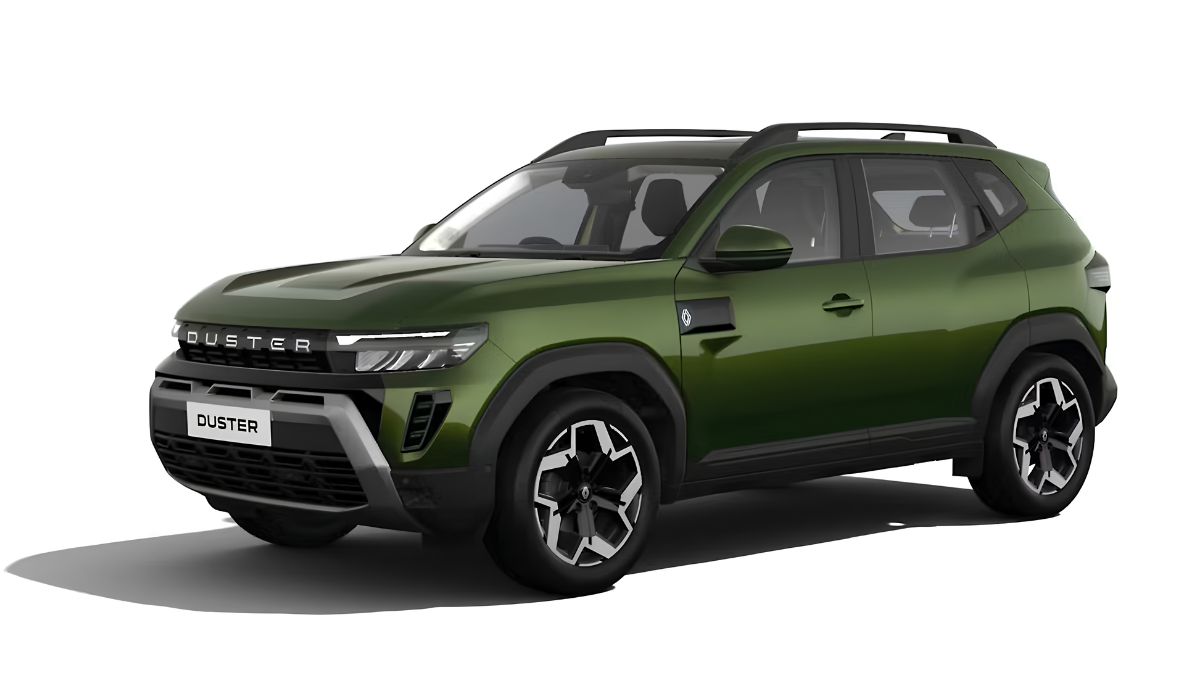
Introduced in India in September last year, the Victoris is Maruti Suzuki’s second entrant in the mid-size SUV space after the Grand Vitara. With prices starting at Rs. 10.50 lakh (ex-showroom), the model has helped the company expand its presence in a highly competitive category dominated by vehicles such as the Hyundai Creta, Kia Seltos, and Renault Duster.
Booking Trend
The high share of CNG bookings highlights changing buyer priorities, particularly amid rising fuel prices. Maruti Suzuki does not offer diesel engines in India, which has likely pushed cost-conscious customers toward CNG as an alternative to petrol.
Industry observers note that the Victoris appealing to urban and semi-urban buyers, combined with Maruti’s strong CNG brand recall, has contributed to this trend. For many customers, factory-fitted CNG offers predictable running costs without the compromises associated with aftermarket conversions.
CNG Setup
The Victoris is also notable for being Maruti Suzuki’s first CNG model in India to feature an underbody-mounted CNG tank. This design choice addresses one of the most common concerns with CNG vehicles: reduced boot space.
By relocating the tank underneath the vehicle, Maruti has preserved luggage capacity, making the Victoris more practical for family use and longer trips. The company has indicated that this underbody CNG layout will be extended to other models, with the upcoming updated Brezza expected to be next.
Powertrains
Beyond CNG, the Victoris is offered with multiple petrol-based powertrain options. These include a 1.5-litre naturally aspirated petrol engine available with mild-hybrid and strong-hybrid systems.
Customers can choose from several transmission options depending on the variant:
- Five-speed manual
- Six-speed torque converter automatic
- e-CVT for strong-hybrid versions
Maruti also offers an AllGrip trim, aimed at buyers looking for additional traction capability, though it remains a niche choice within the range.
Market Position
The Victoris follows a strategy increasingly used by manufacturers to broaden their footprint within the same segment. Similar approaches have been seen with Tata’s Sierra and Curvv pairing, and Hyundai and Kia’s Creta and Seltos combination, allowing brands to capture different buyer profiles without overlapping too closely.
With half of its bookings now coming from CNG variants, the Victoris appears to have carved out a distinct space for itself as a fuel-efficient alternative in the mid-size SUV category.
Outlook
If demand continues at this pace, Maruti Suzuki may further expand its underbody CNG technology across its lineup. For now, the Victoris’ booking mix signals that affordability and practicality remain key decision drivers for Indian SUV buyers, particularly in the absence of diesel options.
FAQs
What share of Victoris bookings came from CNG variants?
CNG variants accounted for about 50 per cent of bookings.
When was the Maruti Victoris launched in India?
It was introduced in September last year.
What is unique about the Victoris CNG setup?
It uses an underbody-mounted CNG tank.
Does Maruti offer a diesel Victoris?
No, Maruti Suzuki does not sell diesel vehicles in India.

What engines are available besides CNG?
It offers petrol, mild-hybrid, and strong-hybrid options.